How to Ensure Your Fire Alarm Meets Standards
Introduction
Ensuring the safety of buildings and their occupants is paramount, and fire alarms play a crucial role in early detection and response to fire emergencies.
Understanding Standards for Fire Alarms
Key aspects include:
System Design and Installation
Fire alarm systems must be designed and installed in accordance with the requirements outlined in SS 645:2019, the Singapore Standard for Fire Detection and Alarm Systems.Coverage
The system must provide adequate coverage for the entire building, including areas like stairwells, basements, and utility rooms.Integration with Other Systems
Fire alarms should integrate seamlessly with sprinkler systems, smoke control systems, and emergency lighting.Testing and Maintenance
Regular testing and maintenance are compulsory to ensure the system’s operational integrity.
Steps to Ensure Compliance
- Engage a Qualified Professional Engineer (PE)
Hire a certified PE experienced in fire safety to design and oversee the installation of your fire alarm system. - This guarantees reliability and compliance.
- These plans must detail the layout, system specifications, and compliance with relevant standards.
- Conduct Regular Inspections and Testing
Schedule routine inspections and testing to identify and address potential faults. These activities must be documented and conducted in compliance with SS 645:2019 requirements. - Provide Adequate Training
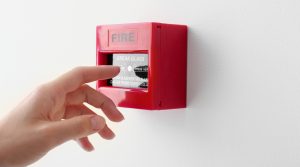
Ensure that building occupants and staff are trained to use manual call points and understand evacuation procedures. Fire safety drills should be conducted regularly to reinforce preparedness. - Work with Accredited Fire Safety Managers (FSMs)
Buildings classified under “higher fire risk” categories must appoint an FSM to oversee fire safety measures, including fire alarm system maintenance and compliance.
Common Pitfalls to Avoid
Neglecting Maintenance
Failing to perform regular system checks can result in malfunctions and non-compliance.Inadequate Documentation
Ensure all inspections, tests, and maintenance activities are properly recorded as evidence of compliance.
Penalties for Non-Compliance
Additionally, non-compliance may lead to increased risks during fire emergencies, endangering lives and property.
Conclusion
By engaging qualified professionals, adhering to approved guidelines, and maintaining rigorous testing protocols, you can ensure your fire alarm system is both compliant and effective. Always prioritize safety to protect lives and property.