

Introduction
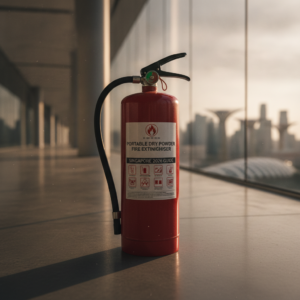
Portable fire extinguishers are a first line of defence in workplaces, homes and public buildings. In Singapore, ensuring your extinguishers are functional and replaced when necessary is not only good practice — it can be a legal and life-saving requirement. This guide explains when and where to replace portable fire extinguishers in Singapore in 2026, practical steps for replacement, cost considerations, and current trends such as digital tagging and eco-friendly disposal.
Why timely fire extinguisher replacement matters
A well-maintained and correctly replaced portable fire extinguisher ensures rapid response during a small fire and prevents escalation. Key reasons to prioritise replacement:
- Safety: An expired or faulty extinguisher may fail at a critical moment.
- Liability: In workplaces and rented properties, owners or occupiers can be held responsible if fire equipment is neglected.
- Insurance: Insurers often require maintenance records and valid equipment as part of policy conditions.
Replacing an extinguisher promptly after use or when it shows signs of wear keeps your premises protected and your documents audit-ready.
When should you replace a portable fire extinguisher?
Recognise common signs that a portable fire extinguisher needs replacement:
- It has been discharged, even partially — used extinguishers must be refilled or replaced immediately.
- Pressure gauge shows loss of pressure (needle in the red zone) or the indicator is missing.
- Visible corrosion, dents, severe paint flaking or hose/valve damage.
- Tamper seal has been broken and there is no service record following inspection.
- Manufacturer’s expiry date or recommended service life has passed.
- It fails its annual service checks or hydrostatic test, where applicable.
Guidelines and best practice:
- Many extinguishers have a recommended lifespan (commonly 10–15 years), but factors such as environment (coastal corrosion risks) and frequency of servicing can shorten that period.
Where to replace portable fire extinguishers in Singapore
Options include:
- Accredited fire extinguisher suppliers and service providers: They can assess, supply, and install replacements on-site.
- Building maintenance or Facilities Management teams: For commercial buildings, FM providers often coordinate replacements through approved vendors.
- Specialist drop-off centres: Some vendors accept old units for disposal and exchange.
Find certified suppliers and servicing options, compare quotes, and check credentials before proceeding. A useful starting point is a local supplier directory that highlights reputable providers and service options (best supplier and servicing).
The replacement process: step-by-step
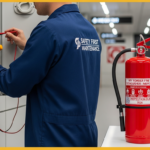
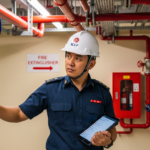
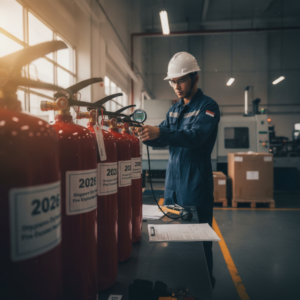
- Initial assessment: A technician inspects the extinguisher to determine whether it needs refill, repair, hydrostatic testing or full replacement.
- Recommendation and quote: The technician recommends the appropriate action (refill vs replacement) and gives a cost estimate.
- Removal and paperwork: If replacement is required, the old unit is removed and recorded. You should receive a service report or certificate.
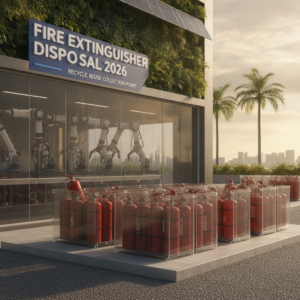
- Disposal/recycling: The contractor will arrange safe disposal or recycling of the old unit according to local regulations and environmental best practice (extinguisher disposal).
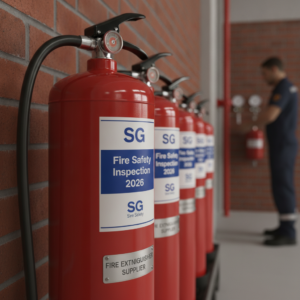
- Installation and tagging: The new portable fire extinguisher is installed at the correct location and height, and tagged with inspection dates and the service provider’s details.
- Handover documentation: Ensure you obtain an invoice, servicing certificate and updated fire safety log.
Many providers offer mobile servicing and same-day replacements to minimise downtime and keep records digitally updated.
Costs and budgeting for replacement
Replacement costs vary by type and capacity. Typical factors that influence costs:
- Extinguisher type (dry chemical, CO2, foam, water mist, etc.).
- Size and rating (1 kg, 2 kg, 3 kg, 4.5 kg, etc.).
- On-site call-out and labour.
- Whether old units need hazardous disposal or hydrostatic testing.
For ballpark figures and service-package comparisons, consult local servicing cost guides to help budget accurately and avoid surprises (servicing cost guide).
Choosing the right portable fire extinguisher for replacement
Selecting the correct extinguisher depends on the risk profile of the location:
- Class A (wood, paper, textiles) — water or foam extinguishers.
- Class B (flammable liquids) — foam, dry powder or CO2.
- Class C (flammable gases) — specialist extinguishers and often requires professional risk assessment.
- Electrical fires — CO2 or dry powder (ensure non-conductive suppression).
- Kitchen (cooking oil/fat) — Class F wet chemical extinguishers designed for deep-fat fryer fires.
Practical tips:
- For general office and retail spaces, ABC dry powder extinguishers are common because they cover multiple classes.
- For server rooms and electrical panels, CO2 units minimise residue damage.
- Match extinguisher size to the expected fire load and user capability — larger extinguishers require more effort to operate.
If unsure, have a qualified fire-safety professional perform a risk assessment and recommend the ideal mix of portable extinguishers for your premises.
Documentation and compliance
After replacement, keep the following:
- Invoices and service reports from the supplier.
- Updated inspection tags attached to each extinguisher.
- A fire safety log that records annual servicing, ad-hoc maintenance and any incidents.
Disposal and sustainability considerations
Used extinguishers contain pressurised agents and sometimes hazardous materials. Responsible disposal is essential:
- Use certified contractors who follow Singapore’s hazardous-waste handling and recycling regulations.
- Many suppliers offer exchange schemes where the old unit is collected and recycled safely (extinguisher disposal).
- Consider refillable or rechargeable models where appropriate to reduce waste.
Sustainability is a growing trend in fire safety: more companies now offer recycling, refill services and lower-impact agents to reduce the environmental footprint of fire protection.
Current trends in 2026 fire-safety management
- Digital records and QR tagging: Technicians now commonly attach QR tags to extinguishers so building managers can instantly view service history and expiry dates.
- IoT monitoring: For critical sites, sensor-enabled cabinets and weight-monitoring solutions send alerts if an extinguisher is moved or pressure drops.
- Eco-friendlier agents: Suppliers are expanding refill and disposal choices to align with green building practices.
- One-stop service providers: Integrated packages that include risk assessment, supply, installation, servicing and disposal simplify compliance and reduce administrative burden (fire alarm maintenance and dry powder options).
Practical checklist: replacing a portable extinguisher in Singapore
- Confirm the unit actually needs replacement (inspection report).
- Get a written quote that includes installation, tagging and disposal.
- Schedule replacement outside peak hours if for commercial sites.
- Ensure installation follows correct mounting height, signage and unobstructed access.
- Collect and file the servicing certificate and invoice.
- Update your fire safety log and, where applicable, building FM records.
For companies seeking reputable vendors and full-service options, consider vetted suppliers that combine supply, servicing and compliance support (best supplier and servicing).
Final notes
Replacing portable fire extinguishers on time is a straightforward but essential part of fire safety in Singapore. Be proactive: schedule annual servicing, document every inspection, and work with qualified suppliers. Doing so protects people, limits property damage, and keeps your premises compliant.

No comment yet, add your voice below!