

Why fire alarm maintenance and proper extinguisher disposal matter in Singapore
Fire safety is both a legal obligation and a commercial necessity in Singapore. Proper fire alarm maintenance ensures early detection and reliable response, while correct fire extinguisher disposal prevents environmental harm, liability and non-compliance.
The regulatory context: , codes and obligations
Building owners and duty holders must ensure that alarm systems and fire-fighting equipment are properly maintained and serviced by competent personnel. While specific intervals and record-keeping requirements can vary by system type and building classification, the common expectations are:
- Regular functional checks and scheduled servicing by trained technicians
- Clear maintenance records and up-to-date inspection checklists
- Safe removal and replacement of expired or damaged equipment
Fire alarm maintenance: what to do and how often
Routine maintenance keeps detection systems working when they are needed most. Key components of a robust fire alarm maintenance programme include:
- Monthly visual checks by facility staff: indicators, power lights, unobstructed detectors and clear signage.
- Scheduled functional tests: smoke/heat detector tests, sounder checks and alarm transmission verification.
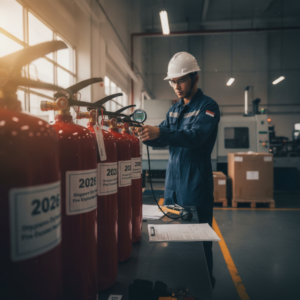
- Annual servicing by authorised technicians: a comprehensive service typically covers sensors, control panels, backup batteries, cabling and software diagnostics.
- Battery and backup checks: replace batteries per manufacturer guidance and test standby power systems regularly.
- Record-keeping and certification: maintain a service log and ensure technicians provide service reports and any remediation certificates.
Emerging trend: smart and predictive maintenance. Buildings increasingly use IoT-enabled detectors and centralised monitoring to flag faults early, schedule predictive servicing and reduce false alarms. Integrating alarms with a building management system (BMS) streamlines compliance and creates auditable logs.
Common maintenance pitfalls to avoid
- Relying only on visual checks: some detector faults are internal and require specialist testing.
- Delaying battery replacement: exhausted batteries are a common single point of failure.
- Ignoring false alarms: repeated false activations often indicate underlying wiring, sensor contamination or configuration issues.
- Skipping documentation: incomplete logs make regulatory compliance difficult during inspections.
To get accurate cost benchmarks and understand typical servicing fees in Singapore, review local servicing cost information here: fire extinguisher servicing cost Singapore. While focused on extinguishers, this resource helps contextualise maintenance budgeting across fire safety systems.
Fire extinguisher disposal: why it’s not a simple bin drop
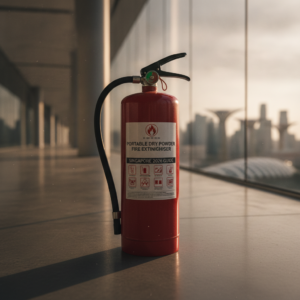
Expired or damaged fire extinguishers must be handled carefully. Portable extinguishers contain pressurised cylinders and various suppression agents (dry powder, foam, CO2, water), some of which are hazardous if released incorrectly. Improper disposal risks injury, chemical contamination and regulatory breaches.
Key reasons to follow proper disposal procedures:
- Safety: depressurisation and agent handling require trained personnel and specialised equipment.
- Environmental protection: some agents and residues are considered controlled waste and must be processed correctly.
- Legal compliance: incorrect disposal can lead to fines and liability under environmental and fire safety rules.
Step-by-step: safe extinguisher disposal in Singapore
- Identify the extinguisher type and expiry. Check labels for manufacturing dates, hydrostatic test dates and service stickers.
- Do not attempt to open high-pressure cylinders yourself. Pressurised CO2 and stored-pressure units are hazardous.
- Contact a licensed service provider or supplier for collection. Many suppliers offer take-back, exchange or replacement services that include safe disposal.
- Decontamination and depressurisation are carried out by technicians in controlled facilities.
- Residues and agent waste are handled according to hazardous waste procedures and recycled where possible.
- Obtain a disposal certificate or service report for your records.
If you need trusted replacement or disposal services, professionals provide managed programs for businesses; view options on fire extinguisher replacement services here: fire extinguisher replacement Singapore.
Disposal routes and recycling options
- Supplier take-back and replacement: many authorised suppliers accept old extinguishers when supplying new units; this is the simplest route for businesses.
- Manufacturer or servicing company disposal: certified companies depressurise, recover any recyclable metal and manage residual agent waste.
- Licensed hazardous waste collectors: for unusual agents or large quantities, engage a licensed hazardous waste handler.
For guidance on authorised suppliers and servicing options that include disposal, check a curated supplier and servicing directory here: best fire extinguisher supplier and servicing Singapore.
Servicing, replacement and budgeting considerations
Budget planning should include regular maintenance, occasional part replacements (nozzles, hoses, gauges) and eventual full replacement. Typical considerations:
- Annual servicing and inspection fees
- Unexpected repairs after activation or damage
- Replacement cycles based on manufacturer lifespan or failed hydrostatic tests
- Disposal and replacement costs bundled with supplier service contracts
To understand how servicing costs can impact your fire safety budget, compare servicing and inspection offerings and costs: fire extinguisher servicing and fire safety inspection.
Practical checklist for facilities managers
- Maintain an asset register for all detection systems and portable extinguishers.
- Schedule monthly site checks and annual professional servicing.
- Use trained, certified contractors for both servicing and disposal.
- Consider smart upgrades to alarms and maintenance logs to reduce downtime and false alarms.
For businesses reviewing costs, replacement and servicing options together, a detailed local cost and service review is helpful — see local servicing cost insights here: fire extinguisher servicing cost Singapore.
New trends shaping maintenance and disposal
- Digital logs and NFC tagging: technicians can scan tags to pull up service history, reducing paperwork and improving auditability.
- Remote monitoring and predictive analytics: IoT-enabled alarms and sensors flag early signs of failure, allowing targeted maintenance.
- Circular economy approaches: suppliers increasingly offer take-back and refurbishment programs that reduce waste and lower replacement costs.
- Stricter environmental handling: as awareness grows, more rigorous waste streams for extinguishing agents are emerging, making professional disposal even more essential.
For companies wanting structured service agreements that include disposal, service providers can offer package deals that simplify compliance and record-keeping. Explore supplier options that combine servicing and responsible disposal: best fire extinguisher supplier and servicing Singapore.
Hiring the right contractor: questions to ask
- Are technicians certified and trained for both servicing and safe disposal?
- Do they provide disposal certificates and maintain service records?
- Can they handle all extinguisher types (powder, CO2, foam) and offer replacement units?
- Do they offer emergency response for activated systems and after-incident support?
Final practical advice for Singapore organisations
Maintain a proactive schedule for fire alarm maintenance and treat fire extinguisher disposal as a regulated, specialist task. Investing in reliable servicing and compliant disposal reduces risk, protects the environment and makes regulatory inspections smoother. Partnering with reputable suppliers and servicing firms simplifies compliance: compare servicing, inspection and replacement services to find the right fit for your premises here: fire extinguisher replacement Singapore.
Taking these steps ensures your fire detection remains dependable and that retired extinguishers are handled safely, protecting staff, visitors and the environment while keeping your organisation aligned with Singapore’s fire safety expectations.

No comment yet, add your voice below!