

Introduction
Singapore’s built environment demands a high standard of fire safety. For property owners, facility managers and engineers, understanding how a robust singapore fire protection system ties into routine fire safety inspection is essential in 2026. This article breaks down what inspectors look for, common defects, compliance priorities and emerging technologies that are reshaping inspection and maintenance practice.
Why fire safety inspection matters in Singapore
Fire safety inspection is not just about ticking boxes — it preserves life, limits asset loss and ensures uninterrupted business operations. Singapore’s dense urban environment and mixed-use developments raise the stakes: an undetected or poorly maintained system can escalate quickly. Regular, documented inspections also demonstrate due diligence when dealing with regulators and insurers, and can reduce liability exposure.
Key components of a Singapore fire protection system
A comprehensive SG fire protection system typically includes:
- Fire detection and alarm systems (smoke detectors, manual call points, alarm panels)
- Automatic suppression (sprinkler systems, deluge systems where applicable)
- Fire hydrants and hose reels
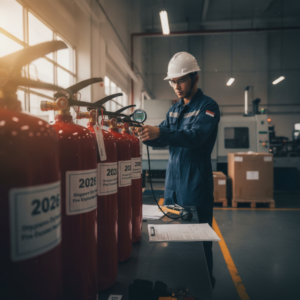
- Portable fire extinguishers and associated signage
- Fire-rated doors, compartmentation and smoke control systems
- Emergency lighting and exit signage
- Ventilation and smoke extraction systems
- Building management system (BMS) interfaces and remote monitoring
Every one of these components will be evaluated during a fire safety inspection, so owners should maintain records, service logs and as-built drawings.
What inspectors look for during a fire safety inspection
Inspectors examine three broad areas: functionality, documentation and compliance.
- Functionality: Devices and systems must operate correctly. Inspectors will test alarms, detectors, sprinklers (trip tests), pumps and hydrants. They check battery-backed systems and emergency lighting.
- Documentation: Valid maintenance certificates, service logs, inspection tags, system drawings and statutory documents must be on hand.
- Compliance and accessibility: Equipment must be accessible, unobstructed and sited per design. Fire doors should self-close and seals must be intact. Evacuation routes and signage are checked for visibility and illumination.
Common defects found in inspections and practical fixes
-
Dead or missing detectors: Replace faulty heads and ensure proper cleaning schedules to avoid nuisance alarms from dust.
-
Low-pressure or failed sprinkler systems: Confirm pump runs on automatic test and maintain adequate water supply and valves.
-
Expired or poorly maintained portable extinguishers: Portable extinguisher servicing and correct placement matter — learn where to replace portable fire extinguishers in Singapore.
-
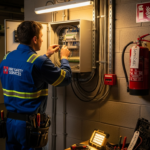
Non-functioning alarms and faulty wiring: Use certified electricians and ensure alarm systems are tested after any maintenance.
-
Blocked hydrants or access paths: Regular housekeeping checks and clear labeling help keep hydrants ready.
-
Incomplete documentation: Keep logs up to date, store certificates centrally and produce records on request.
Addressing these defects quickly reduces risk and avoids enforcement action from regulators.
Inspection frequency and maintenance best practices
While specific intervals may be prescribed for certain equipment, best practice includes:
- Monthly visual checks of extinguishers, signage and exit routes
- Quarterly or semi-annual functional tests of alarms and detectors (as appropriate)
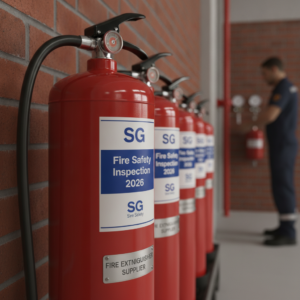
- Annual servicing for portable fire extinguishers and full system maintenance visits
- Pump and sprinkler tests per manufacturer and statutory guidelines
For clarity on servicing cycles and the cost implications of maintenance, see guidance on fire extinguisher servicing cost.
Also prioritise a centralised record system for maintenance certificates and inspection logs to speed up audits and inspections.
Recordkeeping, certification and compliance
Good documentation is essential. Keep the following readily available:
- Service and test reports for alarms, sprinklers and pumps
- Manufacturer manuals and warranty documents
- Certificates issued by licensed contractors
- Incident reports and corrective actions taken
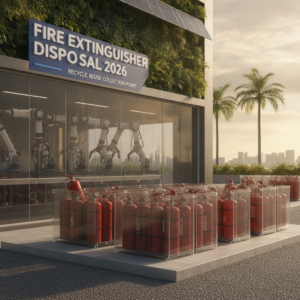
For contractors experienced in both alarm upkeep and extinguisher care, review resources on fire alarm maintenance and extinguisher disposal.
Emerging trends shaping inspections in 2026
-
Smart, connected devices: IoT-enabled detectors and alarm panels now provide real-time status, predictive alerts and remote diagnostics. These reduce false alarms and enable faster response to faults.
-
Predictive maintenance and analytics: Data from sensors and service logs is increasingly used to predict failures and optimise service intervals, lowering downtime and cost.
-
Cloud-based compliance platforms: Centralised dashboards consolidate certificates, inspection schedules and asset registers for easier statutory reporting.
-
Integration with building systems: Fire protection systems increasingly integrate with BMS, access control and CCTV for coordinated response and clearer incident evidence.
-
Remote and hybrid inspections: Regulators and auditors are incorporating remote verification techniques where appropriate, supplemented by in-person tests for critical systems.
Adoption of these trends should be balanced with robust cybersecurity and verified by accredited technicians to ensure regulatory acceptance.
Preparing your site for an inspection — a practical checklist
- Verify that portable extinguishers are inspected, tagged and unobstructed. If placement or replacement is needed, consult the guidance on portable fire extinguishers.
- Confirm alarm panels have current logs and backup power is functional.
- Test emergency lighting and exit signage for illumination and battery health.
- Inspect fire doors and seals; ensure self-closing mechanisms work.
- Check hydrant valves, hose reels and sprinkler control valves are accessible and labeled.
- Compile maintenance certificates and prepare a digital copy for immediate reference.
- Run a brief staff evacuation drill to validate routes and staff familiarity.
A neat, well-documented site reduces inspection time and shows proactive management.
Choosing contractors and verifying qualifications
Always use licensed, accredited fire protection contractors. Verify:
- Credentials and licences related to the type of system you operate
- Track record with similar buildings and systems
- Transparent reporting and digital record delivery
- Clear pricing and defined scope for routine checks vs remedial work
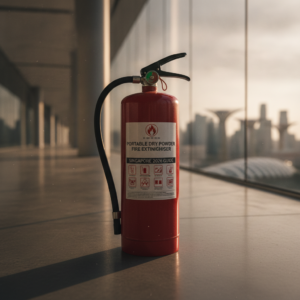
For contractors experienced in fire alarm servicing and extinguisher maintenance, review resources on fire alarm maintenance and dry powder fire extinguisher.
Budgeting and lifecycle planning
Protecting assets means budgeting for routine inspection, periodic replacement and unexpected repairs. Consider:
- Annual maintenance and service contracts for inspection coverage
- Replacement schedules for detectors, batteries and extinguishers
- Capital planning for upgrades (e.g., smart panels, sprinkler head replacements)
- Insurance implications — well-documented systems often attract better terms
Understanding the total cost of ownership for your SG fire protection system makes compliance manageable and predictable.
Conclusion
In 2026, an effective singapore fire protection system is an integrated mix of well-maintained hardware, accurate documentation and smart monitoring. Regular fire safety inspection is the glue that keeps these elements working together — reducing risk, limiting disruption and ensuring compliance. Prioritise certified contractors, maintain accurate logs and embrace data-driven maintenance where it makes sense. Proactive inspection and upkeep protect people and property while delivering long-term savings and regulatory confidence.


No comment yet, add your voice below!