

Introduction
Fire extinguisher replacement is a practical and legal necessity for homes, businesses and public premises in Singapore. This article explains when and why to replace extinguishers, how to pick a reputable Singapore fire safety company, cost considerations, and a clear replacement checklist for 2026.
Why fire extinguisher replacement matters
Fire extinguishers are mechanical safety devices with consumable or degradable parts. Over time pressure can drop, seals deteriorate, gauges fail, and extinguishing agents settle or lose potency. Using an old or damaged extinguisher can be ineffective or even dangerous.
Key reasons to replace an extinguisher:
- Loss of holding pressure or persistent gauge faults.
- Corrosion of cylinders, damaged hoses, or broken safety pins.
- Past the manufacturer’s recommended service life or hydrostatic test cycle.
- After discharge or partial use—many portable units must be refilled or replaced.
- Non-compliance with mandatory servicing and certification by licensed technicians.
Replacing extinguishers proactively reduces liability and ensures your emergency response tools function when needed.
Singapore regulatory context and compliance
Landlords, employers and building managers are responsible for ensuring extinguishers are present, correctly located, regularly inspected, and maintained by licensed personnel.
Common expectations:
- Regular visual checks and logging of inspections (monthly or as required).
- Annual servicing by qualified technicians and periodic full testing as specified by manufacturers and standards.
- Replacement or hydrostatic testing at intervals recommended by the manufacturer and tested by certified technicians.
How to tell an extinguisher needs replacement
Look for any of the following signs that indicate replacement is necessary:
- Gauge reads in the low or empty range, despite recent service.
- Visible corrosion, dents, deep scratches or a compromised cylinder.
- Expired inspection tags, missing service records, or a lack of test/hydrostatic dates.
- Hoses, nozzles or seals are cracked, brittle or deformed.
- The unit was used and not professionally refilled or recharged.
When in doubt, engage a certified Singapore fire safety company for a formal assessment.
Selecting the right extinguisher type for replacement
Choosing the correct extinguisher depends on the fire risks present: electrical, flammable liquids, cooking oils, or ordinary combustibles. Common types include water, foam, CO2, dry chemical (dry powder), and wet chemical units.
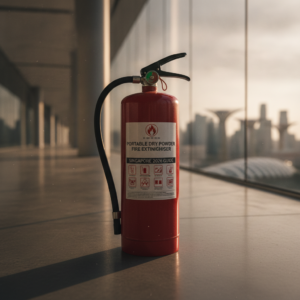
Dry powder extinguishers are widely used in mixed-risk commercial settings. For a focused review of dry powder properties and suitability, refer to the detailed guide on dry powder fire extinguisher facts.
Choosing a Singapore fire safety company for replacement
Not all suppliers or contractors are equal. When replacing extinguishers, choose a licensed Singapore fire safety company with transparent processes, certification, and after-sales documentation.
Checklist when vetting a provider:
- Licensing and certified technicians with documented training.
- Clear pricing: unit replacement, recharging, hydrostatic testing and disposal fees.
- Service reports and compliance certificates furnished after work.
- Warranty on new units and guarantees for installation workmanship.
- Local reputation, references and responsiveness for emergency call-outs.
A reliable partner can also provide value-added services: risk assessments, tailored recommendations for extinguisher locations, and full maintenance schedules. Find details and options from trusted suppliers and servicing firms at this link: trusted supplier and servicing.
The replacement process — step by step
- Risk assessment: Identify fire hazards and the appropriate extinguisher types and sizes for each zone.
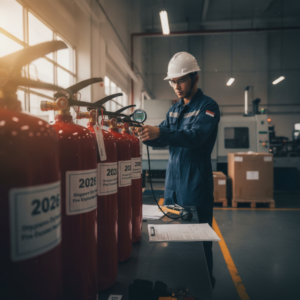
- Inspection and record review: Confirm last service dates, hydrostatic tests and gauge status.
- Decide: repair/ recharge vs replace — based on damage, age and cost-effectiveness.
- Installation: Position units in visible, accessible locations with clear signage and wall brackets.
- Documentation: Obtain service reports, compliant tags, and update site logs.
- Training: Provide basic user training and run brief drills if applicable.
Following an organized workflow ensures regulatory compliance and operational readiness.
Maintenance, disposal and environmental considerations
Extinguisher maintenance extends useful life, but when replacement is required, disposal must be handled responsibly. Extinguisher cylinders and chemical agents are not typical household waste.
Professional maintenance and disposal services will:
- Safely discharge and recover agents when required.
- Carry out hydrostatic tests or certify cylinders for disposal.
- Remove, recycle or crush cylinders according to hazardous-waste rules.
- Issue disposal certificates for compliance records.
For guidance on proper servicing, maintenance and safe disposal procedures, consult this resource: maintenance and disposal.
Costs and budgeting for 2026
Budgeting for extinguisher replacement depends on size, type and capacity. Typical factors:
- Small portable units (1–3 kg) — entry-level models vs high-spec brands.
- Medium units for commercial spaces — rechargeable models and installation costs.
- Specialized units (CO2, wet chemical) — higher unit cost and more complex servicing.
- Hydrostatic testing and certification fees.
- Disposal and removal charges for decommissioned cylinders.
Approximate ranges (indicative only): a basic small portable extinguisher can cost from modest prices up to several hundred SGD for higher-capacity or specialized units. Annual servicing and certification will be additional. Ask suppliers for a detailed quote and total cost of ownership including service contracts.
Best practices for building managers and business owners
- Maintain a fire safety register with extinguisher locations, last service dates and next due dates.
- Schedule annual servicing and monthly visual checks; use tags and digital logs where possible.
- Replace immediately after any discharge — even partial — and never rely on a partially used unit.
- Keep spare units on-site where risk is high or where occupant density is large.
- Train staff on correct extinguisher selection and operation, and display simple usage instructions.
Implementing these practices reduces downtime, improves compliance and demonstrates due diligence.
Quick decision checklist for replacement
- Is the gauge in the green and has the unit been serviced within the last year? If no, arrange service.
- Is there visible damage, corrosion or an expired tag? If yes, replace.
- Was the extinguisher used even partially? Replace or recharge through a licensed provider.
- Is the model older than the manufacturer’s recommended life or lacking hydrostatic test dates? Consult a certified technician.
- Are extinguisher types appropriate for current hazards? Upgrade where necessary.
Conclusion
Fire extinguisher replacement in Singapore is both a practical safety step and part of regulatory responsibility. By recognizing wear signals, understanding the right types for your risk profile, and engaging a reputable Singapore fire safety company for assessment and replacement, you protect people, property and regulatory standing. Keep clear records, plan budgets for periodic replacement and partner with licensed technicians to ensure extinguishers remain dependable assets in your fire safety strategy.
For further details on specific extinguisher types, compliance and certified servicing options, explore the linked resources above to make informed replacement decisions for 2026.

No comment yet, add your voice below!