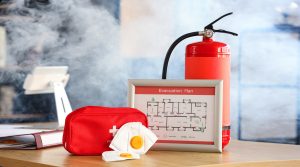
Understanding Fire Safety Regulations for Landlords in Singapore
Introduction
Fire safety is a fundamental responsibility for landlords in Singapore. Ensuring compliance with regulations not only protects tenants and properties but also prevents legal liabilities and financial penalties. This article explores the key fire safety regulations landlords must adhere to and provides guidance on maintaining a safe rental property.
1. Fire Safety Act and Regulatory Compliance
Landlords must ensure that their properties comply with this act, which includes provisions for fire prevention, emergency response measures, and the maintenance of fire protection systems. Failure to comply may result in fines, legal action, or even imprisonment in severe cases.
Key Compliance Requirements:
Obtain a Fire Safety Certificate (FSC) or Temporary Fire Permit (TFP) for buildings requiring approval.
Adhere to the Fire Code, which sets out technical requirements for fire protection measures.
Conduct regular fire risk assessments and implement necessary safety measures.
Maintain clear evacuation routes and fire exits.
2. Fire Protection Systems and Maintenance
A well-maintained fire protection system is crucial for minimizing risks.
Required Fire Safety Equipment:
Fire Extinguishers: Must be placed in accessible locations and checked regularly.
Smoke Detectors: Required in all residential and commercial rental properties.
Fire Alarms and Sprinklers: Necessary for buildings that fall under specified regulations.
Emergency Lighting: Ensures visibility in case of power failure during an evacuation.
Exit Signs: Clearly marked and illuminated to guide occupants to safety.
Landlords must engage certified fire safety contractors for the installation, servicing, and inspection of these systems.
3. Fire Safety Inspections and Enforcement
Landlords should proactively schedule regular checks and rectify any identified issues promptly.
Inspection Checklist:
Verify that fire exits are unobstructed and properly marked.
Check that fire extinguishers are functional and within the expiry date.
Ensure that smoke detectors and alarm systems are operational.
Maintain up-to-date records of fire safety maintenance and inspections.
Non-compliance can lead to penalties, including fines and the revocation of business licenses for rental properties.
4. Landlord Responsibilities in Fire Safety
As a landlord, it is imperative to educate tenants on fire safety and establish clear protocols for emergencies.
Tenant Fire Safety Guidelines:
Provide tenants with information on fire escape routes and assembly points.
Install clear signage and fire safety notices in common areas.
Encourage tenants to avoid fire hazards, such as overloading electrical outlets and improper use of flammable materials.
Conduct periodic fire drills, especially in larger residential or commercial buildings.
Additionally, landlords should include fire safety clauses in rental agreements, specifying tenant responsibilities in maintaining a fire-safe environment.
5. Applying for Fire Safety Approvals
Steps to Obtain Fire Safety Approval:
Implement Fire Safety Measures: Install necessary fire protection systems per the approved plans.
Apply for Fire Safety Certificate (FSC): Required before tenants can occupy the property.
Ensuring all approvals are in place prevents legal complications and enhances tenant safety.
Conclusion
Fire safety regulations in Singapore are designed to protect lives and properties. By proactively maintaining fire protection systems, conducting regular inspections, and educating tenants, landlords can create a safe living and working environment while avoiding legal penalties. Staying compliant with fire safety standards not only enhances property value but also fosters trust with tenants and authorities.