

Introduction
Singapore’s urban density and tropical climate make robust fire protection essential. In 2025, expectations for fire safety inspection and singapore fire protection system performance continue to rise as regulators, building owners, and facilities teams balance compliance, resilience, and technology. This article walks building managers, facility professionals, and property owners through what matters now: updated inspection expectations, the core systems to focus on, practical checklists, and the new tech trends shaping preventative maintenance.
Why 2025 matters for fire safety inspection in Singapore
Regulatory frameworks and standards evolve to reflect lessons from incidents, advancing technologies, and changes in building usage. Non-compliance can lead to fines, stop-work orders, or even criminal liability for responsible persons. For those managing commercial complexes, multi-tenant developments, or industrial facilities, a proactive approach to fire safety inspection reduces risk and demonstrates due diligence to tenants and insurers.
Key components of a singapore fire protection system
A complete singapore fire protection system is multi-layered. Inspections should cover the whole system, not only individual parts.
- Fire Alarm and Detection: Smoke detectors, heat detectors, manual call points, and the fire alarm control panel. Regular sensitivity testing and functional checks are essential. For guidance on alarm upkeep, review the fire alarm maintenance and safety inspection resource.
- Fire Suppression Systems: Sprinklers (wet/dry), deluge systems, and gaseous suppression in sensitive spaces (e.g., FM-200, inert gas). Ensure hydraulic calculations and water supplies meet design criteria.
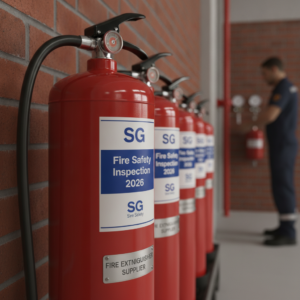
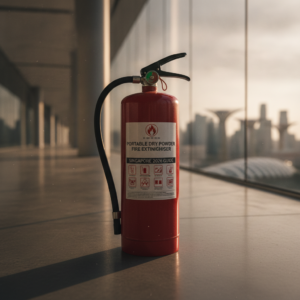
- Portable Fire Extinguishers: Correct type and placement, pressure checks, and service tags.
- Fire Hydrant and Riser Systems: Visual inspection, water flow tests, and hydrant nozzle caps and threads.
- Emergency Lighting and Signage: Exit illumination and photometric testing for escape route visibility.
- Passive Fire Protection: Doors, compartmentation, firestopping, and smoke extraction paths.
For best practices on extinguisher servicing and replacement workflows, consider fast fire extinguisher servicing and replacement options.
Inspection frequency and maintenance schedules
Typical schedules include:
- Fire alarm system: monthly visual checks by in-house staff; annual comprehensive testing by a qualified contractor.
- Sprinkler systems: weekly/biweekly valve inspections; quarterly and annual flow and hydraulic tests depending on system type.
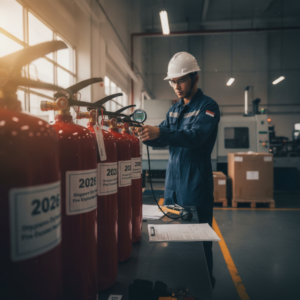
- Portable extinguishers: monthly visual inspections; annual maintenance and 5- to 10-year overhaul depending on type.
- Fire hydrant systems: biannual flow tests and condition checks.
Document every inspection and remedial action. For specific servicing tips for dry powder extinguishers, review the Singapore dry powder fire extinguisher servicing tips.
What inspectors look for during a fire safety inspection
- Certification and maintenance records for each system.
- Functional tests of alarms, detectors, and suppression actuators.
- Availability and accessibility of firefighting equipment.
- Means of escape: clear routes, functioning emergency lighting, and exit signage.
- Passive fire measures: door closures, compartmentation integrity, and penetrations.
- Housekeeping and fire load management in storage and plant areas.
Common failings include blocked hydrant cabinets, outdated or missing service tags on extinguishers, and alarm zones with frequent faults due to poor wiring or environmental contamination.
Technology trends improving inspections and system reliability
2025 sees increased adoption of digital and smart technologies that make fire safety inspection more effective:
- IoT Sensors and Remote Monitoring: Networked detectors and pressure sensors report real-time status, reducing reliance on infrequent manual checks.
- Predictive Maintenance and Analytics: Using historical alarms and sensor data, AI models predict likely failures, enabling proactive servicing.
- Mobile Inspection Apps: Digital checklists, photo evidence, and automated compliance reports speed audits and reduce paperwork.
Adopting tech does not remove the need for regular physical checks, but it boosts responsiveness and reduces downtime.
Practical checklist for building managers (concise)
- Ensure all alarms and detectors are free of dust and tested monthly.
- Confirm sprinkler valve positions and pressure are within tolerance; test flows as scheduled.
- Check all portable extinguishers for service tags, correct types, and unobstructed access. See the portable extinguisher guide for placement and labeling details.
- Inspect hydrant cabinets and nozzles for damage and corrosion.
- Validate emergency lighting operation and replace failing units promptly.
- Review contractor maintenance logs and ensure licensed technicians conduct major work.
- Keep fire doors and compartmentation unobstructed and intact.
For streamlined extinguisher replacement or urgent servicing, fast fire extinguisher servicing can be engaged to meet tight timelines.
Special considerations: high-rise, industrial and heritage buildings
- High-rise: Water supplies, booster pumps, and pressure zones are critical. Pump tests must confirm delivery to upper floors under design head.
- Industrial: Combustible storage, process heat, and chemical hazards require tailored suppression strategies and more frequent inspections.
- Heritage: Preserving fabric while meeting modern safety standards may require non-invasive suppression (e.g., gaseous systems) and carefully documented retrofits.
Engage fire protection engineers for complex sites to align safety with preservation and operational requirements.
Common deficiencies and how to fix them
- Missing or inconsistent records: Implement a cloud logbook and mobile inspection app to maintain a single source of truth.
- Poor maintenance turnaround: Use scheduled service contracts with defined SLA response times.
- Incorrect extinguisher types: Conduct a fire risk assessment and replace mismatched units; consult the dry powder servicing tips for specifics on powder units.
- Alarm system nuisance trips: Review zoning design and address environmental causes such as dust, steam, or drafts.
Resolving recurring issues often requires a root-cause approach rather than repeated repairs.
Preparing for an inspection: step-by-step
- Assemble documentation: permits, testing certificates, and maintenance logs for all systems.
- Perform a pre-inspection walkthrough using a digital checklist and capture photos of each critical item.
- Prioritize urgent defects: extinguishers without tags, non-functioning exit lights, or blocked escape routes.
- Ensure responsible persons and contractors are available during the inspection to clarify technical points.
- After inspection, address any notices promptly and upload corrective action evidence to the facility logbook.
Insurance, costs, and business continuity
Proactive fire safety inspection reduces total cost of risk. Insurers may offer premium reductions for demonstrable maintenance programmes and real-time monitoring. Conversely, incidents caused by neglected systems can lead to substantial operational downtime and reputational damage. Include fire safety in business continuity planning: rapid suppression, effective evacuation, and clear recovery procedures matter as much as hardware.
Choosing the right contractor and equipment
Evaluate vendors on response time, spare parts availability, and digital reporting capabilities. For extinguisher servicing and replacement, confirm certification and warranty terms; fast response options are valuable for high-occupancy facilities.
Conclusion
In 2025, an effective fire safety inspection program in Singapore combines rigorous compliance with modern maintenance practices and targeted adoption of digital tools. Prioritise complete system coverage — alarms, suppression, hydrants, extinguishers, passive protection, and escape systems — and maintain clear, tamper-proof records.


No comment yet, add your voice below!