

Why passing a fire safety inspection matters in Singapore
Fire safety inspections are not just a legal box to tick in Singapore — they protect lives, property and business continuity. Preparing proactively makes inspections smoother, reduces risk and shows stakeholders that you take safety seriously.
This guide gives clear, actionable steps to ensure your fire extinguisher assets pass a fire safety inspection in Singapore, from visual checks and documentation to new digital trends that speed compliance.
Know the basics: what inspectors look for
Inspectors will assess whether firefighting equipment is appropriate, accessible, installed correctly and maintained. For fire extinguisher checks, the focus is typically on:
- Presence of the correct type and number of extinguishers for the hazard.
- Visible, unobstructed placement and clear signage.
- Pressure gauge reading in the green (or intact internal indicators for non-gauged units).
- Intact safety seals and tamper indicators.
- No visible corrosion, dents, leaks, or damaged hoses/nozzles.
- Legible labels and operating instructions.
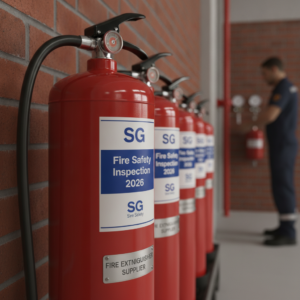
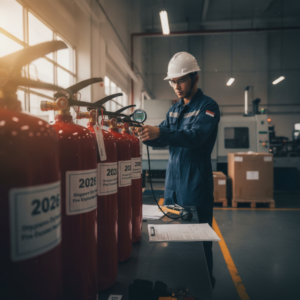
- Current service tag and maintenance records performed by qualified personnel.
Meeting these basics will resolve most common non-compliances.
Pre-inspection checklist: quick actions that boost pass rates
Follow this practical checklist in the days or weeks before an inspection:
- Conduct a walk-through to confirm all extinguishers are visible and unobstructed.
- Check pressure gauges and seals; replace or service units showing issues.
- Verify mounting brackets and signage are secure and correctly placed.
- Confirm types match risk areas (e.g., water, foam, dry powder, CO2, wet chemical).
- Review maintenance tags to ensure annual servicing is current and recorded.
- Collate documentation: service reports, installation certificates and previous inspection records.
- Train or brief on-site staff on basic operating procedures and extinguisher locations.
If you need professional servicing or repairs, work with an established provider; many also offer pre-inspection audits and advice on compliance. For scheduled servicing and alarm integration, consider comprehensive packages that cover both extinguisher and alarm needs like those offered by certified vendors such as fire extinguisher maintenance.
Common reasons extinguishers fail inspections — and how to fix them
Understanding common failure points lets you prioritize repairs:
- Obstructed or removed units: Reposition extinguishers to accessible locations and clear obstructions.
- Incorrect extinguisher type for the hazard: Replace or supplement units with the correct class; consult a qualified supplier.
- Low or over-pressurised units: Service or recharge by a licensed technician.
- Missing or illegible labels: Replace with clear, compliant labels and operating instructions.
- Corrosion, dents or mechanical damage: Replace units showing structural compromise.
- Missing maintenance or service tags: Schedule immediate servicing and ensure records are filed.
Engaging a reputable fire extinguisher supplier makes replacements and upgrades straightforward while ensuring compatibility with local standards.
Documentation and recordkeeping: the paperwork that matters
Accurate documentation is often the determining factor during an inspection. Keep the following up to date and easily accessible:
- Installation certificates and manufacturer’s specification sheets.
- Monthly visual check logs and who performed them.
- Annual service reports and tags from accredited technicians.
- Records of hydrostatic testing or replacement where applicable.
- Any corrective action reports following faults or incidents.
Digitalising records reduces human error and helps demonstrate compliance instantly during inspections. Many companies now use QR-coded tags on extinguishers that link to maintenance histories.
Training and staff readiness
An inspector may ask occupants about basic firefighting readiness. Ensure staff know:
- Locations of nearest extinguishers and their types.
- Basic operation steps: pull pin, aim at base, squeeze and sweep.
- How to raise an alarm and evacuate safely.
Regular, short refresher sessions are more effective than infrequent, lengthy training. Consider tabletop drills and visible signage to reinforce awareness.
When to repair, when to replace
Not every defect requires a new unit. Repair or replace based on severity and serviceability:
- Minor issues like a missing label or tamper seal can often be fixed on-site.
- Pressure, valve or hose faults typically need professional servicing.
- Structural damage, severe corrosion, or failed hydrostatic tests require replacement.
For guidance on end-of-life and replacement options, consult portable replacement resources such as portable fire extinguisher replacement.
Emerging trends: digital tools and smarter maintenance
Staying current with technology can make passing inspections easier and reduce operational costs:
- IoT sensors: Devices that monitor pressure or tilt and send alerts when a unit needs attention reduce unexpected failures.
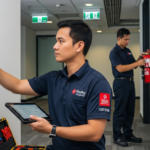
- Digital inspection apps: Inspectors and in-house teams can complete standardised checklists on mobile devices, attach photos and upload service reports instantly.
- QR code tagging: Quick access to maintenance history during inspections improves transparency.
- Environmentally friendlier agents: Some organisations are switching to more sustainable extinguishing agents as part of sustainability programmes.
These innovations are increasingly common in Singapore workplaces and can be a differentiator for large facilities.
Specific considerations for extinguisher types in Singapore
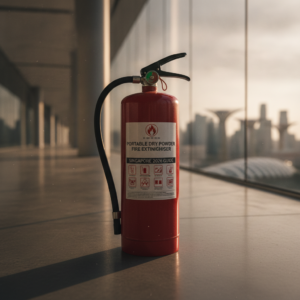
Selecting the right type matters for both safety and compliance. Common classes include dry powder, CO2, foam and wet chemical. Dry powder units are widely used for mixed hazards, but they have limitations in enclosed spaces and can lead to clean-up challenges after discharge. For facility-specific advice, consult detailed guides on dry powder units.
Choosing a competent service provider
A reliable maintenance partner should provide:
- Accredited technicians with local experience.
- Clear, timely service records and tagging.
- Options for pre-inspection audits and rapid response repairs.
Before signing a contract, ask for references, proof of accreditation and a sample maintenance report. Bundled services that combine extinguisher servicing with alarm maintenance can simplify compliance — see providers that offer integrated packages at fire extinguisher maintenance.
Final pre-inspection checklist (quick reference)
- All extinguishers visible, unobstructed and correctly mounted.
- Gauges in green range or indicator intact; no leaks or damage.
- Correct extinguisher type for each hazard zone.
- Intact tamper seals and legible labels with operating instructions.
- Current service tags and complete maintenance records available.
- Staff briefed on locations and basic operation.
- Any defective units repaired or replaced and documented.
Closing: practical next steps to secure compliance
Regular, documented maintenance combined with simple on-site checks will dramatically increase your chance of passing a fire safety inspection for extinguishers in Singapore. Use digital tools and qualified service partners to streamline records and minimise downtime. Proactive preparation not only satisfies inspectors but also strengthens the safety of everyone who works or visits your premises.
Keep inspection readiness front of mind by scheduling routine checks, updating records immediately after servicing, and partnering with accredited suppliers and technicians for repairs and replacements.

No comment yet, add your voice below!