

Why 2026 matters for fire extinguisher compliance
Singapore’s fire safety landscape is continually evolving. For building owners, facilities managers and business operators, 2026 is a pivotal year to re-check portable extinguisher programmes—particularly for dry powder units that are widespread across commercial kitchens, workshops and vehicle depots.
Understanding dry powder fire extinguishers and where they fit
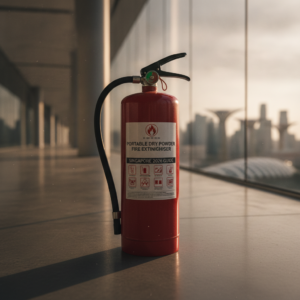
A dry powder fire extinguisher is a versatile, multi-class agent commonly used to tackle A (solid combustibles), B (flammable liquids) and C (flammable gas/electrical) fires depending on the powder formula. Because of their broad coverage and high knock-down capability, they are a popular choice in industrial and commercial settings.
Key benefits of dry powder fire extinguishers:
- Wide class coverage and rapid flame suppression
- Effective on fires involving flammable liquids and gases
- Robust performance in outdoor or ventilated areas
Limitations to consider:
- Powder residue can damage sensitive equipment and requires specialised clean-up
- Not ideal for confined indoor spaces with people present (clean agents may be preferred)
- Visibility and inhalation concerns if used in occupied enclosed environments
When selecting a unit, match the extinguisher type and size to the hazard.
related compliance priorities for 2026
For 2026, focus on these priority areas:
- Correct extinguisher type and rating for identified risks
- Proper placement, signage and accessibility
- Documented inspection and maintenance records
- Use of authorised suppliers and certified servicing contractors
- Safe disposal and replacement of expired or failed units
For a step-by-step maintenance and disposal overview, see this detailed resource on fire extinguisher maintenance and disposal.
Monthly and routine visual checks: what to look for
Routine visual checks are your first line of defence for compliance. These checks can be performed by the occupier or a trained staff member:
- Ensure the extinguisher is visible and unobstructed
- Confirm the pressure gauge (if fitted) is within the green zone
- Check the tamper seal and pin are intact
- Look for signs of corrosion, dents or external damage
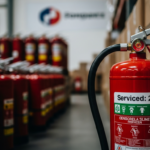
- Verify the inspection tag is present and up to date
Keep a simple log of monthly checks. This record demonstrates due diligence and helps you spot signs of ageing or misuse early.
Annual servicing and the role of licensed technicians
Annual servicing by a competent, authorised contractor is strongly recommended and widely accepted as good practice. Servicing typically includes:
- Full inspection and functional checks
- Internal condition assessment where applicable
- Recharging of extinguishers after use or upon loss of pressure
- Replacement of worn parts (nozzles, hoses, pressure indicators)
- Updating service tags and logging maintenance details
Periodic pressure testing and life-cycle management
Portable extinguishers, including dry powder models, have a finite service life. In addition to annual servicing, many extinguishers require periodic internal checks or pressure (hydrostatic) testing to confirm cylinder integrity. The interval and type of tests depend on the extinguisher design and manufacturer guidance. Typical practices include:
- Manufacturer and supplier guidance should determine testing intervals
- Hydrostatic testing intervals vary by model and local accepted practice (check product documentation)
- Replace units that fail pressure tests or show severe corrosion or mechanical damage
Maintaining a life-cycle register for each extinguisher (purchase date, service dates, test dates, disposal/replacement) is a simple compliance tool that helps you plan replacements before an extinguisher becomes unserviceable.
Safe disposal and replacement: environmental and regulatory considerations
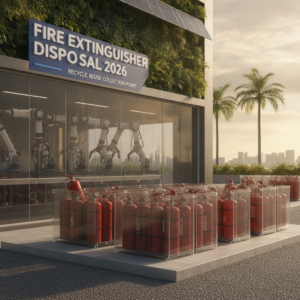
When an extinguisher reaches the end of its life or fails a test, safe disposal is essential. Powder from dry powder extinguishers can contaminate equipment and should be recovered by trained contractors. For disposal guidance and approved disposal points in Singapore, read practical instructions at where to dispose and replace fire extinguishers.
Good disposal practice includes:
- Using certified contractors for decommissioning and cleaning
- Following waste handling rules for powder residues and packing materials
- Retaining disposal records for regulatory auditing
Choosing the right dry powder fire extinguisher for your premises
Selection is not just about agent type — it’s about matching extinguisher capacity, rating and operational ergonomics to the hazard and user profile. Consider:
- Extinguisher rating (e.g., 4A, 20B) appropriate for the expected fire load
- Capacity and expected discharge time for effective firefighting
- Ease of operation and clear instructions for non-expert users
- Corrosion-resistant construction for humid or coastal locations
A reputable supplier can help you choose the right models and provide certification and warranties. For a helpful technical overview, see the Singapore dry powder fire extinguisher guide.
Integrating extinguishers into an overall fire safety plan
Extinguishers are one element of a layered fire safety approach. For robust compliance in 2026, integrate them with:
- Fire detection and alarm systems
- Emergency evacuation planning and drills
- Staff training on extinguisher use and fire response
- Clear signage and unobstructed egress routes
Practical training reduces misuse and increases the chance of safe, effective response in the early moments of a fire.
Common compliance mistakes and how to avoid them
- Treating all extinguishers the same: Not all units suit all hazards. Match agent and rating to risk.
- Skipping documentation: Missing maintenance logs make it difficult to prove compliance during inspections.
- DIY servicing: Attempting internal checks or recharges without the right tools or certifications risks failures and liability.
- Ignoring expiry or test dates: Delaying hydrostatic testing or ignoring failed pressure checks can render extinguishers ineffective.
- Poor placement: Extinguishers must be accessible, properly mounted and signed so they can be used reliably in an emergency.
Avoid these pitfalls by adopting straightforward processes, training staff and working with authorised suppliers.
Quick compliance checklist for dry powder extinguishers (2026)
- Inventory all extinguishers and record model, capacity, location and purchase date
- Ensure each unit is appropriate for the local hazard type
- Perform and log monthly visual inspections
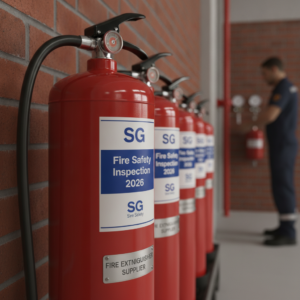
- Schedule annual servicing with a certified contractor
- Plan and budget for periodic pressure testing and replacements
- Train staff in safe use and post-use reporting
- Arrange for certified disposal and replacement for end-of-life units
Final notes: practical next steps for 2026
Start by auditing your existing extinguisher estate, closing documentation gaps, and engaging a trusted supplier for servicing and training.
If you need a reliable reference that covers selection, servicing and disposal in detail, the fire extinguisher maintenance and disposal guide is a practical resource tailored for Singapore conditions.
Conclude your 2026 preparedness by implementing a clear extinguisher programme: documented checks, scheduled servicing, staff training and a trusted supplier partnership will keep you compliant and ready for inspection.


No comment yet, add your voice below!