

Introduction
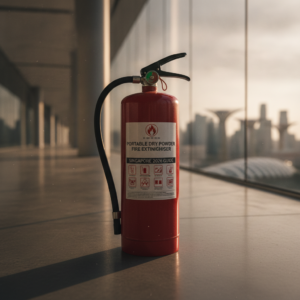
In Singapore, workplace and home safety increasingly rely on quick, informed decisions about fire protection. A fire extinguisher is often the first line of defense against small outbreaks — and the dry powder fire extinguisher remains one of the most versatile options available in 2026. This guide covers what Singapore businesses and residents need to know: how dry powder extinguishers work, regulatory and servicing updates for 2026, best practices for selection, safe use, and disposal.
Why dry powder fire extinguishers matter in Singapore 2026
Dry powder fire extinguishers are popular because they tackle several classes of fire (A, B and C in many classifications) and are effective on electrical fires when rated appropriately. In Singapore’s dense urban environment — where mixed-use buildings, kitchens, small workshops and server rooms coexist — a multi-purpose dry powder unit is often a practical choice.
Recent trends in 2026 emphasize not only compliance but also operational readiness: IoT-enabled servicing reminders, safer refill processes, and improved powder formulations that reduce cleanup and corrosivity.
How dry powder fire extinguishers work
Dry powder extinguishers suppress fire primarily by smothering flames and interrupting the chemical reactions in the combustion process. The contents typically include monoammonium phosphate or sodium bicarbonate-based powders. Key features:
- Rapid knockdown of flame and flame-front interruption.
- Effective on flammable liquids and gases (Class B), ordinary combustibles (Class A) and in many cases electrical fires (Class C) if the extinguisher is rated for that use.
- Leaves fine powder residue that can affect electronics and sensitive equipment — a trade-off for its broad capability.
Understanding the chemical action and residue impact is essential when choosing a location for a dry powder unit and planning post-incident cleanup.
Fire classes and the right extinguisher for your space
Not all fires are the same. Choosing the wrong fire extinguisher can make an event worse. General guidance for Singapore premises:
- Class A (paper, wood, textiles): Water or foam is ideal; dry powder also works but creates residue.
- Class B (flammable liquids): Dry powder and foam are effective.
- Class C (flammable gases) and electrical: Dry powder units rated for electrical use are commonly selected.
- Class D (metal fires): Requires specialised dry powder for metal fires — standard dry powder extinguishers are not suitable.
For detailed product guidance tailored to Singapore buildings and workplaces, check the comprehensive product guide: dry powder fire extinguisher.
Selecting the right fire extinguisher for Singapore conditions
When selecting an extinguisher, consider:
- Rating and class compatibility with the risks present (kitchen, server room, workshop).
- Size and portability — common units range from 1kg to 9kg; larger units deliver longer discharge times but may be difficult to handle.
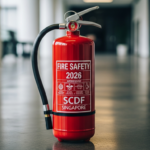
- TUV SUD PSB approved models and certification — only use and install approved equipment to meet local regulations.
- Environmental and cleanup concerns — powder residue can damage electronics, so alternatives may be preferable for sensitive areas.
Local suppliers can advise on trade-offs and provide TUV SUD PSB approved options. For purchase and availability in Singapore, visit a certified supplier listing: buy fire extinguisher.
Installation, placement and signage
Best-practice placement in Singapore:
- Mount extinguishers near escape routes and high-risk areas (kitchens, machine rooms) but not directly behind doors.
- Ensure visibility and clear signage; keep the area free from obstructions.
A regular review of extinguisher locations during safety audits ensures they remain accessible as layouts change.
Servicing, maintenance and legal compliance (2026 updates)
Regular maintenance keeps extinguishers ready and compliant. In 2026, the emphasis is on traceable servicing and digital records. Singapore requirements typically include:
- Monthly visual checks by on-site personnel: pressure gauge, tamper seal, visible damage.
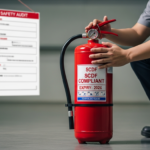
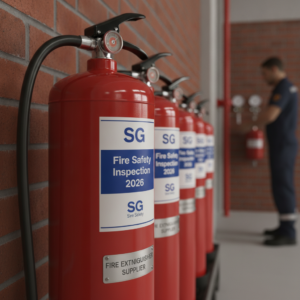
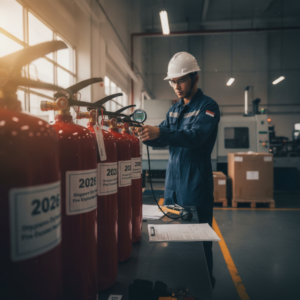
- Annual inspections and maintenance by certified technicians; record keeping of inspections is essential.
Many suppliers now offer digital maintenance logs and IoT inspection tags that record check dates and condition — a trend that helps multi-site businesses meet audit requirements. For specifics on maintenance and disposal practices, reference this technical resource: fire extinguisher maintenance.
Using a dry powder fire extinguisher safely (PASS method)
If a small fire is manageable and you are trained, follow a safe, standard approach:
- Pull the safety pin.
- Aim the nozzle at the base of the fire (not at the flames).
- Squeeze the handle to discharge powder.
- Sweep the nozzle from side to side, covering the base of the fire until it is extinguished.
Important cautions for Singapore residents and workers:
- Keep a clear exit behind you; never let the fire block your escape.
- Avoid using powder extinguishers in confined spaces without proper ventilation — the dust can reduce visibility and respiratory comfort.
- After use, have affected equipment inspected; powder residue can be corrosive over time.
For professional training and service options in Singapore, consult trusted servicing providers: fire extinguisher.
Limitations and alternatives to dry powder
While versatile, dry powder extinguishers have downsides:
- Residue cleanup is time-consuming and potentially damaging to electronics.
- Not appropriate for certain specialised hazards (e.g., some metal fires) unless specifically designed.
- Powder can hinder visibility and respiratory comfort in enclosed spaces.
Alternatives include CO2 for electrical fires, foam for liquid fires where re-ignition is a risk, and water-based solutions for Class A hazards. Choosing the correct mix of extinguisher types for your premises reduces damage and improves response effectiveness.
Disposal, refills and sustainability trends
Sustainable fire safety is getting more attention in Singapore. Key considerations:
- Refilling vs replacement: Many dry powder units can be refilled, but ensure refills are performed by approved technicians and that cylinders pass inspection.
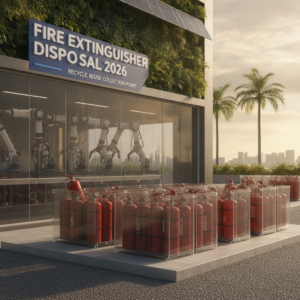
- Safe disposal: Expired or damaged extinguishers should be taken to authorised disposal facilities — do not discard with general waste.
- Newer powder formulations and refill processes reduce environmental impact and improve workplace cleanliness.
For disposal and end-of-life guidance aligned with Singapore regulations, see this resource: fire extinguisher maintenance.
Procurement and working with suppliers in Singapore
Look for suppliers who can:
- Offer on-site risk assessments to recommend the optimal mix of extinguisher types.
- Deliver certified servicing and rapid replacement if units are used or fail inspection.
Find purchase and supplier information here: buy fire extinguisher and consider certified servicing partners listed here for ongoing upkeep: fire extinguisher.
Quick checklist for Singapore building owners and residents
- Identify fire risks by area and select the extinguisher classes accordingly.
- Ensure all extinguishers are TUV SUD PSB approved and recorded in maintenance logs.
- Conduct monthly visual checks and schedule annual servicing with certified technicians.
- Provide simple user training for occupants (PASS method) and maintain clear signage.
- Plan for safe disposal or refilling through authorised channels.
Final notes: readiness, compliance and peace of mind
A dry powder fire extinguisher will remain a staple for many Singapore settings in 2026 due to its versatility and effectiveness across multiple fire types. The priorities for owners and facilities managers are clear: choose the right type for the hazard, keep equipment serviced and compliant, and factor in modern trends like digital maintenance and smarter supplier services.
Practical preparedness and regular upkeep turn an extinguisher from a decorative item into a life-saving tool.

No comment yet, add your voice below!