

Introduction
In a compact, high-density city like Singapore, fire safety is non-negotiable. Whether you manage an office, a retail outlet, a factory, or a residential block, having the right fire protection equipment and a reliable partner for fire extinguisher servicing is essential.
Why choosing the right fire extinguisher supplier matters
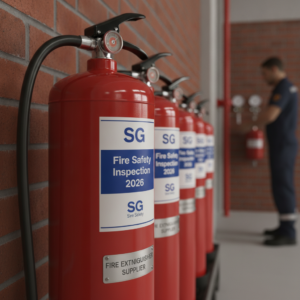
A reputable fire extinguisher supplier does more than sell hardware. The right supplier reduces liability, shortens response times during emergencies, and ensures extinguisher performance when it matters most.
Key functions of a top supplier:
- Hazard assessment and extinguisher selection
- Professional installation and mounting
- Regular servicing and inspection schedules
- Immediate replacement and disposal of expired units
- Training and demonstration for staff
For a clear overview of professional maintenance and inspection processes, see this guide to fire extinguisher servicing.
Understanding requirements and inspection checklists
Regular checks are mandatory, and non-compliance risks fines and, more importantly, compromised safety.
Facility managers should familiarise themselves with the official inspection points.
Types of fire extinguishers and where to use them
Selecting the correct extinguisher type is a critical role for any fire extinguisher supplier. Common classes and their typical applications in Singapore include:
- Water-based (Class A): Suitable for ordinary combustibles such as wood and paper. Not for electrical fires.
- Foam (A, B): Effective on liquid fuels and solids.
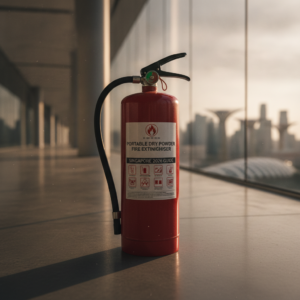
- Dry powder (ABC): Versatile for A, B and electrical fires; frequently used in mixed-hazard environments. Read more on dry powder fire extinguisher facts.
- CO2 (B, electrical): Good for electrical equipment and flammable liquids without leaving residue.
- Wet chemical (F): Specifically for cooking oil and grease fires—essential for kitchens and F&B outlets.
A quality supplier will recommend the right mix based on a site risk assessment and ensure proper signage and placement.
What happens during professional fire extinguisher servicing
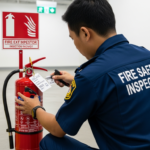
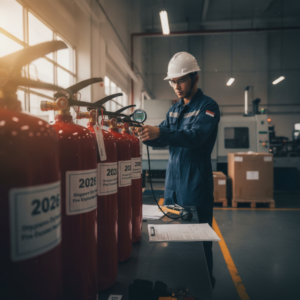
Fire extinguisher servicing is not just a visual check. Accredited technicians perform a sequence of detailed inspections and actions to ensure operational readiness and regulatory compliance:
- Visual inspection for physical damage, corrosion, and tampering
- Pressure checks and gauge verification
- Weight checks to ensure the agent level is correct
- Seal and pin integrity verification
- Hose, valve, and nozzle inspection
- Hydrostatic testing for certain types at specified intervals
- Recharging after use and replacement of expired or damaged units
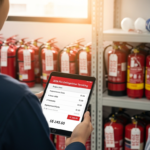
Regular servicing intervals typically include a monthly in-house visual check, a 6-month minor service by a trained technician, and a 12-month full service. Your supplier should provide a service log and reminders.
Maintenance vs replacement: making the right call
Not all problems can be fixed with servicing. Some extinguishers are beyond economical repair or past their hydrostatic testing deadlines. Decisions between maintenance and replacement should weigh:
- Cost of repair versus replacement
- Age and corrosion of the cylinder
- Availability of parts or recharge agents
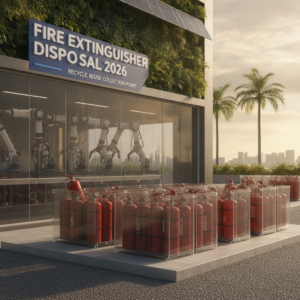
A trusted supplier will recommend replacement when needed and handle safe disposal and certification. For specifics on swapping older units, consult this fire extinguisher replacement guidance.
Practical checklist for onsite staff
Empower frontline staff with a simple, repeatable checklist to keep extinguishers ready:
- Visible and accessible: No obstructions or locked cupboards
- Correct signage: Clearly marked fire extinguisher points
- Pin and safety seal intact
- Pressure gauge in green band
- No dents, rust, or visible leakage
- Last service date recorded on tag
If the property has portable units distributed across floors or specialized areas, keep a master log and set electronic reminders tied to your supplier’s servicing schedule.
Choosing an accredited supplier in Singapore
When evaluating vendors, consider the following selection criteria:
- Clear documentation and service logs
- Experience in your sector (F&B, industrial, commercial, residential)
- Availability of emergency call-outs and replacement stock
- Transparent pricing and warranty terms
- Customer reviews and case studies
Look for suppliers that combine product supply with proactive maintenance contracts. For businesses that rely on multiple extinguisher types and high turnover, a one-stop provider that handles both supply and periodic portable fire extinguisher Singapore servicing can reduce administrative overhead.
Cost considerations and budgeting for servicing
Costs for fire extinguisher servicing in Singapore vary by type, number of units, service frequency, and whether hydrostatic testing is required. Typical line items:
- Per-unit inspection and tagging
- Recharging or refilling agent
- Replacement parts (nozzles, valves, seals)
- Hydrostatic testing every few years for certain cylinders
- Disposal fees for condemned units
Budgeting for preventive maintenance is far cheaper than emergency replacements after a failure. Annual maintenance contracts often offer the best value and predictable costs.
Training and drills: extending the supplier’s value
A comprehensive safety program extends beyond equipment. Reputable suppliers often offer staff training on extinguisher selection, correct handling techniques, and evacuation coordination. Regular fire drills that include live demonstrations (where safe and permitted) build confidence and improve response times.
Emerging trends in fire safety for Singapore
- Digital service records and IoT-enabled sensors for real-time readiness updates
- Eco-friendly agents and refill programs for sustainability goals
- Increased focus on kitchen fire suppression systems for F&B outlets
- Integration of extinguisher coverage into building-level fire safety management platforms
Suppliers that invest in these trends add operational transparency and help clients meet ESG objectives.
Case study snapshot: a small office retrofit
A 10-storey office building in the CBD revised its fire safety plan after an interior reconfiguration. The building manager partnered with a supplier that conducted a site audit, updated extinguisher placements for new workspaces, replaced several expired dry powder units, and instituted quarterly servicing. Result: a documented compliance trail, improved occupant confidence, and reduced service call times.
For a similar practical reference on maintaining compliance and servicing, review this fire extinguisher servicing resource.
Final checklist before you sign a service contract
- Confirm response times for emergency replacements
- Ensure service intervals are clearly defined and scheduled
- Ask about warranty and post-service support
- Confirm safe disposal and replacement policies for old units
If the contract includes multiple locations or specialized hazards, negotiate a bespoke plan that covers training, digital logs, and periodic audits.
Conclusion
Selecting the best fire extinguisher supplier and setting up robust fire extinguisher servicing are foundational steps in protecting people and property in Singapore. For more on specific extinguisher types and replacement guidance, see resources on dry powder fire extinguisher facts, the inspection checklist, and replacement procedures.

No comment yet, add your voice below!