

Quick overview
Fire extinguishers are the first line of defence in many workplace and residential fires. Proper fire extinguisher maintenance not only protects lives and property, it keeps you compliant with SCDF rules in Singapore and reduces long-term costs from damaged or expired units. This guide explains what every building owner, facilities manager and resident in Singapore must know in 2026: inspection steps, servicing timelines, common mistakes to avoid, and modern trends like QR-based service logs and IoT monitoring.
Why regular fire extinguisher maintenance matters
- Safety: Faulty or undercharged extinguishers fail when they are needed most. Regular checks help ensure reliable performance.
- Compliance: Singapore Civil Defence Force (SCDF) regulations require scheduled servicing and recordkeeping for many commercial properties. Noncompliance can lead to fines or unsafe certifications.
- Cost control: Replacing or recharging early is cheaper than emergency replacements after a fire incident. Scheduled maintenance extends equipment life.
- Insurance and certification: Insurers and authorities often require proof of routine maintenance for claims and building approvals.
Key SCDF requirements and 2026 updates
SCDF continues to emphasise traceable maintenance records and certified technicians. In 2026 there is greater emphasis on:
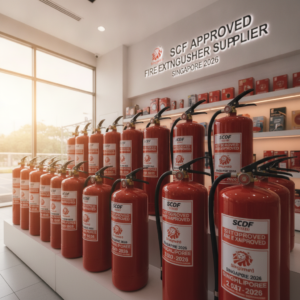
– Using SCDF-approved service providers and technicians for annual servicing and major repairs. For SCDF-approved fire extinguisher maintenance options, see this resource: https://nationalcitycorporation.sg/scdf-approved-fire-extinguisher-maintenance-singapore-2026/
– Maintaining accurate inspection logs, preferably digital, to make audits faster and more transparent.
– Integrating extinguisher checks with broader fire protection system inspections, such as fire alarms and hydrants. For combined services and inspections, explore: https://nationalcitycorporation.sg/scdf-fire-extinguisher-and-fire-alarm-maintenance-2026/
Types of fire extinguishers and specific maintenance notes
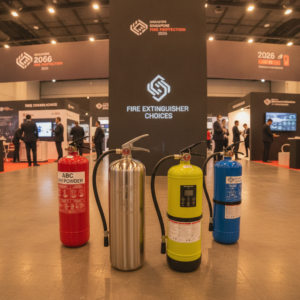
Different extinguisher types require slightly different care. Common types found in Singapore:
– ABC dry powder (multi-purpose): Versatile and common in commercial spaces. Check pressure gauge, tamper seal and nozzle for blockage.
– CO2: No pressure gauge on many models; inspect cylinder condition and test weight to ensure correct fill.
– Water and water mist: Check hose, nozzle and cylinder condition; avoid freezing or corrosion.
– Wet chemical: Common in F&B kitchens for grease fires; ensure nozzle and dip tube are clear and agent is stable.
Hydrostatic testing intervals vary by type and standard. Most portable dry chemical extinguishers require hydrostatic testing every 5 to 12 years depending on construction and regulations. Always refer to the manufacturer label and SCDF guidance.
Practical monthly visual inspection checklist
Every site should perform a quick visual check monthly. Train a responsible staff member to follow this simple checklist:
– Is the extinguisher in its designated location and unobstructed?
– Is the pressure gauge in the operable range or is the cylinder weight correct for CO2 units?
– Is the tamper seal or safety pin present and intact?
– Any signs of obvious damage, corrosion or dents to the cylinder?
– Are hoses and nozzles free of obstructions, cracks or wear?
– Is the inspection tag up to date and legible?
– Are operating instructions visible and readable?
Record the date and initials on the tag or in your digital log after each check. For guidance connecting extinguisher checks to wider building inspections, visit: https://nationalcitycorporation.sg/2026-singapore-fire-protection-system-safety-inspection/
Annual servicing and professional maintenance
Monthly checks are not a substitute for professional servicing. Annual maintenance by an SCDF-trained or approved technician typically includes:
– Full internal and external inspection.
– Disassembly, internal assessment and drying if moisture has entered the cylinder.
– Recharging or topping up the agent as required.
– Replacing or repairing damaged parts, hoses and valves.
– Hydrostatic testing when due.
– Issuing a service certificate and updating the service tag or QR-linked record.
Always use a reputable provider. If you need a reliable supplier for installations and ongoing servicing, consider checking options from a local top fire extinguisher supplier: https://nationalcitycorporation.sg/top-fire-extinguisher-supplier-singapore-fire-safety-2026/
After-use procedures and recharging
Any extinguisher used, even partially, must be recharged promptly. Steps to follow:
1. Remove the unit and isolate it safely to a service area.
2. Contact your certified technician for recharge and inspection.
3. Replace the unit if severely damaged or expired rather than attempt improvised repairs.
Do not return a used extinguisher to service without professional servicing and a new tag.
Recordkeeping: analogue vs digital logs
Good records are the backbone of compliance. Traditional logbooks still work but digital systems win for convenience:
– Digital advantages: timestamped entries, photo attachments, technician signatures, remote auditing and integration with building management systems.
– QR code tagging: Many Singapore providers now attach QR codes to extinguishers so technicians can update records on site. This reduces lost tags and incomplete logs.
If you are upgrading recordkeeping across your estate, look for providers who combine extinguisher and alarm maintenance for a single record system: https://nationalcitycorporation.sg/singapore-portable-fire-extinguisher-fire-alarm-maintenance/
Modern trends in fire extinguisher maintenance (2026)
- IoT sensors and remote monitoring: Sensors can report pressure changes or tamper events to a dashboard, enabling proactive maintenance.
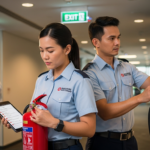
- Mobile inspection apps: Technicians use apps to log work, upload photos and generate certificates instantly.
- QR-enabled logs and NFC tagging: Faster checks and better traceability for audits.
- Integrated contracts: Bundling extinguisher maintenance with fire alarm and suppression maintenance simplifies compliance management. See combined service options: https://nationalcitycorporation.sg/2026-singapore-fire-protection-system-safety-inspection/
Choosing a maintenance provider: what to look for
- SCDF recognition and certification: Confirm their technicians are trained to local standards.
- Transparent pricing and service scope: Monthly checks, annual servicing, recharges and hydrostatic tests should be clearly itemised.
- Response time: Especially important for recharges after use and emergency replacements.
- Technology: Providers who offer digital logs, QR tagging or IoT integration improve compliance and reduce administrative work.
- Local references: Verify work on similar buildings or estates in Singapore.
For an example of providers offering SCDF-compliant maintenance and integrated alarm services, explore: https://nationalcitycorporation.sg/scdf-fire-extinguisher-and-fire-alarm-maintenance-2026/
Common mistakes and how to avoid them
- Ignoring weight or pressure discrepancies. Small deviations can mean the unit will not discharge effectively.
- Delaying recharge after partial use. Even a small discharge can allow moisture or contaminants in.
- Relying solely on visual tags without cross-checking digital logs. Tags can be lost or damaged.
- Trying DIY repairs. Only certified technicians should replace valves, hoses or perform hydrostatic tests.
- Poor placement: Storing extinguishers behind boxes or in locked rooms makes them inaccessible during an emergency.
Cost considerations and budgeting
Budgeting for extinguisher maintenance should include:
– Routine monthly checks performed by in-house staff (minimal cost).
– Annual professional servicing per unit.
– Replacement parts and periodic hydrostatic testing.
– Digital upgrade costs if adopting QR/IoT systems.
An integrated maintenance contract that combines extinguisher and alarm services often delivers better value and simplifies compliance. See bundled service examples and quotes at: https://nationalcitycorporation.sg/top-fire-extinguisher-supplier-singapore-fire-safety-2026/
Sample annual maintenance schedule (recommended)
- Monthly: Visual inspection and tag/log update.
- Quarterly: Supervisor checks and report review.
- Annually: Full service by certified technician, recharge as needed and certificate issuance.
- Every 5 to 12 years: Hydrostatic testing or other manufacturer-specified pressure tests.
Adjust this schedule depending on use, environment (e.g. corrosive or high-heat areas), and manufacturer instructions.
Training and drills
Maintenance is only part of preparedness. Staff training in extinguisher selection and use is essential. Conduct practical drills periodically and ensure staff know:
– Which extinguisher to use for different fire types.
– PASS technique: Pull, Aim, Squeeze, Sweep.
– Evacuation routes and alarm procedures.
Final checklist for building owners and managers in Singapore
- Implement monthly visual checks and keep records.
- Schedule annual professional servicing with SCDF-approved technicians.
- Recharge or replace any unit used in an incident.
- Consider digital recordkeeping with QR or IoT upgrades for better traceability.
- Bundle extinguisher and fire protection system inspections to simplify compliance and auditing. For integrated inspections and to organise service quickly, visit: https://nationalcitycorporation.sg/2026-singapore-fire-protection-system-safety-inspection/
Regular fire extinguisher maintenance protects people, reduces liability and ensures regulatory compliance in Singapore. Taking practical steps now, and partnering with certified local providers, keeps equipment ready when it matters most and reduces long-term risk and cost.

No comment yet, add your voice below!