

Why a robust fire safety inspection matters in 2026
Singapore’s dense urban environment, mixed-use developments and advanced critical infrastructure make fire protection an essential public-safety priority. In 2026 the focus is shifting to integrated, data-driven systems — but fundamentals like extinguisher readiness and sprinkler integrity remain the backbone of any effective Singapore fire protection system.
The regulatory landscape and expectations
A growing trend in 2026 is tighter documentation and digital submission of maintenance records to support audits and permit renewals.
Core components of a Singapore fire protection system to inspect
A comprehensive fire safety inspection must cover active and passive systems, plus evacuation infrastructure. Key elements include:
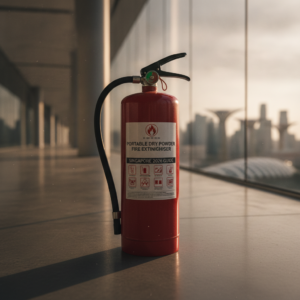
- Portable fire extinguishers and wall brackets
- Automatic sprinkler systems (wet, dry, pre-action) and sprinkler heads
- Fire hydrants, hose reels and sectional valves
- Fire detection and alarm systems (detectors, control panels, notification devices)
- Smoke control and ventilation systems
- Emergency lighting and exit signage
- Kitchen and restaurant suppression systems
- Gas suppression for data centres or telecom rooms
- Fire-rated doors, compartmentation and seals
- Fire pumps, jockey pumps and associated controllers
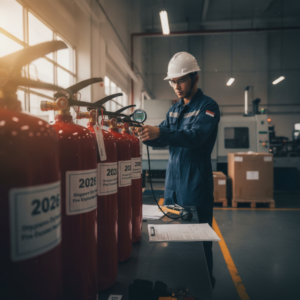
Portable fire extinguisher inspections are a frequent failure point; for practical maintenance guidance consult the notes on portable fire extinguisher maintenance.
A practical fire safety inspection checklist (step-by-step)
Use this checklist during each inspection to ensure nothing is missed:
- Visual condition: no dents, corrosion, leakage, missing labels, or blocked access
- Pressure gauge readings: within the manufacturer’s recommended range
- Service seals and tamper indicators: intact
- Correct type and rating for the hazard and location
- Brackets and wall mounts: secure and corrosion-free
- Expiry dates and service tags: current
- Sprinkler heads: unobstructed, correct orientation and free of paint
- Hydrant and hose reel hoses: intact, coupling functionality tested
- Fire pumps: start-up test, flow and pressure checks, fuel/backup power availability
- Fire alarm: detector sensitivity test, control panel event logs, sounder/visual device tests
- Emergency lighting: luminescence checks, battery backup tests
- Compartmentation: fire door closers and seals operational
- Documentation: previous service records, certificates and logbooks present
For a more detailed inspection flow tailored to Singapore requirements see resources on fire extinguisher maintenance and inspection 2026.
Common defects found during inspections — and how to fix them
- Corroded or damaged extinguishers: replace or refurbish and re-certify.
- Undercharged cylinders: re-fill and pressure-test to restore operational readiness.
- Blocked or painted sprinkler heads: replace affected heads and remediate paint sources.
- Faulty detectors or poor sensitivity: clean, recalibrate or replace devices; verify placement.
- Incomplete documentation: obtain missing certificates from accredited technicians immediately.
Timely corrective action reduces liability and prevents larger system failures.
Inspection frequencies and recommended maintenance rhythm
Best practice inspection frequencies for Singapore facilities in 2026 blend visual owner checks with certified technical maintenance:
- Daily/weekly: quick visual checks of escape routes, signage and extinguisher accessibility by on-site staff
- Monthly: visual inspections of extinguishers and fire exits
- Six-monthly: basic service tests for portable extinguishers, hoses and hydrants (where applicable)
- As-needed: after any activation, building works or modifications, perform targeted re-testing
Local maintenance providers often publish their service schedules; compare options such as accredited suppliers and maintenance packages like those listed at top fire extinguisher supplier.
Digital and technology trends shaping inspections in 2026
Singapore is among early adopters of smart building fire safety integrations. Key 2026 trends impacting inspections include:
- IoT-enabled sensors for real-time pressure and status monitoring of extinguishers and hydrants
- Predictive maintenance using analytics to flag equipment at risk of failure before it happens
- Integration of fire alarm systems with building management systems (BMS) for coordinated response
- Drone-assisted rooftop and external façade inspections to assess smoke vents and rooftop tanks safely
Implementing these technologies can reduce manual inspection time, open up predictive maintenance opportunities and help demonstrate proactive compliance to regulators.
Preparing your facility for an audit or inspection
Preparation reduces inspection friction and improves outcomes. Follow these steps:
- Compile an up-to-date register of all fire protection equipment with serial numbers, installation dates and service history.
- Ensure certificates and maintenance tags are attached and legible.
- Conduct a pre-audit walk-through using the checklist above to rectify obvious issues.
- Train on-site staff in basic checks and incident protocols; designate a fire safety coordinator.
- Confirm that your maintenance provider is accredited and that their technicians carry identity and accreditation documentation.
- Digitise records where possible to expedite submission during audits.
Choosing a service provider: accreditation, capability and transparency
Selecting the right vendor is a critical decision. Evaluate providers on these criteria:
- Proven experience across building types (commercial, industrial, residential, healthcare)
- Transparent reporting and digital record-keeping
- Response time for emergency call-outs and after-activation servicing
- Clear warranty and retest commitments
Compare providers that publish transparent packages and maintenance standards when choosing vendors.
Recordkeeping and legal considerations
Accurate records are your strongest defence in regulatory reviews. Maintain:
- Service logs with technician names, accreditation and signatures
- Test results with measured values (pressure, flow rates, detector sensitivity)
- Certificates for annual inspections and replacements
- Incident reports if any equipment was activated
Records are increasingly requested electronically; adopt a secure cloud solution to ensure availability during inspections.
Final operational checklist before an inspection
- Confirm service records are complete and digitised
- Perform a walkthrough with the fire safety coordinator
- Ensure all emergency exits and routes are unobstructed and clearly signed
- Verify backup power and fire pump operation
- Validate that all defective items have corrective work orders and timelines
For practical inspection and maintenance scheduling options tailored to 2026 needs, you can explore services like fire extinguisher maintenance and inspection 2026.
Closing summary
Combine foundational maintenance with digital monitoring, keep documentation meticulous, and partner with accredited service providers to turn inspections from a compliance exercise into a value-adding safety program. Modern trends — IoT sensors, predictive analytics and integrated building systems — make 2026 an ideal time to upgrade inspection practices and keep your Singapore fire protection system well-prepared for the challenges ahead.
For practical supplier and maintenance information, consider verified local resources from established providers such as those listed in the practical guides above, and ensure every inspection is documented, corrective actions are tracked, and compliance certificates are current.

No comment yet, add your voice below!