

Why SCDF-approved fire extinguisher maintenance matters in 2026
Fire safety in Singapore is tightly regulated and for good reason: properly maintained extinguishers save lives and reduce property loss. SCDF fire extinguisher approval and routine fire extinguisher maintenance ensure devices will operate correctly when needed and that building owners remain compliant with local laws. In 2026, advancements in digital record-keeping and inspection technologies have made compliance easier — but understanding what to check and when remains essential.
The fundamentals: what is included in maintenance
A full maintenance service typically includes:
- A visual inspection for corrosion, damage, and correct placement.
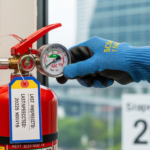
- Pressure and gauge checks to confirm the extinguisher is charged.
- Verification of seals, pins, nozzles and hoses for blockages or wear.
- Weight checks and, where required, internal inspection and agent replacement.
- Servicing actions such as refilling, recharging or replacing parts.
- Updating of service tags, logs and electronic records for SCDF compliance.
Routine preventative checks by occupiers (monthly) and professional servicing by certified contractors (annually or as required) form the twin pillars of reliable fire extinguisher maintenance.
SCDF requirements and practical intervals
The SCDF expects building owners and facilities managers to keep portable extinguishers in working order. Typical expectations include:
- Monthly visual checks by the premises’ responsible person to ensure accessibility, intact seals, and undamaged labels.
- Periodic servicing and preventive maintenance by an SCDF-approved contractor. Many properties schedule annual maintenance; some high-risk environments may require more frequent attention.
- Recordkeeping: maintain service tags and detailed maintenance records for inspections and audits.
Specific testing (for example, hydraulic or internal inspections) and exact intervals depend on extinguisher type and manufacturer recommendations. Always follow SCDF guidance and consult an SCDF-authorised technician for precise schedules. If you need a professional provider, consider certified suppliers and contractors such as those listed in resources for fire extinguisher maintenance.
Types of portable extinguishers and care notes
Each extinguisher type has particular needs:
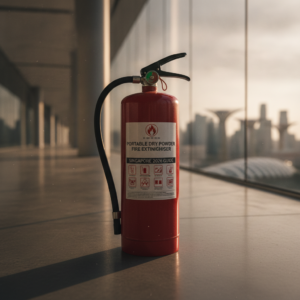
- Dry chemical (ABC) extinguishers: good general-purpose units. Check for caking of powder, confirm weight, and recharge after any discharge.
- CO2 extinguishers: check horns and pressure indicators, inspect for physical damage and ensure the security of the neck ring.
- Water and foam extinguishers: inspect for rust, leaks and ensure internal condition is sound.
- Wet chemical extinguishers: used for kitchen fires—inspect seals and valves carefully and ensure periodic maintenance by a specialist.
For specialist systems or unusual agents, always follow manufacturer and SCDF guidance.
Digital trends improving compliance in 2026
Singapore’s fire-safety sector is embracing digital tools that simplify maintenance workflows and strengthen compliance:
- QR-tagging of extinguishers: quick access to service history by scanning the extinguisher tag.
- Mobile inspection apps: technicians complete checklists on-site, generating timestamped records that are stored in the cloud.
- IoT-enabled sensors: pressure or status sensors can send real-time alerts for pressure loss or tampering.
- Centralized compliance dashboards: asset managers can view maintenance status across multiple sites for easier audit readiness.
These technologies don’t replace hands-on servicing but make record-keeping and early detection far more reliable. Many approved providers now offer packages combining on-site maintenance with digital records — a time- and risk-saving trend worth considering.
How to choose an SCDF-approved service provider
Selecting the right contractor is a key decision. Look for:
- SCDF accreditation and proof of licensing for fire equipment servicing.
- Transparent pricing and written scope of work covering inspections, recharges, and replacement parts.
- Up-to-date service records and the ability to supply documentation for audits.
- Familiarity with Singapore standards and building-types similar to yours.
- Digital reporting capabilities for easy retrieval of maintenance histories.
If you need examples of reputable vendors and supply options, you can review firms listed among top fire extinguisher suppliers that service commercial and residential properties.
Monthly and annual checklists you can use today
Monthly (occupier-level) checklist:
- Is the extinguisher in its designated location and unobstructed?
- Is the pressure gauge in the green (where applicable)?
- Are seals and tamper indicators intact?
- Is there visible physical damage, corrosion or leakage?
- Is the service tag current and legible?
Annual (contractor-level) checklist:
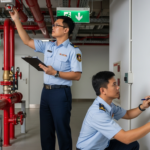
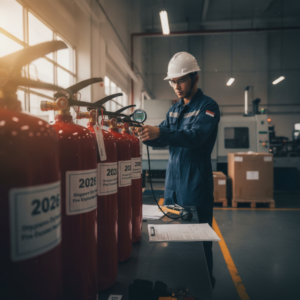
- Full visual and mechanical service by an authorised technician.
- Recharge or replacement if required after testing.
- Internal inspection or pressure testing where specified.
- Replacement of faulty hoses, nozzles, valves or gauges.
- Updating of maintenance records and service tags.
For specialised portable units or multi-site programs, use a digital platform and consider integrating with centralized fire protection system safety inspection services for coordinated compliance.
Common mistakes and how to avoid them
- Assuming a visible extinguisher is functional: Without checks, gauges can be out of range and agents degrade.
- Skipping record updates: Missing paperwork can lead to compliance failures during inspections.
- Using non-approved parts or refill agents: This can void warranties and compromise performance.
- DIY refills or repairs: Always use SCDF-authorised technicians to maintain validity of certifications and safety.
Avoid these mistakes by following a documented schedule and using an approved provider.
Cost considerations and value
Costs vary by type of extinguisher, frequency of service, and whether replacements or recharges are necessary. Consider these value factors:
- Preventive maintenance is cheaper than emergency replacement or liability costs after an incident.
- Bundled site contracts with digital records often reduce administrative overhead.
- Investing in high-quality extinguishers and approved maintenance yields longer asset life and fewer failures.
For tailored service plans for portable units including kitchen or marine applications, explore professional portable fire extinguisher maintenance packages.
Documentation and audit-readiness
Good documentation should include:
- A complete inventory with extinguisher types, locations and serial numbers.
- Date-stamped service reports and tags for each extinguisher.
- Photographic evidence of location and condition after each service.
- Manufacturer manuals and agent specifications on file.
During SCDF audits, well-organised records are often the difference between a routine inspection and fines or required remedial action. For properties with complex installations, combine extinguisher programs with comprehensive SCDF fire extinguisher and fire alarm maintenance services.
Final checklist: quick steps for responsible managers
- Perform or log monthly visual checks.
- Schedule at least annual servicing with an SCDF-approved contractor.
- Keep digital and physical maintenance records accessible.
- Replace or recharge extinguishers immediately after any use.
- Upgrade to digital tagging or IoT-enabled monitoring when feasible.
Proactive, documented, and SCDF-compliant fire extinguisher maintenance helps protect occupants, assets and your legal standing. For property managers and owners who want reliable providers and up-to-date service options, reviewing qualified vendors and inspection packages is a practical next step and a sound investment in safety.


No comment yet, add your voice below!