

The pace of building modernization and the rise of smart technologies are reshaping how Singapore manages life-safety risks. For property owners, facility managers and safety officers, staying current with fire safety inspection best practices and the Singapore fire protection system is essential to protect people, assets and regulatory compliance in 2026.
Why regular fire safety inspection matters in Singapore
Fire safety inspection is more than a paperwork exercise — it validates that your detection, suppression and evacuation systems will work when needed. In Singapore, where high-density living and mixed-use developments are common, even a small failure can rapidly escalate into major loss.
Understanding the Singapore fire protection system
A comprehensive Singapore fire protection system is layered. It combines passive measures (compartmentation, fire-rated doors and building design) with active systems (sprinklers, aural/visual alarms, portable fire extinguishers) and management controls (evacuation plans, training, and maintenance regimes). Together, these elements create resilience: if one layer fails, others still protect lives and property.
Most building owners will encounter the following core components during a fire safety inspection:
– Fire detection and alarm systems (smoke detectors, control panels, voice evacuation)
– Automatic sprinkler systems and deluge systems
– Portable fire extinguishers and hose reels
– Fire hydrants and external water supplies
– Emergency lighting, exit signage and evacuation route integrity
– Fire doors, dampers and other passive fire protection
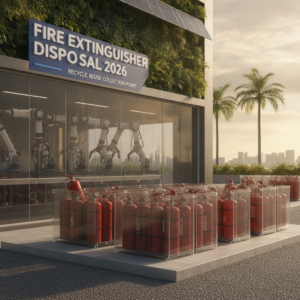
For portable extinguishers specifically, proper supply, placement and end-of-life disposal are critical — including environmentally responsible options and documented safe disposal processes. For guidance on safe extinguisher disposal, see this resource on fire extinguisher supplier and safe disposal: https://nationalcitycorporation.sg/singapore-fire-extinguisher-supplier-and-safe-disposal/.
How inspections are typically structured
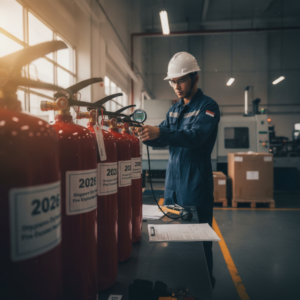
A good fire safety inspection program combines visual checks, functional testing and documented servicing by licensed technicians. Typical elements include:
– Visual checks: are devices unobstructed, visible and undamaged?
– Functional tests: do alarms trigger correctly, do sprinklers flow to test points, do emergency lights operate on battery supply?
– Pressure and recharge checks: for hydrants, extinguishers and sprinkler systems
– Records review: maintenance logs, certificates and past inspection reports
– Corrective action tracking: defects found, repair timelines and verification
Portable fire extinguishers: inspection, maintenance and trends
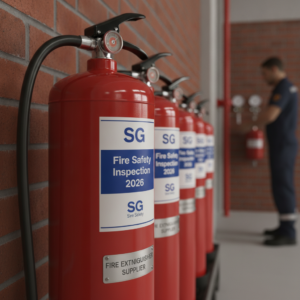
Portable fire extinguishers remain a frontline tool for early-stage fires. A solid inspection program includes monthly visual checks by on-site staff and scheduled servicing by certified providers. For full-service inspection and compliance options, consider specialist providers featured here: https://nationalcitycorporation.sg/singapore-fire-extinguisher-supplier-and-inspection-2026/.
Emerging trends for extinguishers in 2026 include:
– Smart tagging with QR codes linking to digital maintenance histories
– Eco-friendlier extinguishing agents and certified disposal processes
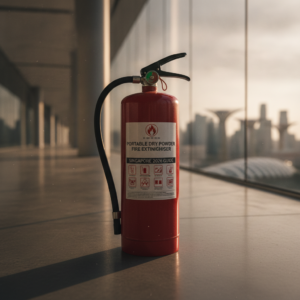
– Greater use of dry-powder alternatives for specific industrial risks — and clear protocols for replacement and maintenance. Learn more about replacement options at this dry powder extinguisher replacement guide: https://nationalcitycorporation.sg/dry-powder-fire-extinguisher-replacement-singapore-2026/.
For those responsible for extinguisher upkeep, information about maintenance for dry powder units is available here: https://nationalcitycorporation.sg/singapore-dry-powder-fire-extinguisher-maintenance-2026/.
Fire alarm and detection: modern expectations and maintenance
Fire alarm maintenance is a critical pillar of a well-functioning protection system. Regular testing, battery checks, and software updates to address false alarm reduction strategies keep systems reliable. Integration with building management systems (BMS) and remote monitoring platforms is now common in new and retrofitted buildings.
When sourcing maintenance contracts or upgrades, verify provider credentials and ask about end-to-end testing of detectors, panels and voice evacuation systems. A practical starting point on maintenance synergies with portable extinguishers is available here: https://nationalcitycorporation.sg/fire-alarm-maintenance-with-portable-fire-extinguisher-2026/.
Technology trends shaping inspections in 2026
Several technology trends are changing how fire safety inspections are performed and documented:
– IoT sensors and networked detectors that provide continuous health data and early warning of component degradation
– Mobile inspection apps with QR-coded assets that store digital logbooks and time-stamped photos for instant evidence
– Predictive maintenance using analytics to forecast failures before they occur, reducing surprise breakdowns
– Drones and thermal imaging for external inspections of roof risers, solar arrays and hard-to-reach areas
– Cloud-based compliance dashboards for consolidated reporting to stakeholders and auditors
Adopting these tools can cut inspection time, increase audit readiness and support more strategic maintenance budgets.
Regulatory considerations and staying compliant
Singapore’s regulatory landscape emphasizes documented maintenance and adherence to codes.
Non-compliance can lead to fines, directives and in severe cases, enforced shutdowns until issues are resolved.
Practical checklist for property owners and facility managers
Use this practical checklist as a starting point for building an inspection and protection program tailored to your site:
– Inventory all fire protection assets and tag them with a unique ID and QR code
– Schedule monthly visual checks by on-site staff and quarterly/annual servicing by licensed providers as applicable
– Maintain a digital logbook with test results, photos and service certificates
– Conduct a full-compartmentation and escape-route walk-through quarterly
– Test alarm integration with lifts, HVAC shut-downs and building management systems annually
– Ensure hydrant and sprinkler pressure tests are performed by certified technicians
– Replace aging extinguishers and maintain designated disposal records — see trusted disposal options here: https://nationalcitycorporation.sg/singapore-fire-extinguisher-supplier-and-safe-disposal/
– Run tabletop evacuation and response drills with tenants at least annually
Selecting a service partner: what to ask
If purchasing or servicing extinguishers, choose suppliers with clear inspection services: https://nationalcitycorporation.sg/singapore-fire-extinguisher-supplier-and-inspection-2026/.
Budgeting and lifecycle planning
Think of fire protection as a lifecycle investment. Regular inspection and preventative maintenance typically cost far less than emergency repairs or system replacements after failure. Plan budgets that include routine servicing, periodic replacements, digital upgrades and training. Use predictive analytics where possible to shift spend from reactive to predictive maintenance.
Closing summary
In 2026, an effective Singapore fire protection system is proactive, documented and increasingly digital. A well-run fire safety inspection program ties together people, process and technology: it prevents incidents, shortens response times and ensures regulatory compliance. For property owners and managers, the priority remains the same — keep systems functional, staff trained and records accurate, while embracing sensible new technologies to make inspections smarter and more reliable.
For practical guidance on extinguisher maintenance and replacements, and to help plan a compliant inspection program, review these specialist resources: dry powder extinguisher replacement: https://nationalcitycorporation.sg/dry-powder-fire-extinguisher-replacement-singapore-2026/, dry powder maintenance: https://nationalcitycorporation.sg/singapore-dry-powder-fire-extinguisher-maintenance-2026/, and combined alarm/portable extinguisher maintenance options: https://nationalcitycorporation.sg/fire-alarm-maintenance-with-portable-fire-extinguisher-2026/.
A robust fire safety inspection regime, aligned to Singapore’s fire protection system standards and enhanced by modern tools, delivers stronger protection for people and property while simplifying compliance and lowering long-term costs.


No comment yet, add your voice below!