

Singapore organisations and homeowners must treat fire extinguisher upkeep and end-of-life handling as core safety responsibilities. With stricter compliance expectations in 2025, plus rising interest in greener recycling and digital record-keeping, knowing what counts as proper fire extinguisher maintenance and how to manage fire extinguisher disposal is essential. This article breaks down legal touchpoints, routine checks, qualified servicing, safe disposal routes, and realistic cost estimates so you can budget, comply and reduce risk.
Why regular fire extinguisher maintenance matters in Singapore
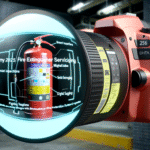
A portable extinguisher only protects you if it works when needed. Routine maintenance: preserves performance, prevents accidental failures, reduces liability and keeps buildings SCDF-ready. Beyond safety, good maintenance helps you avoid fines, downtime and unexpected replacement expenses. In 2025 many firms are also adopting digital inspection logs and QR-tagging for faster audits and traceability — a trend worth noting if you manage multiple sites.
Key compliance and regulatory pointers
- Regulatory oversight: The Singapore Civil Defence Force (SCDF) is the primary authority for fire safety. Buildings and premises must meet SCDF rules and standards for fire protection equipment. Engage a SCDF-recognised/licensed fire protection company for formal servicing and certification.
- Standards and codes: Maintenance should follow recognised Singapore standards and manufacturers’ instructions. Many service providers reference national codes and accepted practice standards when carrying out servicing and testing.
- Documentation: Keep service records, inspection tags and certificates for audits. Digital records are increasingly accepted and make compliance checks faster.
- Hazardous-waste rules: If an extinguisher contains chemical agents that are classified as hazardous upon disposal, engage an NEA-licensed waste handler or an authorised recycler capable of handling pressurised cylinders and chemical residues.
If in doubt about specific legal text, consult SCDF resources or a licensed technician — they can confirm precise intervals and documentation requirements for your building class.
Routine maintenance checklist and frequency (practical guide)
While the exact schedule may vary by extinguisher type and manufacturer, an operational baseline includes:
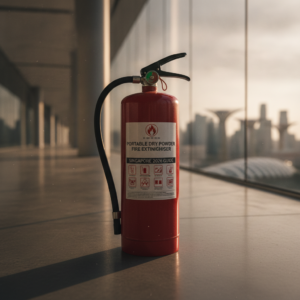
- Monthly visual checks: pressure gauge in the green, no obvious dents, corrosion or broken seals, nozzle unobstructed and signage visible.
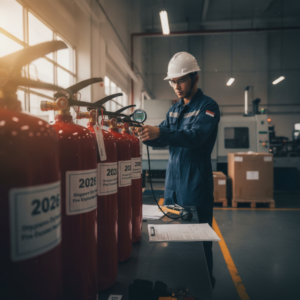
- Annual service by a licensed technician: internal inspection, weight check, gauge test, hose/nozzle check, head and valve servicing, recharge if needed and tagging.
- Periodic pressure/hydrostatic testing: required at intervals recommended by the manufacturer and standards. Some cylinder types require testing or replacement at specific years of service — a licensed service provider will advise.
- After-use service: any extinguisher used, even partially, must be recharged or replaced and then retested.
Record every inspection and service. Many organisations in 2025 now use QR-code tags linked to digital logs for each extinguisher to speed audits and maintenance scheduling.
Safe fire extinguisher disposal and recycling routes
Disposing of extinguishers safely isn’t just about throwing the cylinder away. The process depends on whether the unit is pressurised, empty, or contains hazardous agent:
- Do not puncture or crush cylinders yourself. Pressurised containers are dangerous and can cause injury.
- For empty, depressurised units: many metal cylinders can be recycled as scrap metal once verified empty and safely depressurised and the valve removed by a technician.
- For partially filled or chemically-contaminated cylinders: these require specialist handling. Service companies can recover or neutralise agents, recharge, or safely dispose of residues via licensed hazardous-waste channels.
- CO2 and certain halon substitutes have specific disposal and recovery rules. Some agents are reclaimed for reuse, and others qualify as hazardous waste and must be handled by authorised collectors.
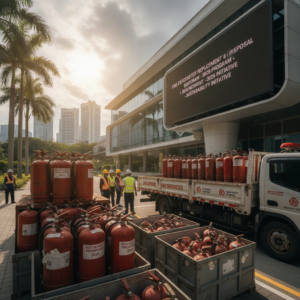
- Use SCDF-licensed or NEA-recognised contractors for disposal. They can issue documentation confirming safe disposal or recycling — important for audit trails and environmental compliance.
Many fire protection companies now partner with metal recyclers to salvage cylinder material and arrange for environmentally responsible processing of chemical residues.
Cost estimates (2025 Singapore market guidance)
Costs vary by extinguisher type (dry powder, CO2, water, foam), size and service required. Below are typical 2025 ballpark ranges in SGD to help budgeting; get quotes from multiple licensed providers for exact pricing:
- Monthly visual inspection (self-check): free to low cost (internal staff time). Many workplaces train staff to do monthly checks.
- Annual professional service: SGD 15–60 per unit. Lower end for simple checks on small units; higher for larger or specialty extinguishers.
- Recharging/replacing agent: SGD 30–150 depending on agent type and size (small ABC dry powder lower, CO2 and specialized agents higher).
- Hydrostatic or pressure testing: SGD 40–150 per cylinder depending on size and complexity.
- Full replacement new extinguisher: SGD 50–350+ depending on capacity and agent (e.g., a small 1–2 kg ABC unit is at the low end; larger 4.5 kg or specialist foam/CO2 units cost more).
- Safe disposal/recycling service: SGD 10–60 per unit when handled by a licensed contractor; higher if the unit contains hazardous residues requiring special treatment.
Bulk servicing, maintenance contracts and preventive programs often reduce per-unit cost, and some vendors offer digital maintenance packages that include QR tagging and cloud record-keeping for an extra fee.
Choosing a licensed service provider and what to ask
Select providers that are recognised by SCDF or have industry credentials and verifiable references. Ask for:
- Proof of licensing and insurance.
- Detailed service scope: what checks, which parts replaced, and whether recharging and hydrostatic testing are included.
- Disposal options: do they provide safe disposal or recycling and written confirmation once completed?
- Response times for emergency call-outs.
- Warranty or guarantee terms for service work.
- Sample service tag and how they document inspections (paper vs digital).
Get at least three quotes for larger fleets and prefer contractors who can service, certify and responsibly dispose of extinguishers to avoid splitting responsibilities.
Practical tips to extend lifespan and reduce costs
- Train staff to do monthly visual checks and simple maintenance (keeping mounts clean, no blocking access).
- Use tamper seals and signage so units remain ready and theft/damage is minimised.
- Consolidate purchases and service contracts across sites to negotiate volume discounts.
- Consider retrofitting with digital QR tags to reduce audit time and accelerate replacement scheduling.
- Replace only when necessary: many extinguishers have long service lives if maintained correctly; premature disposal is wasteful.
Closing summary
In 2025 Singapore, fire extinguisher maintenance and fire extinguisher disposal are both safety and compliance priorities. Regular visual checks, annual licensed servicing, proper hydrostatic testing and documented disposal routes protect people and assets — and save money over time. Engage SCDF-recognised technicians, keep tidy records (digital where possible) and budget realistically for servicing, recharging and responsible disposal or recycling. Taking these steps reduces risk, ensures regulatory readiness and supports greener, safer practices for your building or business.


No comment yet, add your voice below!