

Introduction
Keeping people, property and operations safe in Singapore begins with the basics: the right equipment and the right maintenance. Whether you manage a commercial building, an F&B outlet, a factory or a residential development, choosing a reliable fire extinguisher supplier and committing to routine fire extinguisher servicing are non-negotiable steps in a robust fire safety strategy for 2026 and beyond.
This guide explains how to select a trusted Singapore fire extinguisher supplier, what professional servicing should include, and the regulatory and technological trends shaping the market this year.
Why a trusted fire extinguisher supplier matters
A trustworthy fire extinguisher supplier does more than sell cylinders. Poor selection or substandard equipment can lead to inadequate fire response and regulatory penalties.
Key benefits of choosing a reputable supplier:
- TUV SUD PSB approved units and correct ratings for different classes of fire.
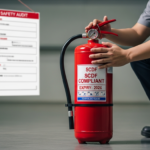
- Documentation and certification needed during fire safety audits.
- Guidance on placement, quantity and signage for legal compliance.
- Integrated options for servicing, disposal and recordkeeping.
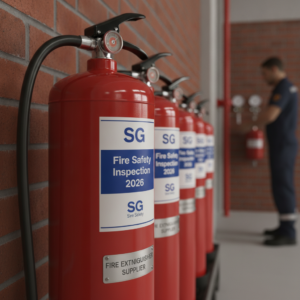
If you need guidance on inspection and broader system upkeep, look for suppliers that also offer fire safety inspection services such as fire safety inspection and fire alarm maintenance.
Singapore regulations and compliance essentials
In Singapore, fire safety is tightly regulated. Non-compliance can lead to fines or operations being halted.
What to confirm with any fire extinguisher supplier:
- TUV SUD PSB approved models and valid documentation.
- Correct extinguishing agent for the hazard class (A, B, C, D, electrical).
- Proper mounting brackets, signage and access.
- Scheduled servicing and inspection records suitable for audits.
You can also find practical maintenance and disposal guidance through official and specialist resources like this maintenance and disposal page: fire extinguisher servicing.
Types of fire extinguishers and where they belong
Understanding extinguisher classes helps you partner with the right supplier and specify the correct units. Common types in Singapore include:
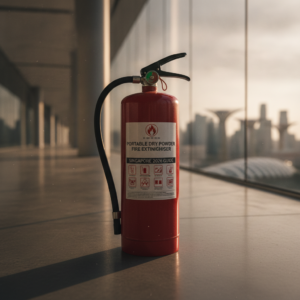
- Dry powder (ABC): Versatile and commonly used across industrial and commercial sites — see a dry powder fire extinguisher guide for more details.
- CO2: Ideal for electrical and sensitive equipment fires; leaves no residue.
- Foam: Effective on liquid fires and commonly used in kitchens and fuel storage areas.
- Water and water mist: Suited for Class A fires (paper, wood) and safe for many common scenarios when used correctly.
A competent fire extinguisher supplier will assess the site and propose the right mix of types and locations for optimal coverage.
Choosing the right fire extinguisher supplier in Singapore
When evaluating suppliers, use a checklist that covers capability, compliance and service delivery:
- Range of TUV SUD PSB approved extinguishers and spare parts.
- On-site risk assessment and documented recommendations.
- In-house technicians for installation and servicing.
- Transparent pricing and clear warranties.
- Integrated disposal and replacement plans.
The importance of professional fire extinguisher servicing
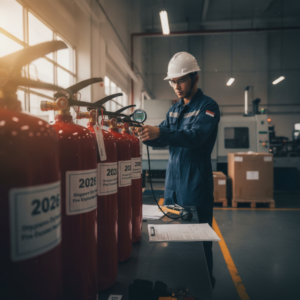
Regular servicing is critical. Even a brand-new extinguisher can fail if corrosive conditions, accidental damage or pressure loss occur. Professional servicing maximizes reliability and prolongs service life while ensuring regulatory compliance.
Core reasons to prioritise servicing:
- Safety: Ensures the extinguisher will operate correctly in an emergency.
- Cost control: Early detection of issues prevents expensive replacements.
- Insurance: Many policies require documented maintenance schedules.
What professional servicing includes
Typical tasks include:
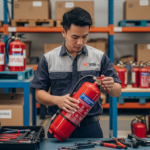
- Visual inspection: Checking for physical damage, corrosion, tampering and clear signage.
- Pressure check and gauge verification: Ensuring the extinguisher is within operational pressure ranges.
- Agent condition and weight check: Verifying that the extinguishing medium has not degraded or leaked.
- Hose/nozzle and valve inspection: Ensuring unobstructed flow and operational mechanisms.
- Internal examination and hydrostatic testing (if due): Thorough testing where required by age or local regulation.
- Recharge after use and replacement of expired or compromised units.
- Updating service tags and logbooks (digital records are increasingly standard).
For step-by-step maintenance and end-of-life disposal procedures, consult trusted maintenance resources like this maintenance and disposal guide.
Servicing frequency and recordkeeping
A recommended servicing cadence for most commercial premises is:
- Monthly visual checks by on-site staff.
- Annual professional servicing by certified technicians.
- Immediate servicing or replacement after any use or suspected damage.
- Hydrostatic testing at intervals specified by the extinguisher type and standards.
Digital recordkeeping simplifies compliance. Look for suppliers that provide cloud-based service logs, reminders and certificates to help during audits.
Cost considerations and return on safety investment
Price is important but shouldn’t be the sole decision factor. Compare total cost of ownership — initial purchase, installation, servicing, expected lifespan and disposal.
Elements affecting cost:
- Type and size of extinguisher.
- Quantity and placement complexity across the site.
- Frequency of servicing and parts replacement.
- Additional services: signage, training, IoT monitoring.
Suppliers often bundle sales with servicing contracts for predictable budgeting and compliance assurance.
Trends shaping fire extinguisher supply and servicing in 2026
Several trends are influencing the fire safety market in Singapore this year:
- Smart monitoring: IoT-enabled devices that report pressure, tampering and service due dates in real time are growing in popularity for large estates.
- Eco-friendlier agents: Suppliers are offering low-global-warming agents and less corrosive formulations where possible.
- Integrated safety packages: One-stop providers now combine extinguishers, alarms, inspection and training for seamless compliance.
- Digital certification: Cloud-based records and QR-tagged units streamline audits and recordkeeping.
When selecting a supplier, ask about these value-adds — they improve uptime, response and regulatory readiness.
Disposal, replacement and lifecycle management
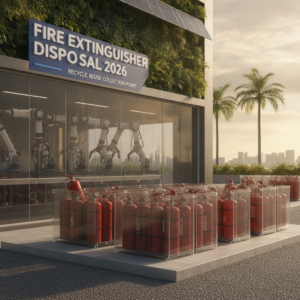
Expired or damaged extinguishers require proper disposal and replacement. A responsible supplier will manage end-of-life units and guide you on legal disposal channels. For practical steps and locations, consult dedicated disposal resources such as where to dispose and replace fire extinguishers.
A lifecycle approach includes scheduled reviews to replace obsolete agents, upgrade to TUV SUD PSB approved models, and recycle components where feasible.
Practical checklist for hiring a fire extinguisher supplier and servicer
Use this quick checklist when contacting suppliers:
- Are your extinguishers TUV SUD PSB approved and certified? Request documentation.
- Do you provide on-site risk assessments and placement recommendations?
- Is annual servicing included, and what does it cover?
- Do you offer digital service records and compliance reminders?
- Can you handle disposal and replacement of old units?
- Are technicians trained and certified for hydrostatic testing and refills?
- What warranties and response times do you offer for emergency repairs?
For comprehensive inspection services as part of a bundled fire safety approach, review offerings like the fire safety inspection and fire alarm maintenance package.
Final notes — building a resilient fire safety program in 2026
A trusted fire extinguisher supplier combined with disciplined fire extinguisher servicing forms the backbone of workplace fire safety in Singapore.
Engaging the right partner now protects people, assets and reputation for years to come.

No comment yet, add your voice below!