

Introduction
Singapore’s built environment demands high standards of fire safety. For facility managers, building owners and safety officers, staying on top of fire safety inspection and fire alarm maintenance is both a legal responsibility and a practical necessity to protect lives, assets and business continuity. This guide focuses on what matters in 2026: compliance, common failure points, practical maintenance schedules and the modern technologies reshaping inspection workflows.
Why regular fire safety inspection matters
- Ensures systems operate reliably during an emergency, reducing response time and injury risk.
- Identifies wear, corrosion, battery degradation and wiring faults before they cause system failure or false alarms.
- Reduces long-term costs by moving from reactive repairs to planned maintenance and replacements.
A thorough fire safety inspection is the first line of defence. It confirms the presence, condition and performance of alarms, detectors, manual call points, signage, emergency lighting and related equipment.
Legal and compliance context in Singapore
Singapore’s regulatory framework places the onus on building owners and occupiers to maintain fire safety installations.
- Use accredited or licensed contractors for statutory work and certification.
- Keep clear records of inspections, tests, repairs and certification to demonstrate compliance.
When in doubt, engage a TUV SUD PSB approved fire safety professional.
Core components of fire safety inspection
A comprehensive inspection should cover:
- Fire alarm control panel condition and event logs
- Smoke detectors, heat detectors and multi-sensor detectors: visual condition, contamination, sensitivity testing
- Manual call points and break glass units: physical condition and operation
- Sounders and strobes: functionality and coverage
- Wiring, cabling trays and conduit integrity
- Power supplies, standby batteries and battery charging systems
- Interface with lifts, HVAC systems and building management systems (BMS)
- Fire doors, signage and emergency lighting where integrated with alarm response
Inspections identify both immediate faults and items requiring scheduled servicing.
Fire alarm maintenance best practices
Preventive maintenance reduces downtime and false alarms. A pragmatic maintenance regimen includes:
- Weekly or biweekly visual checks by on-site staff: look for panel faults, low-battery indicators, damage to detectors and obvious wiring issues.
- Quarterly or semi-annual inspections by a licensed technician to test zones, sounder output and full system integrity.
- Annual comprehensive servicing: detailed testing, calibration where applicable, battery load testing and replacement planning.
During maintenance:
- Follow manufacturer procedures to avoid accidental disabling or false alarms.
- Run event log downloads and review trends for intermittent faults.
- Test interfaces with other building systems (lifts, HVAC, access control) under controlled conditions.
Practical inspection checklist (quick reference)
- Control panel: no alarms/faults, clear labeling, event log review
- Detectors: clean, unobstructed, functional test sample passed
- Manual call points: intact, unobstructed, accessible
- Sounders/strobes: audible/visible and cover required zones
- Batteries: voltage within range, free from corrosion, test under load
- Wiring: secure, no exposed conductors, correct routing
- Signage and emergency lighting: visible and serviceable
- Records: inspection log, work orders and certificates filed
This checklist is a starting point; adapt it to your building size and complexity.
Common problems found during inspections
- Dust and contamination reducing detector sensitivity
- Battery failure or reduced capacity, especially in older sealed lead-acid types
- Intermittent faults due to damaged cabling or moisture ingress
- False alarms from nuisance sources like steam or construction works
- Poor record-keeping that complicates audits and remedial work
Addressing these early keeps systems ready and avoids costly emergency repairs.
Trends shaping fire alarm maintenance in 2026
- Remote monitoring and IoT integration
-
Cloud-connected panels and gateway devices enable real-time status updates and remote diagnostics. This reduces travel time for technicians and speeds fault resolution.
-
Predictive maintenance and analytics
-
Event log analytics can highlight patterns that suggest an imminent component failure, enabling replacement before failure.
-
Improved detectors and multi-sensor devices
-
Newer detectors combine smoke, heat and CO sensing to reduce false alarms and improve early detection.
-
Mobile inspection apps and digital logbooks
- Digital tools speed up inspections, automatically attach photos, and produce audit-ready reports.
These trends improve reliability and can lower overall maintenance costs when implemented correctly.
Integrating fire alarm maintenance with wider fire safety programs
Fire alarm systems rarely operate in isolation. Coordinate alarm maintenance with other fire safety elements:
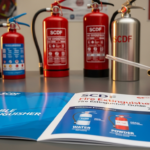
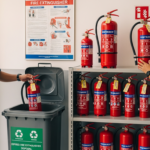
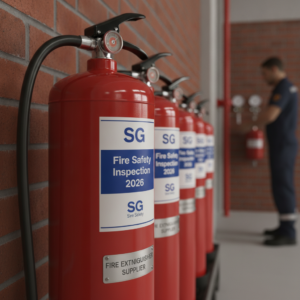
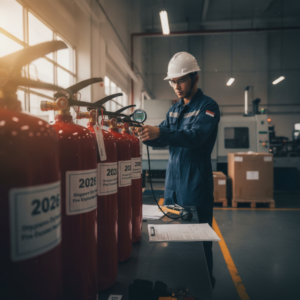
- Fire extinguishers: coordinate servicing schedules and ensure extinguisher readiness. For guidance on portable units and inspection best practices, refer to the portable fire extinguisher guide and maintenance resources available.
- Emergency lighting and signage: these often share power circuits or are triggered by alarm events.
- Fire drills and staff training: test occupant response when alarms are serviced or during planned tests.
Useful resources on extinguisher care and disposal include a fire extinguisher maintenance guide, dry powder essentials and safe disposal tips. Anchors to learn more:
- Read the portable fire extinguisher guide for practical advice: portable fire extinguisher guide
- For inspection and compliance specifics on extinguisher servicing see: fire extinguisher maintenance
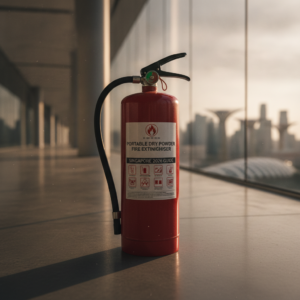
- Dry powder extinguisher users should review key safety points at: dry powder essentials
- For end-of-life procedures and safe disposal consult: fire extinguisher disposal tips
These links provide practical, local guidance that complements alarm and inspection programs.
Selecting the right contractor or service partner
Choose partners who offer:
- Clear, itemised service contracts and transparent pricing
- Digital reporting and a track record with modern alarm platforms
Ask potential contractors for sample reports, references from similar buildings and their policy for emergency call-outs.
Recordkeeping and audit readiness
Good records are as important as physical maintenance. Maintain:
- A logbook of inspections, test results and repairs
- Digital backups of certificates and event logs
- Service contracts and technician qualifications
- Actionable timelines for corrective work
Cost considerations and budgeting
Maintenance costs vary by system size, age and technology. To budget effectively:
- Treat maintenance as an investment into reliability and insurance of continuity
- Plan for periodic component replacement (detectors, batteries, sounders) rather than only emergency fixes
- Consider subscription models for remote monitoring that can reduce on-site visits
A life-cycle strategy often reduces total cost of ownership compared with repeated reactive repairs.
Putting it together: a sample maintenance plan
- Daily/weekly: On-site visual checks by facilities staff
- Monthly: Sample detector functional tests and panel status review
- Quarterly: Technician inspection of zones, sounders and battery checks
- Annually: Full system servicing, load testing of batteries, calibration where required
- Ongoing: Keep digital records, update contractors and maintain staff training and drills
Conclusion
Effective fire safety inspection and fire alarm maintenance in Singapore is a combination of routine checks, licensed technical servicing and modern practices like remote monitoring and analytics. By adopting structured inspection checklists, working with accredited contractors and keeping accurate records, building owners and managers can ensure compliance, reduce false alarms and improve occupant safety.


No comment yet, add your voice below!