

Why 2026 matters for fire extinguisher compliance
Singapore’s fire safety landscape continues to evolve. Increased digital recordkeeping, heightened enforcement, and clearer expectations around servicing mean that good practices are no longer optional — they reduce disruption, liability and potentially fines.
Understanding the fire extinguisher expectations
This means:
- Visible, accessible, and correctly sited extinguishers.
- Regular visual checks and functional servicing by qualified personnel.
- Clear, up-to-date inspection tags and records for every extinguisher.
While precise statutory intervals can depend on the building type and extinguisher model, industry best practice in Singapore normally includes monthly visual checks by in-house staff and an annual service by an accredited servicing company. For specialised maintenance (such as hydrostatic testing), manufacturers’ recommendations and applicable standards determine frequency, with some types typically tested at multi-year intervals.
Monthly routine checks: what every premises should do
Monthly checks are the frontline of defence against extinguisher failure during an incident. These quick inspections take minutes and can prevent many common problems.
Checklist for monthly visual checks:
- Is the extinguisher in its designated location and unobstructed?
- Is the pressure gauge in the green (or is the indicator correct for the model)?
- Is the tamper seal intact and the inspection tag present?
- Are hoses, nozzles and labels intact and legible?
- Any signs of corrosion, dents, or leakage?
Document these checks in a simple log. Many organisations now use QR codes on extinguisher tags to link directly to a digital history, making records easier to maintain and present during a formal fire safety inspection.
Annual servicing and qualified providers
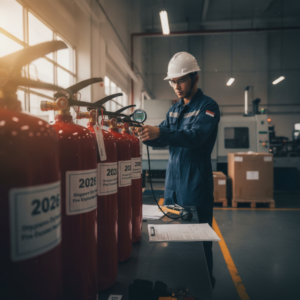
Annual servicing by a qualified servicing firm is the most important maintenance milestone. This service typically includes a full functional check, internal inspection as needed, topping up or refilling, replacement of faulty parts, and re-tagging.
When choosing a servicing provider, look for accredited companies with transparent records and traceable certificates. For bundled solutions — for example, combined alarm and extinguisher maintenance — many businesses prefer providers that can manage both systems to streamline scheduling and documentation. See options for combined maintenance and disposal services at this fire alarm maintenance resource: https://nationalcitycorporation.sg/singapore-fire-alarm-maintenance-and-extinguisher-disposal/.
Preparing for fire safety inspection: practical steps
Preparation reduces risk and helps your premises demonstrate compliance quickly.
Key preparation steps:
- Maintain an up-to-date log of monthly checks and annual services. Digital logs are easier to present.
- Ensure all extinguishers have valid service tags and the servicing company’s contact details.
- Verify extinguisher siting and signage meet building and safety code guidance.
- Conduct internal mock inspections with the facility team.
If you need a full servicing and inspection package, consider providers that specialise in both extinguisher servicing and fire safety inspection services: https://nationalcitycorporation.sg/fire-extinguisher-servicing-fire-safety-inspection-singapore/.
Types of extinguishers and correct use (brief overview)
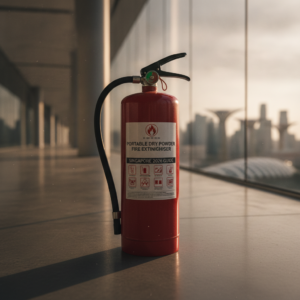
Different extinguisher types are designed for different fires — water, foam, CO2, dry powder (ABC), and wet chemical are the common classes. Make sure the extinguishers provided are appropriate for the hazards in each area (kitchens, electrical rooms, workshops). Incorrect selection or placement is a common finding during inspections.
Training staff on basic extinguisher use and ensuring clear signage is essential. Practical, hands-on refresher training reduces panic and improves response effectiveness during a small fire.
Common defects found during inspections and how to avoid them
- Missing or illegible service tags
- Low or incorrect pressure readings
- Corrosion, dents, or damaged hoses/nozzles
- Extinguishers blocked by storage or furniture
- Extinguishers not suitable for the hazard
Addressing these proactively — through monthly checks, scheduled annual servicing, and prompt replacement of defective units — keeps your premises inspection-ready.
Records, digital trends and traceability
A growing trend in 2026 is the adoption of digital maintenance records and QR-coded tags for each extinguisher. Digital records make it easy to:
- Track warranty and service intervals
- Schedule imminent servicing automatically
Many service providers now include a digital portal or app as part of their offering. If your portfolio of properties is large, centralised dashboards save time and reduce missed servicing deadlines. For information on market-leading suppliers and servicing options in Singapore, review this supplier guide: https://nationalcitycorporation.sg/best-fire-extinguisher-supplier-and-servicing-singapore/.
Cost considerations in 2026
Servicing costs have been influenced by inflation, supply chain costs and new technological options (like IoT-enabled monitoring). Typical budgets should include:
- Annual servicing fees per unit
- Replacement costs for units reaching end-of-life or failing inspection
- Periodic hydrostatic testing or specialised servicing
- Training and recordkeeping solutions
To get a sense of current servicing price ranges and what influences them, see estimates and factors affecting costs here: https://nationalcitycorporation.sg/2026-fire-extinguisher-servicing-cost-singapore/.
When conducts an inspection: what inspectors look for
For extinguishers, inspectors typically check:
- Adequate coverage for the hazard types and floor area
- Correct siting, signage and accessibility
- Valid service tags and maintenance logs
- That monthly checks and annual servicing are performed
Failure to meet requirements can result in enforcement actions or notices. Good housekeeping and consistent documentation usually prevent these outcomes.
Advanced options: monitoring and integration
Larger buildings and critical facilities are increasingly using IoT sensors and networked monitoring for fire protection assets. Sensors can detect pressure loss or tampering and send alerts to facilities teams. When paired with fire alarm systems and building management software, this approach shortens response times and bolsters readiness.
If integrated maintenance is your goal, many vendors offer combined alarm and extinguisher service contracts and lifecycle management solutions, which simplifies vendor management and ensures consistent documentation: https://nationalcitycorporation.sg/singapore-fire-alarm-maintenance-and-extinguisher-disposal/.
Sample fire extinguisher inspection checklist (practical)
- Location and signage: extinguisher visible and accessible
- Tagging: valid service tag and clear servicing company details
- Pressure: gauge or indicator shows normal range
- Physical condition: no leaks, dents, corrosion or loose parts
- Hoses/nozzles: present and unobstructed
- Extinguisher type: appropriate for the area
- Records: monthly checks and last annual service documented
Selecting the right servicing partner
Choose a partner who provides:
- Accredited, experienced technicians
- Clear pricing and transparent service reports
- Digital records and QR-tagging options
- Combined alarm and extinguisher servicing if needed
Working with a single, reliable supplier reduces administrative overhead and helps ensure consistent compliance. For supplier comparisons and service capabilities, consult a local specialist: https://nationalcitycorporation.sg/best-fire-extinguisher-supplier-and-servicing-singapore/.
Quick action plan for building managers (30–60 day roadmap)
- Day 1–7: Audit existing extinguishers and tags; document gaps
- Day 8–21: Schedule annual servicing for overdue units
- Day 22–35: Implement monthly check regime and log system (consider digital)
- Day 36–60: Train staff on basic use and evacuation roles; review alarm-extinguisher integration options
Following this roadmap will significantly reduce inspection risk and improve overall safety readiness.
Final notes on compliance and continuous improvement
Embracing simple habits — monthly checks, reliable annual servicing, accurate records and modern digital aids — is the most effective strategy. In 2026, the smart adoption of technology and partnering with reputable service providers help Singapore organisations stay compliant and safe.
For combined servicing, maintenance options, and to explore current market pricing and packages, see bundled servicing and cost guides: https://nationalcitycorporation.sg/fire-extinguisher-servicing-fire-safety-inspection-singapore/ and https://nationalcitycorporation.sg/2026-fire-extinguisher-servicing-cost-singapore/.
Stay proactive: well-maintained extinguishers save property and lives, and clear documentation keeps your premises inspection-ready.

No comment yet, add your voice below!