

Why fire alarm maintenance and fire safety inspection matter in Singapore
Singapore’s built environment is dense, highly regulated, and subject to strict fire safety standards.
A well-maintained alarm system reduces false alarms, improves detection speed and increases the reliability of building evacuation procedures. Combined with thorough fire safety inspections, you lower insurance premiums, reduce business disruption and demonstrate due diligence to regulators.
What is involved in fire alarm maintenance?
Fire alarm maintenance covers routine tasks that keep the system functioning reliably. Typical activities include:
- Visual inspection of control panels, status LEDs and wiring runs.
- Functional testing of smoke detectors, heat detectors, manual call points and sounders.
- Battery and power supply checks, including UPS or backup generator interfaces.
- Cleaning sensors and ensuring detector placement is unobstructed.
- Software or firmware updates for intelligent alarm systems.
- Log updates and certification by a qualified technician.
For an overview of integrated services and how portable suppression pairs with alarm upkeep, see a practical resource on fire alarm maintenance with portable extinguishers: https://nationalcitycorporation.sg/fire-alarm-maintenance-with-portable-fire-extinguisher-2026/.
Fire safety inspection: scope and frequency
A fire safety inspection is broader than alarm maintenance. Inspectors review the building’s overall fire protection strategy, including alarms, suppression systems, escape routes, signage and firefighting equipment. Key elements examined during an inspection:
- Condition and accessibility of escape routes and emergency exits.
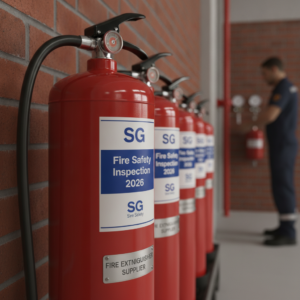
- Presence and condition of portable fire extinguishers and their servicing records.
- Electrical hazards, storage of combustible materials and housekeeping practices.
- Training records for fire wardens and emergency responders.
The frequency varies: alarm system maintenance typically occurs quarterly or biannually depending on system complexity, while full fire safety inspections are often done annually or more frequently for high-risk premises. For the latest inspection frameworks and protection systems, review the 2026 inspection guidance: https://nationalcitycorporation.sg/2026-singapore-fire-safety-inspection-and-protection-system/.
Legal and regulatory context in Singapore
Non-compliance can result in fines, closure orders, or liability in the event of an incident. Building owners must ensure that:
- Fire alarm systems are installed, maintained and tested by qualified technicians.
- Records of maintenance and inspections are kept and available for audits.
- Firefighting equipment, including portable extinguishers, is serviced and replaced when due.
Practical checklist for effective fire alarm maintenance
Follow this concise checklist to keep your alarm system healthy:
- Maintain an equipment inventory and drawing showing device locations.
- Schedule functional tests for detectors, manual call points and sounders.
- Clean detectors using manufacturer-recommended methods — dust and paint are common causes of failure.
- Replace batteries and components before end-of-life to avoid unexpected faults.
- Keep firmware/software updated for networked systems.
- Test remote monitoring, paging and integration with elevators and HVAC shutdowns.
- Log every service visit with signatures, test results and recommended corrective actions.
Common faults and how to prevent them
Understanding typical failure modes helps target maintenance:
- False alarms: Often caused by dust, construction activities or placement too close to kitchens. Prevention: relocate detectors where feasible and use appropriate detector types.
- Power failures: Caused by poor battery maintenance or faulty wiring. Prevention: regular battery tests and periodic mains checks.
- Network issues in addressable systems: Caused by cable faults or configuration drift. Prevention: perform continuity tests and maintain network diagrams.
- Corroded or damaged detectors: Common in humid or industrial environments. Prevention: select detectors rated for environment and schedule more frequent inspections.
Integrating portable fire extinguisher management
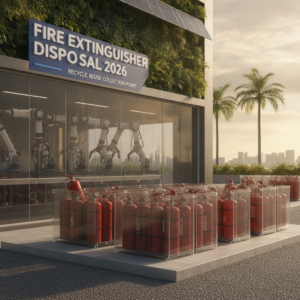
Portable extinguishers are the first line of defence in many fire scenarios. Maintenance of alarms should be coordinated with extinguisher servicing, replacement and disposal plans. For trusted supplier and replacement options in Singapore, consult: https://nationalcitycorporation.sg/singapore-fire-extinguisher-supplier-and-replacement-2026/. For safe disposal and end-of-life handling, see guidance here: https://nationalcitycorporation.sg/singapore-fire-extinguisher-supplier-and-safe-disposal/.
Coordinated management ensures that alarms alert occupants while extinguishers provide immediate suppression capability for small fires.
Choosing a service provider in Singapore
Selecting the right contractor affects compliance and system reliability. Look for:
- Experience with the specific brand and technology of your alarm system.
- Clear maintenance schedules and reporting templates.
- Insurance and warranties for workmanship.
- Transparent pricing and emergency response provisions.
Ask for references and sample maintenance logs. An experienced supplier can also help you streamline replacement cycles for both alarm components and portable extinguishers.
Cost considerations and return on investment
Budgeting for fire alarm maintenance and inspections should be seen as risk mitigation, not just an operational cost. Typical cost drivers include system complexity, number of devices, frequency of visits and the need for specialised testing (e.g., smoke chamber testing for aspirating systems).
ROI comes from reduced downtime, fewer false evacuations, lower insurance premiums and avoidance of fines. In many cases, proactive replacement of near-end-of-life detectors is cheaper than emergency callouts and system downtime.
Trends: smart alarms, remote monitoring and predictive maintenance
Adoption of IoT-enabled detectors, cloud-based monitoring and predictive analytics is growing in Singapore. These technologies allow:
- Remote health checks and automatic alerts for device faults.
- Centralised monitoring across multiple properties.
- Data-driven scheduling of maintenance (predictive maintenance), which reduces unnecessary site visits and targets only devices likely to fail.
Fire safety inspection: the on-site process
A typical inspection day includes:
- Opening meeting with building management to review recent incidents and maintenance logs.
- Walkthrough of escape routes, detection zones and mechanical spaces.
- Spot checks of extinguishers, hydrant systems and suppression systems.
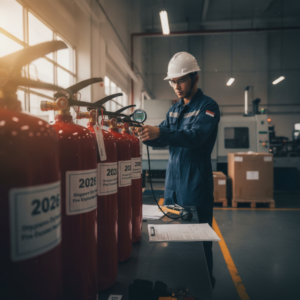
- Sampling of detectors for functional testing and witness tests of alarm annunciation.
- Closing meeting with a summary of deficiencies and suggested remedial actions.
Maintaining inspection records and acting promptly on defects demonstrates responsible management and supports rapid re-inspection.
Recordkeeping and documentation best practices
Good records make audits straightforward and improve long-term safety outcomes. Maintain:
- A centralised maintenance log with dates, technician names and test results.
- Certificates of compliance, component invoices and replacement records.
- A risk register describing any recurring faults and mitigation plans.
Digitising records and using a CMMS (computerised maintenance management system) can save time and make regulatory reporting easier.
Final checklist before an inspection
- Ensure alarm system logs and maintenance reports are up-to-date.
- Verify portable extinguishers are tagged, serviced and correctly placed.
- Confirm escape routes are unobstructed and signage is lit.
- Test critical detectors and ensure power backups are functional.
- Review staff evacuation drills and fire warden training records.
Summary
Consistent fire alarm maintenance paired with comprehensive fire safety inspection forms the backbone of any robust fire safety programme in Singapore. Regular testing, clear documentation, and coordinated maintenance of alarms and portable extinguishers reduce risk, support compliance, and protect people and property. For specific supplier, replacement and disposal pathways tied to your maintenance plan, review reputable local resources and vendors to align operations with 2026 best practices: https://nationalcitycorporation.sg/singapore-fire-extinguisher-supplier-and-replacement-2026/.
Adopt a proactive approach: schedule regular maintenance visits, keep inspection records current, and consider smart monitoring technologies to move from reactive fixes to predictive, data-driven safety management.


No comment yet, add your voice below!