

Why timely fire extinguisher replacement matters in Singapore
Fire safety is non-negotiable in a compact, high-density city-state like Singapore. A well-maintained and correctly selected portable fire extinguisher can stop a small ignition from becoming a building-wide emergency. But extinguishers are not set-and-forget devices: they need regular inspections, servicing, and eventual replacement.
Understanding the lifecycle: when to repair, recharge or replace
Portable extinguishers typically follow a predictable lifecycle that depends on type, manufacturer recommendations and statutory inspection requirements. Common triggers for replacement include:
- Expiry of serviceable life or manufacturer’s recommended replacement period.
- Failure in hydrostatic tests (for certain types like stored-pressure water and CO2 cylinders).
- Physical damage, corrosion, or compromised pressure gauges.
- Contamination or compromised extinguishing agent after use.
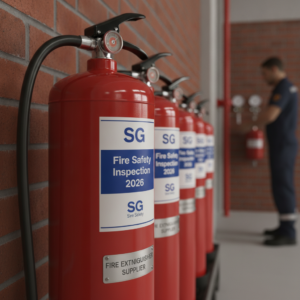
Annual inspection by a qualified provider is standard practice.
Types of extinguishers and replacement nuances
Selecting the correct class of extinguisher affects replacement and maintenance needs:
- Water (Class A): Simple construction; watch for corrosion and pressure issues.
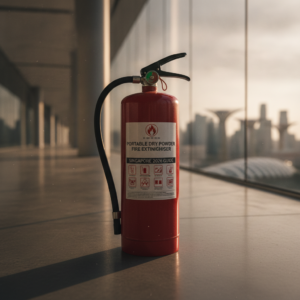
- Dry Chemical (ABC/BC): Widely used in commercial spaces; after discharge they require recharge or replacement of the cylinder and agent.
- CO2 (Class B & electrical): Requires periodic hydrostatic testing and careful handling due to cylinder high pressure.
- Wet Chemical (Class F): Used in kitchens; contamination after use typically requires full replacement or professional servicing.
A reputable fire extinguisher supplier will advise on the right agent and lifecycle considerations for your specific environment.
Choosing a reliable fire extinguisher supplier in Singapore
Not all suppliers offer the same level of service. When assessing vendors, look for:
- Qualified technicians and documented service history with tamper-evident tags.
- Clear guidance on safe disposal and responsible recycling of used or end-of-life units.
- Transparent pricing for purchase, installation, testing, and recurring maintenance.
- After-sales support, including training and emergency replacement availability.
For supplier options that combine inspection and responsible end-of-life handling, explore resources like Singapore fire extinguisher supplier and inspection 2026.
Steps for a smooth fire extinguisher replacement process
- Audit your assets: catalogue extinguisher types, locations, last-serviced dates and expiry where applicable.
- Prioritise high-risk areas (kitchens, plant rooms, data centres) for immediate review.
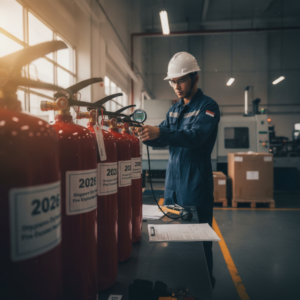
- Arrange a licensed inspection and obtain a clear condition report.
- Decide on repair, recharge or full replacement based on the report and manufacturer guidance.
- Schedule professional installation and ensure new units are correctly positioned and signed.
- Update your fire safety log and asset register with service tags and test dates.
If you need a full end-to-end service that covers inspection through replacement, consider vendors that detail integrated protection approaches such as the 2026 Singapore fire safety inspection and protection system.
Regulatory compliance and documentation
Singapore’s fire safety ecosystem emphasizes documentation and traceability. Keep the following on record:
- Annual inspection certificates and service reports.
- Hydrostatic test dates where applicable.
- Replacement invoices and waste disposal receipts.
- On-site signage and extinguisher location plans.
Safe disposal and environmental considerations
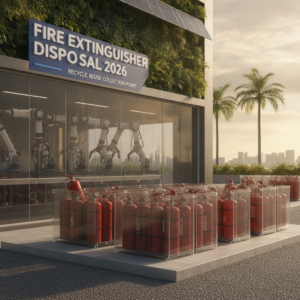
Expired or decommissioned extinguishers are pressurised containers and often contain chemical agents; they must not be thrown into general waste streams. Proper disposal includes depressurisation, segregation of agent, and recycling of metal components through approved channels. For guidance on end-of-life handling, review options via fire extinguisher safe disposal.
Training, placement and accessibility — not just equipment
An extinguisher is only useful if occupants know how to use it and can reach it quickly. Best practices include:
- Strategic placement so that travel distance to an extinguisher is minimised.
- Mounting at visible, accessible heights and clear signage.
- Basic, periodic hands-on user training for staff, focused on PASS technique (Pull, Aim, Squeeze, Sweep).
- Simulated drills that integrate extinguisher use with alarm and evacuation procedures.
Some suppliers include user training and integration with fire alarm systems; see approaches that combine portable equipment with alarm maintenance at fire alarm maintenance with portable fire extinguisher 2026.
New trends: digital tagging, IoT monitoring and eco-friendly agents
As facilities and FM practices modernise, several trends are shaping how organisations manage extinguishers:
- Digital service records and QR codes on each unit that link to current certification and history.
- IoT-enabled status sensors reporting pressure anomalies or tamper events to facilities dashboards.
- Eco-friendlier extinguishing agents that balance effectiveness with reduced environmental impact.
- Vendor portals offering automated inspection reminders and compliance reports to simplify audits.
When discussing replacements with suppliers, prioritise partners that support digital traceability and can demonstrate modern maintenance workflows.
Cost considerations and budgeting for replacement
Budgeting for replacements requires factoring initial purchase cost, installation, disposal and recurring maintenance. Typical budgeting steps:
- Produce an asset inventory and estimate replacement counts by extinguisher type.
- Obtain quotes that itemise supply, installation and disposal fees.
- Factor in annual inspection and hydrostatic testing cycles as operational costs.
- Consider bundling training and digital record services to reduce long-term admin overhead.
A trusted supplier will provide a clear Total Cost of Ownership (TCO) and help prioritise replacements by risk.
Practical checklist before finalising a supplier
- Request references or case studies of similar Singapore properties.
- Verify warranty terms and emergency replacement SLAs.
- Ensure the supplier provides safe disposal documentation for decommissioned units.
- Ask about digital record access and training options.
For a supplier that addresses inspection, installation and end-of-life responsibilities, review combined service offerings at Singapore fire extinguisher supplier and inspection 2026.
Final steps: scheduling replacement and continuous improvement
Once replacements are scheduled: track the work in your asset register, confirm post-installation inspection certificates, and update evacuation plans if extinguisher locations change. Establish a continuous improvement rhythm by reviewing incident data, refresher training frequency, and technology upgrades annually.
For guidance that covers inspection, replacement and broader protection strategies, consult integrated resources like 2026 Singapore fire safety inspection and protection system, and always verify disposal practices through fire extinguisher safe disposal.
Closing summary
Selecting the right fire extinguisher supplier and managing timely fire extinguisher replacement are core components of a resilient fire safety strategy in Singapore. Combine regulatory compliance, proper selection, modern maintenance practices and responsible disposal to keep occupants and assets protected. Partner with suppliers who provide transparent documentation, qualified technicians and digital record-keeping to reduce risk and simplify compliance in 2026 and beyond.


No comment yet, add your voice below!