

Why choosing the right fire extinguisher matters in Singapore 2026
A fire extinguisher is often the first line of defence against small fires. In Singapore’s dense urban environment, where mixed-use buildings, shophouses, industrial sites and HDB flats sit close together, the right choice of extinguisher can prevent a small incident from becoming a major disaster.
This article explains key extinguisher types, how they fit into a broader singapore fire protection system, compliance and maintenance essentials, disposal guidance, and practical tips for choosing the best solution for your premises.
Fire extinguisher types and where to use them
Understanding extinguisher classes and agents is the foundation of correct selection. Below are the common types available in Singapore and typical use cases:
-
Water (Class A): Best for ordinary combustibles like paper, wood and textiles. Not suitable for electrical fires or cooking oil fires. Use in storage rooms and offices where only Class A risks exist.
-
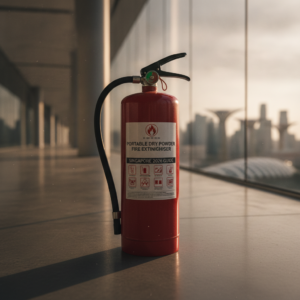
Dry Powder (ABC/BC): Versatile for Class A, B (flammable liquids) and C (gases) depending on formulation. Common in workshops and vehicles. Note: dry powder leaves a residue that can damage electronics and is messy to clean.
-
Carbon Dioxide (CO2): Effective for electrical fires (Class E) and liquid fires. Leaves no residue, making it suitable for server rooms and electrical panels. Limited reach and short discharge time are trade-offs.
-
Foam (AFFF): Works on Class A and B fires and forms a film to suppress vapours from flammable liquids. Ideal for chemical storage or areas with fuel hazards.
-
Wet Chemical: Specifically designed for cooking oil and fat fires (Class F). A kitchen in a restaurant, hawker centre or commercial kitchen should use wet chemical extinguishers.
-
Clean agents (e.g., FM-200 alternatives): Used in sensitive areas like data centres where residue-free suppression is required. Check environmental and regulatory considerations before selection.
When making a choice, match the agent to the hazard. Using the wrong extinguisher (for example, water on a grease fire) can escalate the incident.
Incorporating extinguishers into a singapore fire protection system
A singapore fire protection system is more than individual extinguishers — it’s a coordinated infrastructure of alarms, suppression, detection and evacuation measures. Extinguishers should be part of a documented fire safety plan that considers:
- Hazard mapping and extinguisher distribution
- Clear signage and unobstructed access
- Integration with fire alarm and detection systems
- Roles for trained fire wardens and occupants
For facilities that need coordinated maintenance between extinguishers and alarms, consider professional support for both appliance servicing and system-level checks.
Compliance, servicing and maintenance essentials
Singapore’s fire safety framework requires regular inspection, maintenance and record-keeping. Key points for 2026:
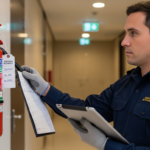
- Monthly visual checks: Ensure gauges, seals and accessibility are OK.
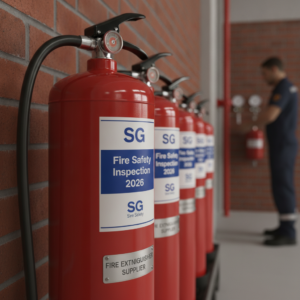
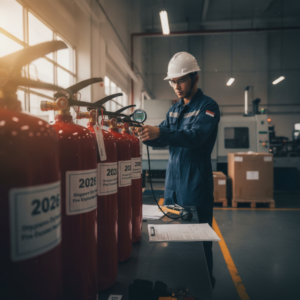
- Annual professional servicing: Technicians perform pressure tests, refill agents, replace faulty components and update tags.
- Hydrostatic testing: Certain extinguisher types require periodic pressure testing to ensure cylinder integrity.
- Records: Maintain service logs to demonstrate compliance during audits or incidents.
Use licensed service providers for statutory checks.
Disposal and end-of-life considerations
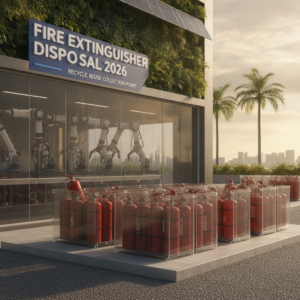
Expired or damaged extinguishers must be disposed of correctly. Improper disposal can be hazardous — cylinders may still contain pressure or toxic agents. Follow a safe disposal workflow:
- Depressurise cylinders safely by trained technicians
- Segregate agents (powder, CO2, wet chemical) for appropriate handling
- Recycle metal parts where possible
- Use regulated disposal channels for any hazardous remnants
If you’re managing a facility upgrade or removing old appliances, follow the local disposal guide to ensure legal and safe removal: https://nationalcitycorporation.sg/singapore-fire-protection-extinguisher-disposal-guide-2026/.
Placement, signage and accessibility best practices
Strategic placement improves response time and effectiveness. General best practices:
- Mount extinguishers along escape routes and near probable ignition sources
- Keep them within 1–1.5 metres of floor level for portability and visibility, depending on building code guidance
- Provide clear signage and unobstructed access at all times
- Place wet chemical units near fryers and kitchen appliances; do not store them in confined mechanical rooms where access is restricted
A well-placed extinguisher within a singapore fire protection system complements automatic detection and suppression — it provides localised response before full evacuation or sprinkler activation becomes necessary.
Trends shaping extinguisher choices in 2026
Several trends are influencing selection and use of extinguishers in Singapore:
-
Smart monitoring: IoT-enabled cylinders and cabinet sensors that report tamper alerts, pressure drops and expiry dates remotely. This reduces missed inspections and improves readiness.
-
Eco-friendly agents: With environmental awareness rising, some sectors are moving toward low-global-warming-potential agents and refillable systems.
-
Refillable and modular designs: Reduce long-term waste and lifecycle costs for corporates and large facilities.
-
Integrated service contracts: More building owners opt for bundled maintenance contracts that cover extinguishers, alarms and sprinklers for simplified compliance.
When specifying equipment, balance upfront cost with lifecycle maintenance, environmental impact and integration needs.
Choosing for different premises: practical recommendations
-
HDB apartments and condos: Keep a portable powder or CO2 extinguisher in the kitchen, but prioritise wet chemical if you do a lot of high-temperature frying. Always follow building management rules for common areas.
-
Small businesses and offices: A mix of ABC powder for general areas and CO2 for server/IT rooms is common. Ensure staff are trained and that cabinets are clearly visible.
-
Restaurants and commercial kitchens: Wet chemical extinguishers are essential for cooking oil fires; consider automatic suppression over stoves where required by code.
-
Workshops and garages: BC or ABC powder, plus foam for any liquid fuel hazards. Regular servicing is critical because of dust and corrosive environments.
-
Data centres and labs: Clean agents or inert gas systems paired with CO2/clean agent handhelds for specific hazards; residue-free suppression preserves equipment value.
Practical checklist for selection and compliance
- Identify hazards and classify risks (A, B, C, E, F)
- Match extinguisher type to hazard; avoid risky combos (water on oil/electrical)
- Ensure monthly visual checks and annual professional servicing
- Record service history and hydrostatic test dates
- Plan safe disposal for end-of-life units
- Consider smart monitoring and integrated maintenance contracts to reduce administrative burden
Final considerations: balancing safety, cost and sustainability
Selecting the right fire extinguisher for your singapore fire protection system is a balance between risk mitigation, regulatory compliance and practical concerns such as maintenance and disposal. Investing in the correct agent, placing units strategically, and scheduling professional servicing will keep your property safer and reduce long-term costs.
If you manage a portfolio of properties or are upgrading a single site, coordinate extinguisher choices with alarm and suppression system plans.
Choosing wisely today — considering 2026 trends like smart monitoring and eco-friendly agents — means better protection, faster response and easier compliance tomorrow.

No comment yet, add your voice below!