

Why this guide matters in 2026
Singapore’s built environment and commercial activities demand rigorous fire safety management. Two tasks often overlooked until there’s an incident are regular fire extinguisher servicing and safe, compliant fire extinguisher disposal. This guide explains how to keep portable extinguishers reliable, meet regulatory expectations, and responsibly retire units at end-of-life.
Understanding fire extinguisher servicing
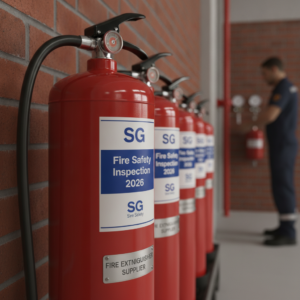
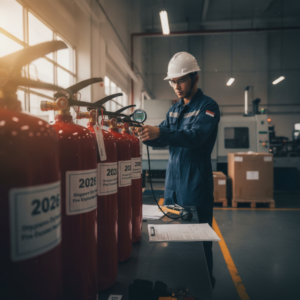
Fire extinguisher servicing is more than a quick look-over. It’s a planned maintenance process that restores a unit to operational condition and records its fitness for use. Servicing typically involves pressure checks, refills or replacements of extinguishing agents, verification of mechanical parts (hoses, nozzles, seals), and ensuring tamper seals and gauges function.
Key points every Singapore property manager should know:
- Frequency: Most portable extinguishers require a monthly visual check by site personnel and an annual inspection/servicing by a competent technician. Manufacturers’ recommendations and the specifics of the extinguisher type may adjust this schedule.
- After-use servicing: Any extinguisher that has been discharged must be serviced immediately, recharged or replaced before returning to service.
- Documentation: Maintain a service log with dates, work done, replacement parts, and the technician’s details. This record is essential for audits and insurance claims.
For a practical supplier and inspection perspective, consult a comprehensive inspection guide to help choose and evaluate service partners: fire extinguisher servicing.
Legal and compliance considerations in Singapore
Singapore’s fire safety framework emphasises prevention, detection, and preparedness. Building owners and responsible persons must ensure all fire protection equipment is maintained in working order.
Typical servicing steps — what technicians do
A standard annual or after-use servicing will generally include:
- Full visual inspection for corrosion, dents, leaks, or damage.
- Pressure gauge check and hydrostatic testing when due (as per manufacturer intervals).
- Replacement or refilling of agent (dry powder, CO2, foam, wet chemical) where necessary.
- Verification of hose/nozzle integrity and that operating levers and pins move freely.
- Re-pressurisation, re-sealing, re-labelling, and tagging with the service date.
- Updating the service log and issuing a compliance certificate where required.
Technicians may also advise on extinguisher placement, suitability for the fire risk, and replacement if a unit is obsolete or beyond repair.
Choosing a competent service provider
Select a provider that demonstrates technical competence, transparent pricing, and traceable records. Modern best practice includes digital tagging or QR-code linked service histories and reminders—useful for multi-site operations.
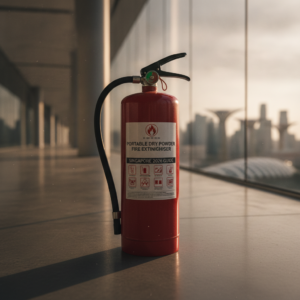
If you are comparing options or selecting a replacement product, see expert reviews and product recommendations such as the best portable dry powder fire extinguisher.
What to do when an extinguisher is used, damaged or expired
- Isolate the used or damaged extinguisher from service immediately.
- Do not attempt to reuse or refill on-site unless you are trained and authorised.
- Contact an authorised service provider for assessment—most companies will pick up used units and either recharge or classify them for disposal.
- Keep a temporary replacement in place to maintain required coverage until servicing or replacement is completed.
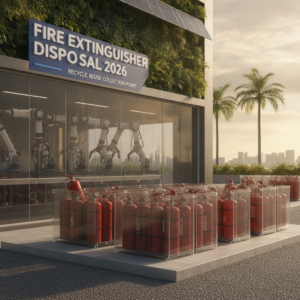
Fire extinguisher disposal: why it’s not as simple as binning it
Fire extinguishers are pressurised vessels containing gases or chemicals that can be hazardous if punctured, incinerated or disposed of improperly. Different extinguishing agents have different environmental and safety implications:
- CO2 extinguishers contain compressed gas under pressure and must be depressurised safely by trained personnel prior to disposal.
- Dry powder units contain fine particulate agents that can be dusty and may require containment.
- Foam and wet chemical agents are liquid-based and may need to be segregated as chemical waste depending on volume and concentration.
- Halon (older systems) is ozone-depleting and subject to strict regulation; it requires specialist handling.
Never attempt to puncture, crush, or incinerate an extinguisher. Doing so risks explosion, release of hazardous substances, and regulatory breaches.
For specific disposal pathways and recommended contractors in Singapore, consult an industry-focused guide on extinguisher retirement: fire extinguisher disposal.
Safe disposal workflow (recommended practice)
- Identify: Confirm extinguisher type, agent, serial number and reason for disposal (expired, failed hydrostatic test, damaged beyond repair).
- Isolate and label: Mark the unit as ‘Out of Service’ and store it in a secure area away from heat and high foot traffic.
- Engage a specialist: Use a licensed service provider to depressurise, recover any reusable agent, and classify waste.
- Documentation: Obtain a disposal certificate or manifest that records the transfer to an authorised waste handler.
- Replace: Ensure a functional extinguisher occupies the vacated location to maintain required protection levels.
These steps reduce risk, ensure legal compliance, and provide audit-ready records.
Environmental and trend considerations for 2026
- Circular economy options: Some service providers now recover and recycle metals and separate agents for proper treatment. Ask about recycling and material recovery when disposing of units.
- Digital maintenance: QR-code tagging, cloud-based service logs, and automated reminders are becoming standard—these tools reduce missed inspections and help demonstrate due diligence.
- Greener agents and equipment: Manufacturers are innovating with lower-environmental-impact agents and more recyclable cylinder materials. When replacing units, consider lifecycle impacts as well as performance.
Typical costs and budgeting
Costs vary by extinguisher type, service scope, and market rates. Expect:
- Monthly visual checks: internal staff time cost (minimal) or low-cost contracted visits.
- Annual servicing: a per-unit fee that depends on type (CO2 and foam can be costlier than dry powder) and whether recharge or parts are needed.
- Disposal and replacement: costs for specialist pickup and safe disposal, plus the capital cost of replacement units.
Budgeting for preventative maintenance reduces the risk of larger expenses from fines, failed insurance claims, or incident response.
Recordkeeping and audit readiness
Keep a centralised log of each extinguisher: location, type, serial number, installation date, service history, hydrostatic test dates, and disposal certificates. Digital logs with scanned service tags make audits straightforward and fast.
Practical checklist for facility managers (monthly to yearly)
- Monthly: Check gauges, seals, physical condition and placement.
- Annually: Engage a qualified technician for servicing and recharging where needed.
- Every hydrostatic interval: Schedule and complete hydrostatic testing as recommended by the manufacturer and service provider.
- After any use: Remove the unit from service and arrange immediate servicing or replacement.
- At end-of-life: Follow safe disposal workflow and obtain documentation.
Working with your fire safety provider — questions to ask
- Are you accredited or certified to service and dispose of extinguishers in Singapore?
- Do you provide digital service records and disposal certificates?
- How do you handle different agents (CO2, halon, dry powder, foam, wet chemical)?
- Can you provide emergency call-out service if an extinguisher is discharged during a fire event?
- What are your recycling and environmental disposal practices?
Final notes
Regular fire extinguisher servicing and safe disposal are integral to resilient fire safety programmes. By combining consistent maintenance, accurate records, and responsible end-of-life practices, Singapore organisations can meet regulatory expectations, protect occupants, and reduce environmental impact.


No comment yet, add your voice below!