

Introduction
Singapore’s fire safety landscape continues to evolve in 2026, with the Singapore Civil Defence Force (SCDF) reinforcing standards for portable firefighting equipment. For building managers, employers and homeowners, understanding SCDF fire safety expectations for a fire extinguisher is essential to protect lives, assets and to stay compliant. This checklist-style article brings together practical steps, regulatory highlights and maintenance best practices to help you manage extinguishers confidently.
Why SCDF fire safety matters for a fire extinguisher
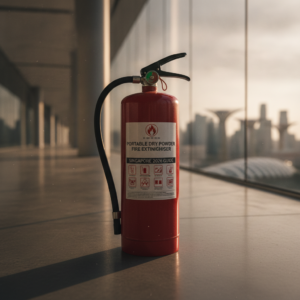
A properly maintained fire extinguisher can stop a small fire from becoming a disaster. SCDF fire safety rules drive uniform inspection cycles, correct placement and certified servicing so extinguishers function when needed. Non-compliance can lead to fines, insurance complications and, more importantly, increased risk of injury or property loss. The tips below align with current SCDF guidance and practical field experience.
Quick checklist overview (what this article covers)
- Correct extinguisher type for hazards
- Placement, visibility and mounting heights
- Monthly visual checks and annual servicing
- Hydrostatic testing and end-of-life handling
- Training, signage and recordkeeping
- Procuring compliant units and authorised service providers
Choosing the right fire extinguisher for your premises
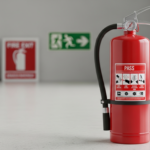
Selecting the correct extinguisher is the first safety decision. Common types in Singapore include water (for Class A), dry powder (ABC or BC), CO2 (for electrical fires) and foam (for flammable liquids). Match extinguisher type to hazard:
- Class A (combustibles): water or foam
- Class B (flammable liquids): foam or dry powder
- Class C (flammable gases): specialised agents
- Electrical fires: CO2 or dry powder (non-conductive)
For guidance on how to use portable units and selecting the right type, consult the SCDF portable extinguisher guide for proper use and selection: portable fire extinguisher guide.
Placement, coverage and accessibility
SCDF fire safety emphasizes that extinguishers must be strategically located so occupants can reach them quickly. Key placement rules:
- Position extinguishers along escape routes and at risk points (kitchen, generator rooms, workshops)
- Maximum travel distance to an extinguisher depends on hazard class — adhere to building-specific regulations
- Mounting height: typically 1.0–1.5 m to the handle for easy access (verify local guidance)
- Ensure clear signage and unobstructed access at all times
Visibility saves seconds during an emergency. Add photoluminescent signs in corridors and keep extinguishers away from high heat sources that could damage the cylinder.
Monthly visual checks — simple but critical
A monthly visual check is minimal but mandatory in practice:
- Verify pressure gauge is in green range
- Confirm pin and tamper seal are intact
- Inspect cylinder for dents, corrosion or obvious damage
- Ensure labels are legible and indicate type and rating
- Confirm proper mounting and clear access
Log each check with date, inspector name and observations. These simple checks catch problems early and are SCDF-recommended practice.
Annual servicing and safety inspection
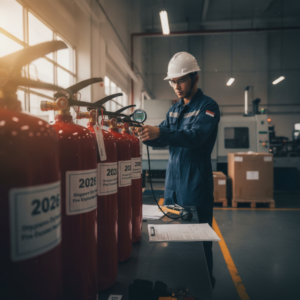
Annual servicing by an authorised technician is essential. Servicing includes checking internal components, valve operation, pressure, agent condition and recharging if needed. For professional servicing and inspection options aligned with 2026 SCDF expectations, consider extinguisher servicing and inspection.
What to expect from servicing:
- Full external and internal inspections (where applicable)
- Replacement of faulty valves, hoses or nozzles
- Recharging and pressure testing
- Recording of service date and next due date
- A service tag or certificate for compliance records
Only use authorised service providers — improper servicing can render an extinguisher unreliable.
Hydrostatic testing and end-of-life replacement
Metal cylinders require periodic hydrostatic testing to confirm structural integrity. Frequency depends on agent type and manufacturer recommendations; commonly every 5–12 years. If a cylinder fails hydrostatic testing or shows severe corrosion, it must be decommissioned and replaced.
Extinguishers also have a practical service life. Even with good maintenance, foam and dry powder agents can degrade. Refer to manufacturer guidance and SCDF updates for end-of-life criteria.
Training and competency for users
A fire extinguisher is only useful if someone knows how to operate it. SCDF fire safety programs emphasise basic hands-on training:
- PASS technique: Pull pin, Aim at base, Squeeze lever, Sweep side-to-side
- Identify the correct extinguisher for the fire type
- Evacuation priority — only attempt to fight small, contained fires
- Use full PPE where required and never fight fires that endanger life
Regular drills build confidence. Keep training records and refresh sessions annually or when staffing changes.
Recordkeeping and compliance documentation
Maintain a logbook or digital records for:
- Monthly visual checks
- Annual servicing certificates
- Hydrostatic test results
- Training attendance
- Purchase and disposal records
Good records demonstrate due diligence and simplify audits by authorities or insurers.
Procurement: buying compliant extinguishers in Singapore
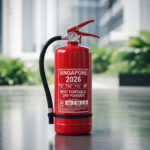
Buy from reputable vendors who supply SCDF-approved models and provide warranties and service plans. If you’re sourcing dry powder units or replacement cylinders, review approved suppliers. For curated options and local supply guidance, see: where to buy dry powder fire extinguisher.
When evaluating suppliers, check:
- Product conformity to local standards
- Availability of documentation and CE or equivalent markings
- On-site installation and tagging
- After-sales servicing and spare parts availability
Integration with alarm and protection systems
Extinguishers are one component of a broader fire safety system. SCDF guidance encourages integration: smoke detectors, alarm systems, sprinklers and portable extinguishers together reduce response times and damage. Coordinate maintenance schedules to ensure all systems are operational. For advice on alarm maintenance and integration, review: fire alarm maintenance and protection.
Common faults and troubleshooting
Be aware of issues that commonly arise:
- Low pressure (gauge in red): possible leak or lost charge
- Blocked or damaged nozzle: prevents proper agent discharge
- Corroded cylinder or damaged valve: compromises integrity
- Tamper or missing seals: may indicate previous discharge or tampering
Address faults immediately. Tag out-of-service units clearly and replace them until repaired by an authorised service provider.
SCDF 2026 regulatory updates to note
SCDF continues to refine expectations for equipment maintenance and competency. Recent 2026 updates highlight stricter documentation, clearer inspection intervals and emphasis on authorised servicing. To stay current with these updates, consult this resource summarising 2026 changes and how they affect businesses: SCDF 2026 updates.
Practical on-the-spot tips for occupants
- Know the location of the nearest extinguisher and the type.
- Never block access or store combustible materials in front of extinguishers.
- After any discharge, even partial, have the unit serviced — do not attempt to reuse without recharge.
- Keep extinguisher labels and operating instructions visible and legible.
Choosing a service partner and verification
Select a partner that provides:
- SCDF-aware technicians and documented procedures
- Transparent pricing for servicing, recharge and hydrostatic testing
- Clear service tags and digital records for compliance checks
A reputable provider should also offer inspection reminders and emergency support.
Final checklist (ready-to-print)
- [ ] Right extinguisher type installed for each hazard
- [ ] Extinguishers mounted, visible and signed
- [ ] Monthly visual checks recorded
- [ ] Annual servicing by authorised technician completed
- [ ] Hydrostatic testing carried out as required
- [ ] Training for staff and periodic drills scheduled
- [ ] Records up-to-date and stored securely
- [ ] Supplier and service provider verified
For additional operational guidance on portable extinguisher use, servicing and SCDF-recommended practices, consult the official portable extinguisher guidance and servicing resources linked throughout this article, including an in-depth portable use guide: portable fire extinguisher guide.
Closing notes
Maintaining SCDF fire safety standards for a fire extinguisher is not a one-off task — it’s an ongoing programme of checks, servicing, training and recordkeeping. With clear responsibilities, proper procurement and regular engagement with authorised service partners, you reduce risk and ensure extinguishers will operate reliably when every second counts. For practical servicing schedules and supplier options tailored to Singapore premises in 2026, explore local service and procurement links provided above and prioritise certified maintenance to meet SCDF expectations.

No comment yet, add your voice below!