

Why proper fire extinguisher disposal matters in Singapore
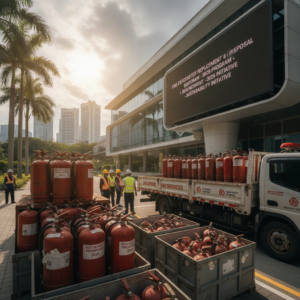
Portable fire extinguishers protect lives and property, but when they reach end-of-life they become an environmental and safety risk if handled incorrectly. In Singapore, following SCDF fire safety guidance and national waste rules is essential: discharged or damaged cylinders, foam agents with PFAS, dry chemical powders and pressurised CO2 cylinders all require specialist handling. This guide explains practical, up-to-date disposal steps for 2026, plus how to work with licensed contractors and protect your business during inspections.
Know what’s inside: common extinguisher types and disposal risks
- Dry powder (ABC/BC): inert chemically but dusty and irritant. Fine powder can contaminate ventilation and is best contained for professional disposal or recycling.
- CO2 cylinders: high-pressure cylinders that must only be depressurised by trained technicians; metal cylinders can be recycled once emptied and certified.
- Water and foam (including AFFF): may contain PFAS or surfactants; foam concentrates require careful treatment and must not be released into drains.
- Halon and legacy agents: older halon-based extinguishers are ozone-depleting and need specialised handlers; they are unlikely to be accepted by standard waste facilities.
Missteps such as DIY puncturing, discharging into drains, or leaving partially charged cylinders in storage increase risk and may breach regulations.
SCDF fire safety and regulatory expectations for disposal
SCDF’s remit is life and property safety; for fire safety equipment this means proper maintenance, clear labelling and using certified service providers for servicing and decommissioning. Businesses are expected to retain records of maintenance and disposal as part of regulatory compliance and fire audits. Disposal must also follow NEA and hazardous-waste rules where applicable.
Key expectations:
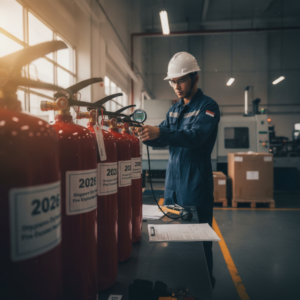
- Use SCDF-recognised servicing schedules for portable extinguishers (regular inspections and annual servicing where required).
- Engage licensed contractors for full disposal and recycling of pressurised cylinders.
- Keep disposal certificates and service logs for audits.
For trusted disposal and replacement services, consider specialist providers that handle collection, safe removal and documentation. For example, National City Corporation provides end-to-end options for fire extinguisher disposal.
When to dispose vs when to repair or service
Not every older or emptied extinguisher needs replacement. Assess by condition and service history:
- Replace if the shell is corroded, structurally damaged, or if internal components are compromised.
- Repair or recharge if only discharged but structurally sound and within the certified lifespan — only by a certified technician.
- Dispose if the extinguisher type is obsolete (e.g., halon) or if the cost of refurbishment exceeds replacement.
If uncertain, schedule a professional inspection. Many companies offer combined servicing and disposal packages to streamline compliance: see options for servicing and safe disposal.
Do NOT attempt DIY depressurisation or disposal
Common but dangerous DIY actions to avoid:
- Puncturing or cutting cylinders.
- Venting foam, powder or halon into open air or drains.
- Disassembling valves without proper tools and certification.
These actions risk injury and pollution, and can put you in breach of environmental and safety regulations. Always contact trained technicians who use the correct equipment and follow permits for hazardous materials.
Practical step-by-step: safe disposal workflow for property owners
- Identify the extinguisher type and service history — check the nameplate and last service date.
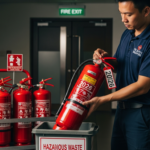
- Tag and segregate expired or damaged units in a secure area, away from public access and drains.
- Contact an accredited contractor for collection — ask for proof of licensing, insurance and disposal certificates.
- Arrange for a certificate of destruction or disposal, and keep service records for audits.
- Replace with the appropriate unit and update your asset register and maintenance schedule.
For businesses looking for vetted suppliers and inspection guidance, consult resources on fire extinguisher suppliers.
Environmental considerations and 2026 trends
2026 sees stronger focus on environmental safety and the circular economy in Southeast Asia:
- PFAS and AFFF: global regulators increasingly restrict PFAS-containing foams. Where relevant, extinguishers containing legacy AFFF should be handled by contractors able to manage PFAS-containing waste streams.
- Fluorine-free foams (F3): many organisations are switching to fluorine-free agents as replacements.
- Recycling and metal recovery: empty, certified cylinders can be recycled for scrap metal; valves and nozzles may be salvaged.
- Digital traceability: expect more contractors to provide RFID tags or digital certificates for extinguisher history and disposal records, easing compliance reporting.
Choosing vendors that practice eco-safe disposal helps reduce environmental impact and future-proofs compliance. Explore providers that combine fire protection and disposal capabilities, such as those listed under fire protection and extinguisher disposal.
Certified disposal routes and what to expect from contractors
Legitimate contractors will:
- Provide a site assessment and confirm extinguisher types.
- Offer on-site collection or scheduled pick-up.
- Depressurise and neutralise agents when necessary, using approved equipment.
- Transport hazardous waste under NEA-compliant procedures to licensed facilities.
- Supply a signed disposal certificate and update maintenance records.
When choosing a contractor, ask for references, insurance details and proof of compliance. Several top local firms specialise in portable extinguishers and end-of-life handling — look for established names and full-service warranties like those highlighted at top Singapore fire safety companies for portable extinguishers.
Cost, timing and paperwork
- Costs vary by extinguisher type and whether hazardous-waste routes are required. Expect higher fees for halon, PFAS-containing foams and CO2 cylinder processing.
- Collection and processing typically take days to a few weeks depending on contractor schedules and quantity.
- Businesses should retain disposal certificates and service records for at least the period required under SCDF/NEA audits — this may be requested during inspections.
Quick checklist for Singapore property managers
- Review extinguisher inventory and service dates quarterly.
- Tag units that are due for disposal and prevent accidental use.
- Engage an accredited servicing firm for inspection, repair or disposal; ensure they provide a disposal certificate.
- Replace legacy foam agents with fluorine-free alternatives where appropriate.
- Keep digital or physical records and update your fire safety plan.
If you need a single provider that can handle inspection, servicing and end-of-life removal, many full-service vendors offer consolidated packages; see examples of servicing and safe disposal and supplier inspection guides for next steps.
Final notes: align safety, compliance and sustainability
Correct disposal of fire extinguishers aligns SCDF fire safety responsibilities with environmental protection and good asset management. By working with accredited contractors, maintaining accurate records and staying aware of 2026 trends like PFAS phase-outs and digital traceability, Singapore organisations can reduce risk, simplify audits and support greener fire safety practices. Investigate reputable providers that offer certified disposal, replacement and recycling services to keep your premises safe and compliant while minimising environmental impact. For comprehensive service options that combine inspection, replacement and safe disposal, consult specialist providers and ensure all paperwork is retained for regulatory checks.


No comment yet, add your voice below!