

Why this guide matters in 2026
Singapore remains one of the safest cities because of strong fire safety standards and an active regulator in the SCDF. For homeowners, landlords, business owners and facilities managers, knowing how to choose, use and maintain a scdf fire extinguisher and any portable fire extinguisher is essential — not just to meet compliance, but to reduce risk and protect lives and assets.
This guide explains types of portable extinguishers suited to Singapore conditions, practical selection tips, inspection and maintenance best practices, safe use, and how to dispose of and replace units responsibly in line with current trends and SCDF expectations.
Understanding fire classes and extinguisher types
Different fires need different extinguishing media. Using the wrong extinguisher can make a fire worse. The basic fire classes relevant in Singapore are:
- Class A: Solid combustibles such as wood, paper and textiles.
- Class B: Flammable liquids like petrol and oil.
- Class C: Flammable gases.
- Class F (or kitchen fires): Cooking oils and fats.
- Electrical fires: treated separately because of the shock risk.
Common portable fire extinguisher types you will see in Singapore:
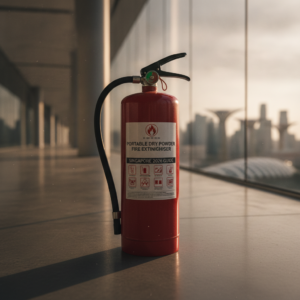
- Dry powder (ABC) extinguishers: Versatile and common, effective on A, B and C fires. They’re often recommended for mixed-risk areas. For specifics on powder units and safe uses, read this guide to dry powder essentials.
- Carbon dioxide (CO2): Clean agent ideal for electrical fires and many B-class risks. Leaves no residue, making it suitable for server rooms or electrical cabinets.
- Foam: Effective on Class A and B fires, foam creates a film over flammable liquids to prevent re-ignition.
- Water and water mist: Good for ordinary combustibles but never for electrical or flammable liquid fires.
- Wet chemical: Designed for cooking oil/fat fires (Class F) and now common in commercial kitchens.
When someone says “portable fire extinguisher,” they usually mean one of the hand-carried types above. Choosing the correct type for the hazard profile of your premises is the first step to effective fire safety.
Choosing the right portable fire extinguisher for Singapore properties
Selecting the appropriate extinguisher is a balance of fire risk, location, accessibility and regulatory guidance.
- Match the extinguisher type to the hazard (kitchen = wet chemical, electrical room = CO2, general-purpose areas = ABC dry powder).
- Size and rating: Portable extinguishers come in different capacities (small to larger handheld units). Larger capacities give longer discharge time but are heavier to handle. Factor in who will use them.
- Visibility and placement: Extinguishers must be visible and accessible. Place units along escape routes, next to kitchens (but not directly above stoves), and near known hazards.
- Certification and labeling: Choose extinguishers that meet recognised standards and are clearly labeled with instructions in English. Look for products supplied and maintained by reputable, SCDF-aware vendors.
For a deeper SCDF-focused overview of extinguisher types and how they apply to Singapore sites, see this SCDF fire extinguisher guide.
SCDF compliance and legal expectations
SCDF requires that fire protection equipment be properly installed, maintained and serviced. While specific recordkeeping requirements and service intervals can depend on the building class and the system installed, these principles are universal:
- Use qualified, licensed contractors for installation and periodic servicing.
- Maintain a legible log of inspections, servicing and any incidents.
- Replace or renew extinguishers that are expired, damaged or have been discharged.
Technically detailed requirements may be amended over time. For practical maintenance steps and compliance-focused recommendations, consult resources on fire extinguisher maintenance.
Inspection and maintenance — what to do and when
Even the best portable fire extinguisher is useless if it’s blocked, corroded or not charged. Best practices for inspections and maintenance:
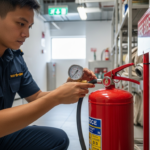
- Visual monthly checks: Ensure the unit is in place, unobstructed, with intact tamper seals and an unbroken pressure gauge (where applicable).
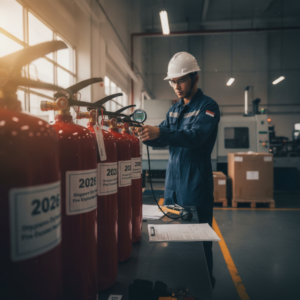
- Annual professional servicing: A certified technician should perform a full service, following manufacturer and SCDF guidance. This typically includes pressure testing, internal checks and replacement of parts as needed.
- Post-discharge servicing or replacement: Any extinguisher used, even partially, must be serviced or replaced.
- Keep records: Maintain maintenance logs and service tags with dates and technician details.
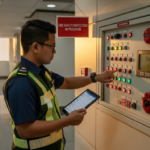
Singapore is seeing more adoption of digital maintenance solutions — QR code tagging on extinguishers, digital service logs, and cloud-based reminders — which simplify recordkeeping and regulatory readiness.
How to use a portable fire extinguisher safely (the PASS method)
If you ever need to use a scdf fire extinguisher, follow the standard, simple method taught in fire safety training:
- Pull the pin to break the tamper seal.
- Aim low — point the nozzle at the base of the fire.
- Squeeze the lever slowly and evenly.
- Sweep from side to side, covering the fire base until it’s out.
Only attempt to fight a small, contained fire if you have a clear escape route behind you and you’re confident of the extinguisher type. If the fire is large or smoke is heavy, evacuate and call SCDF.
Storing extinguishers and public-facing tips
- Keep extinguishers mounted on brackets or in cabinets at visible heights.
- Avoid direct sunlight or environments that cause corrosion.
- For residential units, keep extinguishers easily reachable from likely fire sources (kitchen, BBQ area) but not within the risk area itself.
- Train occupants and staff on location, types and use — practical, short drills reduce panic in real incidents.
Replacement, disposal and environmental considerations
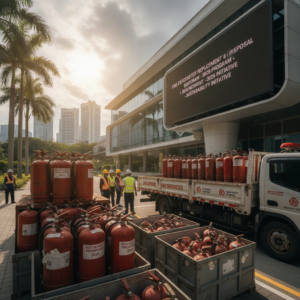
Extinguishers have finite service lives. Corrosion, failed pressure tests, or out-of-date agents require removal from service. Disposal must be safe, documented, and environmentally responsible.
- Decommissioning: Have a licensed technician safely discharge and decommission units slated for disposal.
- Recycling and waste handling: Different agents (dry powder, CO2 cylinders, wet chemicals) have different disposal pathways. Never puncture or throw cylinders into general waste.
- Replacement planning: Keep replacements ready for critical areas; do not leave gaps in coverage when removing units for disposal.
For detailed guidance on safe disposal and replacement options in Singapore, consult these resources on fire extinguisher disposal and replacement and disposal.
Emerging trends in 2026 that affect extinguishers and fire safety
- Smart maintenance: QR-coded tags and cloud logs reduce human error in recordkeeping. Facilities managers can receive automated reminders and digital certificates for audits.
- Eco-conscious agents: Manufacturers are developing lower-environmental-impact agents and sustainable cylinder options. Expect more suppliers to highlight environmental credentials.
- Integrated risk assessment tools: Apps and software that combine building layout, hazard mapping and extinguisher placement guidance are helping businesses optimise extinguisher coverage and reduce costs.
- Training innovations: Augmented reality (AR) and blended learning are making hands-on extinguisher training more accessible, especially for SMEs and multi-site operators.
These trends support SCDF’s broader aim of improving overall fire readiness through better data and smarter asset management.
Practical checklist for owners and managers
- Conduct a quick site audit: Identify high-risk areas and ensure correct extinguisher types are in place.
- Check visible tags: Look for last-service dates and pressure gauge status.
- Schedule a professional service if the next service date is due or the unit shows damage.
- Replace extinguishers that have been discharged, are corroded or fail pressure tests.
- Keep digital or physical service records handy for inspections.
If you need step-by-step maintenance guidance tailored to your property type, the fire extinguisher maintenance resource is a helpful reference.
Final practical note
A well-selected scdf fire extinguisher and disciplined maintenance of all portable fire extinguisher assets significantly reduce the likelihood of small incidents becoming major losses. Follow SCDF guidance, engage licensed contractors for servicing, keep records, and embrace digital tools where possible to stay compliant and protect occupants and property.
By treating extinguishers as active safety assets—regularly inspected, correctly sited, and properly matched to risks—you keep your premises safer and ready for 2026 and beyond.

No comment yet, add your voice below!