

Why fire alarm maintenance matters in Singapore
A reliable fire alarm system is the frontline defence for buildings across Singapore. Regular fire alarm maintenance keeps occupants safe, reduces property damage, and ensures compliance with SCDF fire safety expectations. Beyond life-safety, well-maintained systems minimise false alarms, protect insurance coverage, and can lower long-term operating costs.
This guide focuses on practical steps property owners, facilities managers and building engineers should take in 2026 to align with Singapore’s evolving fire safety landscape.
Understanding SCDF fire safety expectations in 2026
SCDF fire safety requirements emphasise robust inspection, testing and preventive maintenance of alarm and detection systems. In recent years, SCDF and industry stakeholders have pushed for better documentation, quicker fault resolution, and greater adoption of digital records. These trends continue into 2026 — enforcement now places more weight on demonstrable maintenance histories during audits and post-incident investigations.
For an overview of how fire protection systems interact with SCDF rules and policy updates, see this primer on fire protection system and SCDF fire safety.
Practical maintenance schedule and checks
A clear maintenance schedule keeps systems ready and compliant. Typical best-practice intervals are:
- Daily/weekly: Visual inspection of control panels and indicator lights.
- Monthly: Walk-test alarms in occupied zones where permitted; check battery charging status.
- Quarterly: Functional tests of detectors, call points and sounders as recommended by the manufacturer and SCDF guidance.
- Semi-annually/annually: Full system tests, detector sensitivity checks, panel firmware updates, and battery replacement planning.
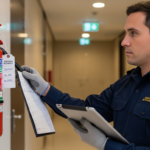
Follow manufacturer guidance for specific devices and keep a log of every inspection. Where a formal checklist is helpful, you can use resources like this maintenance checklist to structure routine work.
Common issues found during maintenance and how to fix them
- Dust and contamination: Smoke detectors lose sensitivity when dirty. Regular cleaning with approved methods reduces nuisance alarms.
- Battery failures: Replace batteries per manufacturer schedules; consider swapping to serviceable lead-acid or lithium options where supported.
- Wiring faults: Corrosion or rodents can damage cabling. Immediate repair and protective conduit are essential.
- False alarms: Often caused by steam, cooking fumes, painting or faulty detectors. Review device placement and upgrade to multi-criteria detectors if false alarms persist.
Document every fault, repair and replacement. Records are critical during SCDF inspections and for insurance claims.
How to choose the right contractor for fire alarm maintenance
Hiring a competent contractor is one of the most important decisions you’ll make. Look for:
- Proven experience with Singapore projects and familiarity with SCDF fire safety practices.
- Certified technicians and manufacturer-authorised service capability.
- Transparent service agreements that state inspection frequency, response times, and emergency call-out charges.
- Digital reporting and secure records so you can present maintenance logs on demand.
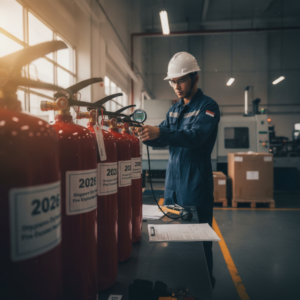
Consider contractors who offer combined services, since integrated maintenance (alarms plus extinguishers) simplifies scheduling and documentation. See practical tips for extinguisher servicing at this article on fire extinguisher maintenance.
Record-keeping, audits and SCDF inspections
SCDF place high emphasis on documentation. Your service provider should supply:
- Signed inspection and test reports.
- A system logbook with date-stamped entries for all maintenance, faults and corrective actions.
- Certificates for major replacements and component upgrades.
During an audit or investigation, incomplete records can lead to fines or operational restrictions. In 2026, digital record submission and remote access to logs are increasingly expected; adopting an electronic maintenance management system (CMMS) can simplify compliance and speed up SCDF inspections.
Cost considerations and budgeting
Budgeting for maintenance is more predictable than dealing with the fallout from system failures. Consider these cost factors:
- Preventive maintenance contracts (usually annual) vs. pay-as-you-go inspections.
- Component replacement cycles (batteries, detectors, control modules).
- Upgrades to address obsolescence or to meet new SCDF expectations.
- Training for in-house staff to perform daily and monthly basic checks safely.
A well-managed preventive programme often reduces emergency call-outs and unplanned repairs, yielding net savings over time.
Technology trends shaping fire alarm maintenance in 2026
Two technological trends are changing how maintenance is done:
-
Remote monitoring and IoT integration: Modern systems can stream health data to cloud dashboards. Faults are flagged automatically, enabling faster response and targeted technician visits.
-
Predictive maintenance: Analytics on sensor performance and battery health let teams replace parts before they fail, reducing false alarms and downtime.
If you plan an upgrade, assess cybersecurity, data privacy and interoperability with existing building management systems.
Integrating fire alarm maintenance with broader fire protection programmes
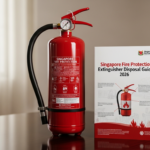
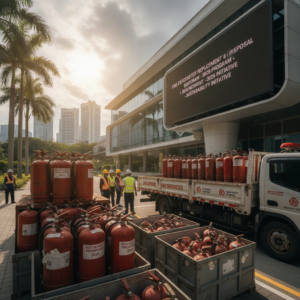
Fire alarm systems are only one part of a building’s safety fabric. A cohesive approach links alarms, suppression, evacuation plans and extinguisher readiness. For safe disposal of aged equipment and regulatory matters, consult guidance such as this extinguisher disposal.
Combining maintenance contracts for alarms, extinguishers and other systems often reduces administrative overhead and ensures synchronized testing schedules. For combined alarm and extinguisher best practices, this resource on fire extinguisher and fire alarm maintenance is helpful.
Reducing false alarms — practical measures
False alarms are disruptive and can attract enforcement attention. Reduce them by:
- Reviewing detector siting to avoid kitchens, bathrooms or plant rooms where possible.
- Upgrading to multi-criteria detectors that distinguish smoke from dust or steam.
- Implementing pre-alarm verification where permitted by SCDF policy.
- Training staff on daily housekeeping to limit dust and fumes near detectors.
A disciplined approach reduces call-outs and helps maintain good relations with SCDF responders.
Emergency response and after-maintenance verification
After any maintenance or component replacement, verify end-to-end functionality. Confirm that:
- Control panels reflect the correct zone and device status.
- Fire alarm control communicates correctly with monitoring stations (if used).
- Local alarm audibility and strobes meet evacuation needs.
Schedule a supervised alarm test outside peak hours, notify building occupants and the monitoring agency in advance, and record the outcome.
Checklist for busy facilities managers
- Confirm that all system components are listed in the building’s fire safety plan.
- Keep a current service-level agreement with clear response targets.
- Maintain a digital log with searchable records of tests, faults and repairs.
- Replace batteries per manufacturer recommendations; plan major component replacements ahead of end-of-life.
- Review false alarm causes quarterly and put corrective actions into your maintenance plan.
For a templated checklist to adapt to your building, see this maintenance checklist.
Final thoughts: proactive maintenance equals reliable protection
In 2026, Singapore’s SCDF fire safety landscape rewards proactive, documented and technologically enabled approaches to fire alarm maintenance. Whether you manage an HDB block, a commercial office, retail mall or an industrial facility, routine inspections, appropriate contractor selection and good record-keeping are the pillars of compliance and safety.
Well-executed maintenance keeps people safe, helps secure insurers’ support, and reduces the risk of enforcement action. Start by auditing your current programme, close any gaps in documentation, and prioritise critical upgrades that improve reliability and remote visibility. Taking these steps will put your building in a stronger position for SCDF inspections and, more importantly, for the real-world event when the system must protect lives and assets.

No comment yet, add your voice below!