

Introduction
Proper fire extinguisher disposal is a safety and environmental priority for every home and business in Singapore. As we move through 2026, tighter regulatory expectations and better recycling options mean owners must understand how to decommission, dispose of, or recycle extinguishers correctly under the Singapore fire protection system framework.
Why correct fire extinguisher disposal matters
Fire extinguishers are pressurised cylinders that contain chemicals or gases that can be hazardous if handled incorrectly. Improper disposal risks:
- Physical injury from sudden depressurisation or puncture.
- Chemical contamination of soil or waterways from residual agent discharge.
- Illegal release of banned agents (e.g., halons) that harm the ozone layer.
- Non-compliance with building or workplace fire safety policies tied to the Singapore fire protection system.
Correct disposal protects people, the environment, and prevents fines or enforcement action for non-compliance. It also preserves recyclable resources such as steel and aluminum.
Common extinguisher types and disposal considerations
Different extinguisher types require different disposal steps. Know what you have before proceeding.
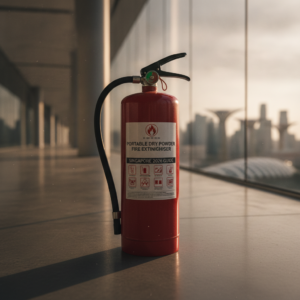
- Dry chemical (ABC powder): Contains ammonium phosphate or monoammonium phosphate. Often rechargeable; residual powder can be dusty and irritant. Needs to be fully discharged and handled as dry waste.
- CO2 (carbon dioxide): High-pressure cylinders with very cold discharge. Must be depressurised by trained personnel; the cylinder itself is recyclable as metal.
- Foam and water: Contain aqueous solutions; may require neutralisation depending on additives.
- Wet chemical (kitchen/HE): Contains potassium acetate or potassium carbonate; treat as aqueous waste, rinse responsibly if small amounts remain.
- Clean agents (e.g., FM-200 alternatives): Usually found in specialised systems; disposal should follow manufacturer and regulatory guidance.
- Halon (legacy units): Now phased out under international agreements. These must be handled by licensed hazardous waste specialists because of ozone-depletion concerns.
Accurately identifying the extinguisher label and agent will determine the right disposal pathway.
Step-by-step fire extinguisher disposal process in Singapore
- Inspect and identify: Read the label for agent type, expiry date, service tags, and manufacturer instructions.
- Confirm end-of-life: Typical service indicators include expired hydrostatic test date, failed maintenance, leakage, or visible corrosion. If still serviceable, repairing or recharging is often better than disposal.
- Do not DIY pressurised discharge: Never attempt to discharge or puncture a full extinguisher yourself. This can cause injury and environmental release.
- Engage a licensed service provider: Contact a certified fire protection company to perform safe decommissioning, discharge, valve removal, and classification of residual waste.
- Obtain disposal documentation: Request a service report or receipt showing agent removal, cylinder status, and final disposal or recycling disposition. This helps for building records and audits under the Singapore fire protection system.
Who can legally dispose of extinguishers and how to choose them
Only qualified fire protection companies or licensed hazardous waste handlers should dispose of pressurised extinguishers in Singapore. When choosing a provider:
- Check credentials and experience with the extinguisher type you have.
- Confirm that they provide evidence of safe handling and recycling or hazardous waste transfer documentation.
- Ask about on-site collection and reciprocation if you manage multiple units.
- Compare quotes but weigh compliance and documentation as primary criteria.
If you need professional maintenance before disposal or want to check whether recharge is an option, see a trusted maintenance resource: https://nationalcitycorporation.sg/fire-extinguisher-maintenance-singapore-2026-compliance-tips/.
Practical disposal workflow for businesses and facilities
Large facilities and property managers should adopt a repeatable workflow to stay compliant with building requirements and the Singapore fire protection system:
- Maintain a register of all extinguishers (location, type, serial, last service date).
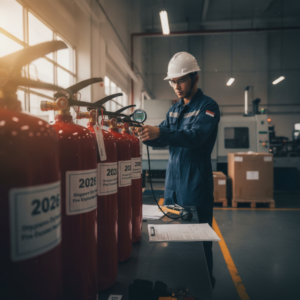
- Schedule regular inspections and hydrostatic testing per manufacturer and regulatory guidance.
- When an extinguisher reaches end-of-life, place a service request with an approved vendor.
- Ensure the vendor issues a decommissioning certificate and arranges recycling or hazardous waste transfer.
For integrated programs covering both extinguishers and alarms, many facility managers follow the combined guidance in this 2026 maintenance resource: https://nationalcitycorporation.sg/2026-singapore-fire-extinguisher-and-fire-alarm-maintenance/.
Costs, timelines and what to expect
- Typical cost to collect and decommission a single extinguisher can range, depending on type and whether agent disposal or recycling is required. Expect higher rates for CO2 and halon-era units due to special handling.
- Turnaround time: For most household or small-business requests, same-week service is common if contracted with a local firm. Bulk disposals for estates or management corporations may take longer but often benefit from negotiated rates.
- Documentation: A proper service provider will supply a disposal or service report within 7–14 days of collection.
Budgeting for safe disposal and scheduled maintenance reduces the long-term liabilities from reactive replacements.
Recycling options and environmental considerations
Recycling is the preferred outcome when the extinguisher’s agent has been safely removed. Recyclable components include:
- Steel/aluminium cylinders — processed at metal recyclers after depressurisation and valve removal.
- Plastic handles and labels — may be recyclable depending on material and contamination.
Any residual chemical agents must be dealt with as regulated waste. Halon and certain clean agents require specialist destruction or reclamation. Ask your service provider about recycling routes and evidence of responsible processing. For a disposal guide tailored to Singapore practices, consult: https://nationalcitycorporation.sg/fire-extinguisher-disposal-singapore-2026-recycling-guide/.
Business and residential compliance checklist (2026-ready)
- Verify extinguisher type and expiry date.
- Keep service records and hydrostatic testing certificates up to date.
- Use only licensed vendors for decommissioning and hazardous waste transfer.
- Request written disposal or recycling documentation for your records.
- Replace end-of-life extinguishers promptly with models compatible with your Singapore fire protection system requirements.
- Train staff or household members on safe handling and basic checks — never attempt to puncture or open pressurised cylinders.
For an operational checklist specifically designed for upkeep, maintenance, and compliance: https://nationalcitycorporation.sg/singapore-fire-extinguisher-maintenance-checklist-2026/.
Common mistakes to avoid
- DIY depressurisation or puncturing of cylinders.
- Disposing of extinguishers with general waste collectors.
- Failing to keep records of disposal, which can complicate audits or building inspections.
- Assuming all extinguishers are non-hazardous — legacy halon units and some clean agents require specialist handling.
Avoid these mistakes by relying on accredited providers and keeping straightforward records of every service or disposal action.
Final advice for Singapore owners
Fire extinguisher disposal in Singapore is straightforward when done through licensed channels and with accurate identification of extinguisher types. Keep your registers updated, prioritise recycling where possible, and ensure disposal runs through professional vendors who supply clear documentation. Integrating disposal plans with regular maintenance will keep buildings safe, environmentally responsible, and aligned with the Singapore fire protection system approach in 2026.
Staying informed and proactive ensures safety, compliance, and environmental responsibility for every extinguisher in service or at end-of-life across Singapore.

No comment yet, add your voice below!