

Why portable fire extinguisher maintenance matters in Singapore
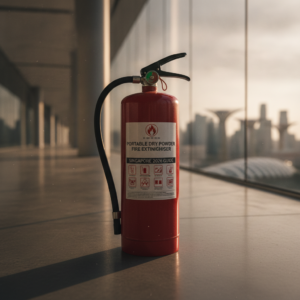
Portable fire extinguishers are the first line of defence in many small fires. For homes, offices, retail outlets and light industrial sites across Singapore, having the right extinguisher is only part of the safety story. This guide explains practical checks, schedules, legal considerations and new 2025 trends that affect how organisations and households maintain extinguishers.
Understanding regulations and expectations
Building owners and occupiers must ensure portable fire extinguishers are suitable for the hazards present and are maintained to remain operational.
Most commercial premises will be subject to routine inspections and annual servicing.
Daily and monthly visual checks you can do yourself
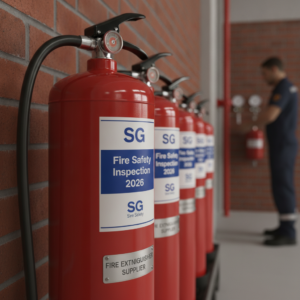
Routine visual inspection is simple but vital. Staff or household members should be trained to perform quick checks and escalate any issues. Key steps:
- Confirm the extinguisher is in its designated location, clearly visible and unobstructed.
- Check the pressure gauge shows the recommended range. For cartridge-operated units without a gauge, rely on weight and service records.
- Inspect the seal and tamper indicators. A broken seal can mean the unit was used or tampered with.
- Look for obvious physical damage, corrosion, dents, clogged nozzles or leakage.
- Ensure the operating instructions on the label are readable and the extinguisher is appropriate for the likely fuel types.
Record visual checks in a simple log. Digital logs and QR-tagging (covered later) make this step easier and improve audit readiness.
The essentials of professional fire extinguisher maintenance
Typical service intervals are: monthly visual checks by staff, annual preventive maintenance by a certified service provider, and more extensive tests every few years depending on the agent and cylinder type.
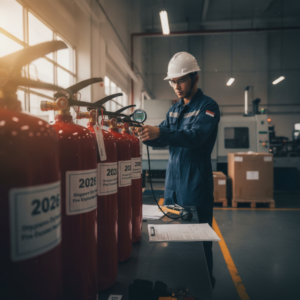
Professional maintenance includes:
- Pressure recharging after any discharge and verification of gauge accuracy.
- Replacing worn or broken seals, hoses and nozzles.
- Weighing dry chemical units to detect losses, and topping up or refilling if needed.
- Internal inspection and cleaning where applicable.
- Repainting or replacing units that have significant corrosion or damage.
- Updating service tags and records.
For an overview of integrated inspection and protection systems that interact with extinguisher programmes, see this resource on fire safety inspection and protection systems: https://nationalcitycorporation.sg/2025-singapore-fire-safety-inspection-protection-systems/.
Hydrostatic testing, recharging and lifespan considerations
Certain extinguisher cylinders require hydrostatic testing at defined intervals to confirm structural integrity. Hydrostatic testing is a pressure test that can detect metal fatigue or hidden damage. Typical timelines:
- Stored-pressure dry chemical: hydrostatic test every 12 years for many models.
- CO2 cylinders: hydrostatic testing every 5 years is common.
Some older extinguishers may be uneconomical to test or repair and should be replaced. When an extinguisher is discharged, even partially, it should be professionally recharged and fully verified before returning to service.
Record keeping and compliance documentation
Accurate records are essential for compliance and to show due diligence. A good maintenance record should include:
- Date and result of each visual check.
- Dates of professional inspections, what was serviced and by whom.
- Recharges, parts replaced and hydrostatic test certificates.
- Location and identification number of each extinguisher.
For organisations subject to inspections, having up-to-date records reduces friction during audits. Consider digital records that link to each extinguisher via QR codes. For more information on integrated fire system maintenance practices, refer to fire alarm maintenance and safety inspection: https://nationalcitycorporation.sg/fire-alarm-maintenance-and-safety-inspection-singapore-2025/.
Choosing the right service provider
Look for technicians who are licensed, provide clear itemised service reports, and keep digital records. Ask about turnaround times for recharges and cylinder testing, warranty on parts, and whether they provide on-site training for staff. Verify references and confirm that spare parts used are approved for each extinguisher model.
Practical maintenance checklist (quick reference)
- Daily/weekly: ensure visibility and unobstructed access; check for external damage.
- Monthly: check gauge, seals, labels and general condition; log results.
- Annually: schedule certified servicing for inspections, recharge and minor repairs.
- Every few years: hydrostatic testing as required by cylinder type and manufacturer.
- After any discharge: replace or recharge immediately and inspect for damage.
Maintaining a simple printed and digital checklist helps staff perform routine checks confidently and consistently.
2025 trends affecting portable fire extinguisher maintenance
Several trends are shaping maintenance practices in 2025:
- Digital inspection logs and QR tagging: Attach QR codes to extinguishers so inspectors and technicians can scan to see service history instantly. This reduces administrative errors and speeds up audits.
- IoT-enabled monitoring: Some facilities are piloting sensors that detect pressure loss or movement, forwarding alerts to maintenance teams. These systems are increasingly affordable for larger buildings and multi-site operators.
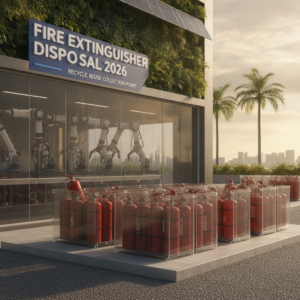
- Sustainability and refill programmes: Refillable systems and certified refill centres reduce waste and cost, aligned with Singapore’s sustainability goals.
- Consolidated safety contracts: Many organisations are moving to integrated maintenance agreements that cover extinguishers, alarms and sprinklers to streamline compliance. For more on inspection and protection integration, see the resource on protection systems: https://nationalcitycorporation.sg/2025-singapore-fire-safety-inspection-protection-systems/.
Common maintenance mistakes to avoid
- Ignoring small leaks or pressure dips: these typically worsen over time and can make an extinguisher unusable in an emergency.
- Using non-approved agents or parts: this can invalidate warranties and reduce extinguisher effectiveness.
- Poor record keeping: without clear logs, demonstrating compliance during an inspection becomes difficult.
- Overlooking training: staff who are unfamiliar with extinguisher operation may damage units or fail to respond appropriately during an incident.
Final checklist and key takeaways
Portable fire extinguisher maintenance in Singapore combines straightforward daily checks with scheduled professional servicing. Key takeaways:
- Train staff to perform regular visual inspections and keep a log.
- Engage licensed service providers for annual servicing and hydrostatic tests.
- Keep accurate records and leverage digital tools to simplify audits.
Adopting a structured maintenance routine not only keeps people and property safer but also reduces long-term costs and regulatory risk. Follow the checklists above and integrate extinguisher care into your broader fire safety management plan to maintain readiness through 2025 and beyond.


No comment yet, add your voice below!