

Why fire alarm maintenance matters in Singapore
Maintaining a reliable fire alarm system is more than regulatory box-ticking — it saves lives, limits property damage and protects business continuity. In dense urban environments like Singapore, where residential towers, commercial hubs and industrial estates sit close together, early detection and dependable alarms are critical to preventing small incidents from turning into major losses.
This article explains best practices for fire alarm maintenance, how Singapore fire protection system expectations are evolving in 2026, and practical steps facility managers and homeowners can take to stay compliant and resilient.
The regulatory and local context
Fire systems must meet design and maintenance standards and be serviced by qualified personnel. Beyond legal compliance, routine maintenance reduces false alarms, extends equipment life and ensures insurance requirements are met.
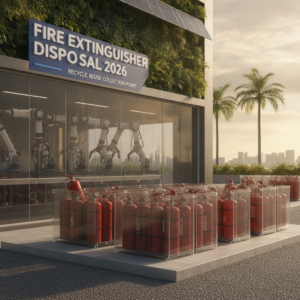
For turnkey services, consider working with certified vendors; many local providers also offer complementary services such as safe disposal and replacement of extinguishers and related systems (see fire extinguisher disposal and protection systems for more information: fire extinguisher disposal and protection systems).
Core elements of a robust fire alarm maintenance program
A practical maintenance program balances routine checks with periodic expert servicing. Key elements include:
- Visual and functional checks: Monthly or weekly visual inspections to spot tampering, damage, or accumulation of dust and paint that can impede detectors.
- Detector cleaning and testing: Smoke and heat detectors need careful cleaning and functional testing at regular intervals to prevent both missed events and nuisance alarms.
- Control panel diagnostics: Control panels and notification appliances should be tested to confirm fault logs, zone integrity and battery backups.
- Battery and power supply checks: Ensure standby batteries are tested and replaced before end-of-life; consider lifecycle tracking for replacements.
- Full-system testing: Periodic full-system drills that verify detector-to-panel-to-audible-visual-device operation.
- Documentation and record-keeping: Maintain test logs, service reports and certificates for audits and insurance reviews.
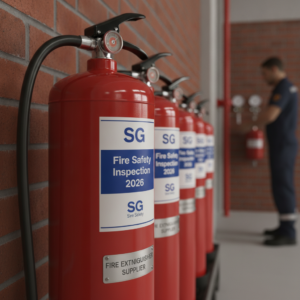
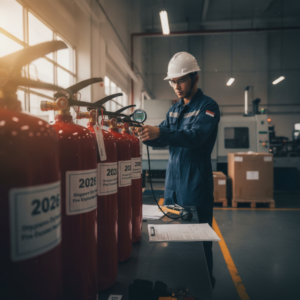
For business owners who manage other fire safety equipment, integrating alarm maintenance with extinguisher servicing and replacements can simplify compliance — for example, reputable suppliers provide combined servicing and replacement options like an authorised fire extinguisher supplier and replacement service.
Practical monthly/quarterly checklist (adapt to building type)
- Visual inspection of detectors, call points and annunciators.
- Confirm control panel shows no faults; review logged events.
- Test a sample of manual call points and notification appliances.
- Check battery voltages and backup generator readiness if applicable.
- Clear any obstructions around devices and address false alarm hotspots.
- Update maintenance log and schedule follow-up actions.
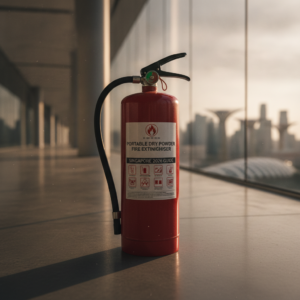
For detailed testing, a licensed technician should perform deeper diagnostics and repairs. Many businesses also pair alarm maintenance with extinguisher checks; portable units are highly interdependent with alarm and suppression strategies (see portable fire extinguisher options for Singapore premises: portable fire extinguisher services).
Technologies shaping Singapore fire protection system maintenance in 2026
- IoT and remote monitoring
-
Modern fire panels and detectors increasingly support IP connectivity and cloud telemetry. Remote monitoring enables real-time alerts, automated fault detection and centralised dashboards for entire property portfolios.
-
Predictive maintenance and analytics
-
Analytics platforms can flag patterns — frequent false alarms, sensor drift or battery degradation — enabling proactive service before a failure occurs.
-
Addressable and integrated systems
-
Addressable detectors supply zone-specific information and richer diagnostics, reducing time-to-locate incidents. Integration with building management systems streamlines responses and evacuation management.
-
Wireless detection with hybrid architectures
-
Wireless devices have matured and are often used in retrofits. Best practice is a hybrid approach: wireless endpoints supported by wired control networks to combine flexibility with reliability.
-
Cybersecurity and compliance
- As panels go online, cybersecurity becomes a fire-safety consideration. Ensure firmware is patched, access control is managed and vendors follow secure communication standards.
Choosing the right maintenance partner in Singapore
Selecting an experienced and certified service provider is essential. Look for:
- Clear service level agreements (SLAs) describing response times, reporting and parts replacement.
- Proven experience across building types: residential, commercial, industrial.
- Bundled services for holistic protection: alarms, suppression, extinguishers and safe disposal. Many top local companies advertise integrated offerings; consider reputable firms featured as a top fire safety company for extinguishers in Singapore.
If you need end-to-end lifecycle support — from alarm servicing to extinguisher replacement and disposal — choose suppliers that cover these needs (for example, a combined supplier and replacement service is available here: fire extinguisher supplier and replacement).
Common pitfalls and how to avoid them
- Ignoring manufacturer intervals: Deferred maintenance often leads to hard-to-diagnose failures. Track device age and replace sensors per manufacturer guidance.
- Poor documentation: Without proper logs, audits, insurance claims and incident investigations become complicated. Use digital logs and retain records for prescribed periods.
- Relying solely on visual checks: Visual inspections are necessary but not sufficient. Schedule functional testing and third-party inspections as required.
- Overlooking false alarm sources: Dust, steam, construction work and insects can cause nuisance activations. Mitigate by relocating detectors, using alternate detector technologies or adding zoning adjustments.
- Not updating system firmware or security: Connected panels require firmware updates and secure configurations to prevent operational vulnerabilities.
Integrating fire alarm maintenance with broader fire protection strategy
A holistic fire protection strategy connects detection, suppression, containment and evacuation. Practical steps include:
- Audit the entire protection suite (alarms, sprinklers, extinguishers, emergency lighting) on a single schedule.
- Coordinate drills with alarm testing to validate procedures and human response.
- Use risk-based prioritisation to target critical assets for more frequent inspection.
- Consolidate vendor contracts where possible for consistent records and one-point accountability. Many local vendors provide combined services including disposal and replacement of extinguishers — learn about integrated disposal and protection options at fire extinguisher disposal and protection systems.
Cost considerations and budgeting for 2026
Budgeting for maintenance should be treated as a predictable operational cost rather than an ad-hoc expense. Consider:
- Fixed contracts vs. pay-per-visit models: Fixed contracts deliver predictable costs and definitive response SLAs; pay-per-visit can be cheaper short-term but spikes after incidents.
- Upgrade vs. maintain decision: Older analogue systems may cost more to maintain; migrating to addressable or networked systems often yields long-term savings through reduced false alarms and easier diagnostics.
- Bundled services and replacements: Negotiating combined packages for alarms and extinguishers can lower total cost and streamline compliance. Explore options from reliable local suppliers, including portable extinguisher servicing from trusted providers (see portable extinguisher services: portable fire extinguisher services).
Quick checklist to get started this quarter
- Book a certified technician for a full-system annual inspection if overdue.
- Ensure all testing and service records are digitalised and backed up.
- Assess whether IoT-enabled monitoring or an addressable upgrade fits your budget and risk profile.
- Confirm extinguisher inventories and end-of-life units are scheduled for replacement or disposal (see supplier and disposal options: fire extinguisher supplier and disposal).
Conclusion
Effective fire alarm maintenance is foundational to any Singapore fire protection system. In 2026, the combination of smart detection, predictive analytics and disciplined maintenance regimes gives building owners better protection, fewer false alarms and clearer compliance pathways. By partnering with certified providers, maintaining rigorous testing schedules, and leveraging modern monitoring technologies, facilities can keep occupants safe and operations resilient.
For comprehensive support across alarms, extinguishers and disposal, evaluate vendors that offer integrated services and clear SLAs to ensure your fire protection strategy is robust and future-ready.


No comment yet, add your voice below!