

Why TUV SUD PSB approval matters for dry powder fire extinguishers in Singapore
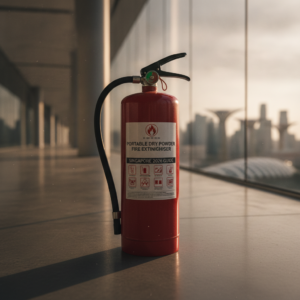
A dry powder fire extinguisher remains one of the most widely used portable units because of its multi-class capability (A, B and C), affordability and robustness.
Understanding dry powder fire extinguisher basics
Dry powder fire extinguishers use a fine, powdery chemical (usually monoammonium phosphate or ABC powder) to blanket flames and interrupt the chemical reaction of fire. They are effective on:
- Class A fires (combustibles like wood and paper)
- Class B fires (flammable liquids)
- Class C fires (flammable gases and energized electrical equipment — though caution is needed around sensitive electronics)
Key advantages include wide-ranging effectiveness and low cost. Drawbacks are residual mess after discharge, potential visibility/respiratory issues in confined spaces, and possible damage to delicate equipment.
Choosing the right capacity and rating for Singapore premises
Dry powder extinguishers come in several sizes commonly used in Singapore: 1 kg, 2 kg, 4 kg, 6 kg, 9 kg and 12 kg. Selection depends on risk assessment:
- Residential units: 2–4 kg models are typical for HDB flats and private residences.
- Commercial spaces and kitchens: 4–9 kg units offer longer discharge times and higher fire ratings.
- Vehicles and compact spaces: 1–2 kg bottles are portable and convenient.
Always match the extinguisher rating and type to the predominant fire risks. For mixed-risk environments, ABC dry powder models are often recommended for their versatility.
standards, compliance and what to look for in 2026
When procuring a unit, look for:
- Clear TUV SUD PSB approval markings and model certification
- Manufacturer fire-rating labels and expiry/manufacture dates
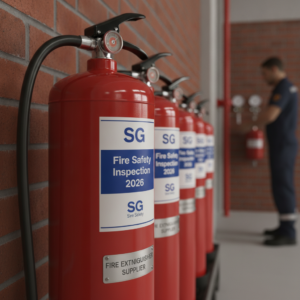
- A visible service tag or QR code that links to inspection logs
Supplier selection and verification
A practical supplier checklist helps ensure you get the right product and aftercare; see a dedicated procurement checklist here: fire extinguisher supplier checklist.
Top suppliers should provide:
- TUV SUD PSB approved models and certificates
- On-site installation and correct mounting hardware
- Regular inspection and maintenance packages
- Training for staff or household members in correct usage
Installation, placement and signage best practices
Proper placement maximises response time and safety: mount extinguishers near escape routes, at visible points, and not behind doors or heavy furnishings. General guidance:
- Mount 1–1.5 m from the floor for easy reach (check local recommendations for heavy units)
- Keep within 15–30 m travel distance of likely fire sources depending on risk
- Ensure clear signage and unobstructed access
Lobbies, kitchens, laundry rooms and utility closets are high-priority zones.
Maintenance, testing and service intervals
Routine maintenance is critical. Typical practices include:
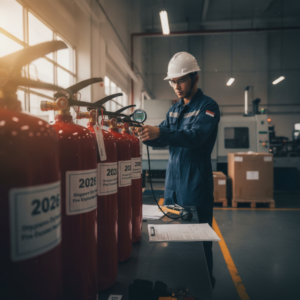
- Monthly visual checks to confirm pressure gauge in range, intact seals, and no physical damage
- Annual professional servicing for inspection, recharging and valve checks
In 2026 the trend is towards digital logs: QR-coded service tags and cloud-based inspection records improve compliance and auditability. Always keep a maintenance log on site and make sure any supplier-provided documentation is up-to-date.
Training and emergency readiness
Brief workplace or household training should cover the PASS method: Pull, Aim, Squeeze, Sweep. Training sessions should include hands-on demos (with training units or safe simulations), familiarisation with extinguisher locations, and simple decision-making rules on when to use an extinguisher vs evacuate and call emergency services.
Regular fire drills that incorporate extinguisher use build confidence and reduce panic during a real event.
Environmental and operational considerations for dry powder extinguishers
Dry powder is versatile but not always ideal. Consider these operational points:
- Electronics and sensitive equipment: powder can cause collateral damage; clean-up is costly and time-consuming.
- Enclosed spaces: powder reduces visibility and can irritate respiratory tracts — use with caution.
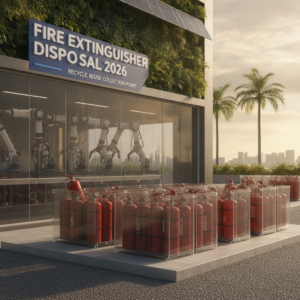
- Disposal and recharging: discharged extinguishers must be professionally recharged or disposed of per environmental regulations.
Newer suppression technologies (clean agents, CO2, water mist) are sometimes more appropriate for data centres and clean-room environments; still, ABC dry powder remains a cost-effective general-purpose option for many Singapore settings.
Cost, warranties and lifecycle budgeting
When budgeting, factor in:
- Unit purchase price (varies by capacity and brand)
- Installation and mounting hardware
- Annual servicing fees and periodic pressure testing
- Refill or replacement after discharge
Opt for suppliers who offer clear warranties and transparent long-term service plans so total cost of ownership is predictable.
Common myths and clarifications
- Myth: One extinguisher type fits all. Reality: Select based on risk — kitchens, chemical stores and electrical rooms may need specific agents.
- Myth: Bigger is always better. Reality: Oversized units can be difficult to handle; match capacity to expected user abilities and accessibility.
- Myth: TUV SUD PSB approval is optional. Reality: Compliance avoids enforcement issues and ensures performance.
Emerging trends in 2026: smart inspections and sustainability
- Smart inspection systems: RFID tags, QR codes and mobile apps streamline checks and produce audit trails.
- Predictive maintenance: sensor data and cloud analytics identify units due for service before failure occurs.
- Green considerations: suppliers are improving recycling and safe disposal pathways for discharged powder and cylinders.
Adopting these trends improves compliance and reduces long-term operational risk.
Quick purchasing and compliance checklist
- Verify TUV SUD PSB approval label and model certification
- Match extinguisher class and size to the assessed fire risk
- Confirm supplier offers annual servicing and emergency recharge
- Check for digital service records or tags for easier compliance
- Ensure clear signage, unobstructed placement and staff training
Final considerations
A properly selected and TUV SUD PSB approved dry powder fire extinguisher is a reliable first-response tool for many Singapore fire risks. Pair the right unit with correct installation, scheduled maintenance and staff training to create a resilient, compliant safety posture that meets 2026 standards and protects people and property effectively.


No comment yet, add your voice below!