

Introduction
Singapore’s fire safety landscape continues to evolve in 2025. New expectations around digital record-keeping, asset tagging and remote audits are changing how building owners, facility managers and Fire Safety Managers meet SCDF requirements. This practical guide breaks down what matters for fire extinguisher servicing and fire safety inspection so your premises stay compliant, audit-ready and safer for occupants.
The checklist below combines core maintenance practices with the latest trends — QR tags, mobile inspection apps, and predictive maintenance — that are becoming standard in Singapore’s commercial and residential sites.
Why regular fire extinguisher servicing matters
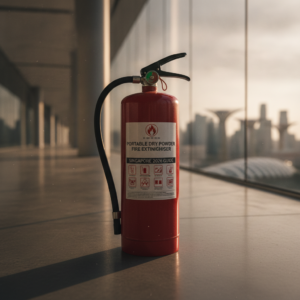
Portable fire extinguishers are first-line protection for small fires. When properly serviced and inspected, they dramatically reduce property damage and risk to life. Neglecting inspections or using uncertified servicing increases the chance an extinguisher will fail when needed.
Key benefits of timely servicing
- Ensures correct agent levels and operating pressure
- Identifies corrosion, damaged hoses/nozzles, and lost seals
- Confirms correct extinguisher type and placement for hazards
- Maintains valid service tags and records for SCDF checks
Where to start: always hire trained and licensed technicians for certified fire extinguisher servicing. For guidance and professional services, consider experienced local providers who understand SCDF expectations, such as fire extinguisher servicing.
Key SCDF-aligned fire safety inspection requirements in 2025
SCDF inspections focus on safety, accessibility and documentation. While specifics can vary by building type and use, the following requirements are commonly enforced and should be part of every inspection:
- Visibility and accessibility: extinguishers must be clearly visible, unobstructed, and mounted at the correct height.
- Correct type and coverage: the extinguisher type (water, foam, CO2, dry powder, wet chemical) must match identified hazards.
- Service tags: date of last service, next due date and servicing company details must be present.
- Pressure gauge: pointer should be in the green zone for gauged units.
- Physical condition: no severe dents, corrosion, cracked hoses, blocked nozzles, or missing tamper seals.
- Weight and agent check: portable units must be within acceptable weight limits and show no sign of leakage.
- Hydrostatic and internal tests: cylinders must meet periodic pressure-test requirements (type- and manufacturer-dependent).
- Documentation: complete service records and inspection logs for audit purposes.
Facility teams should maintain a documented program combining occupant-level visual checks (monthly), competent person inspections (quarterly or as required), and certified servicing (typically annual). For a professional audit and remedial work, search for qualified firms offering comprehensive fire safety inspection.
Updated 2025 fire extinguisher servicing and inspection checklist (step-by-step)
This checklist is designed to help you meet SCDF expectations and modern compliance practices.
Pre-inspection preparation
- Gather existing documentation: installation drawings, past service tags, maintenance logs, and previous inspection reports.
- Ensure access to all extinguisher locations and lockable areas.
- Prepare a digital or paper inspection form that records photos, serial numbers, pressures, weights and technician notes.
On-site monthly (owner/operator visual check)
- Confirm extinguisher is in its designated location and unobstructed.
- Check pressure gauge (green zone) and tamper seal intact.
- Inspect visible condition: no dents, rust, or leak stains.
- Verify signage and operating instructions are clear.
On-site annual (certified servicing by licensed contractor)
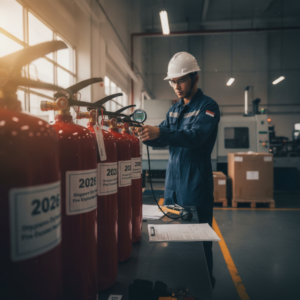
- Confirm agent level and weight; refill or replace if required.
- Inspect hoses, nozzles and valves for cracks or blockages.
- Replace tamper seals and update service tag with date, next due date and technician name.
- Perform function test where safe and feasible; replace cylinders that don’t pass.
- Update digital records with photos and service report.
Periodic testing (as required)
- Hydrostatic and internal examinations per manufacturer guidance and statutory intervals.
- Pressure testing for certain cylinder types at intervals (commonly 5–12 years depending on agent and design).
Record-keeping and audit readiness
- Maintain a central log (cloud or local) with service dates, certificates and technician contact details.
- Retain records for a period that supports SCDF audits and insurer verification.
- Use QR tags linked to digital service history for faster onsite audits.
Training and drills
- Conduct practical extinguisher training for designated users at least annually.
- Include extinguisher locations and handling in emergency response plans.
This structured approach turns servicing into an auditable, repeatable system that meets modern expectations and reduces the risk of failures.
For turnkey maintenance programs that include scheduled fire safety checklist integration and digital reporting, contract with established providers.
Digital trends shaping inspections in 2025
Technology is changing how inspections are performed and evidenced. Singapore organisations adopting modern workflows find audits faster and compliance risk lower.
Notable trends:
- QR asset tagging: each extinguisher carries a scannable tag linking to its full service history and specs.
- Mobile inspection apps: technicians complete checklists, upload photos and close out jobs in real time.
- IoT sensors: pressure or tamper sensors send alerts if an extinguisher moves, loses pressure or is discharged.
- Cloud-based records: centralised storage simplifies retrieval during SCDF inspections or insurance claims.
- Predictive maintenance: analytics highlight units likely to need service before failure.
These capabilities also support remote audits and reduce the administrative burden of managing large estates. For integrated solutions combining hardware and service, explore suppliers offering end-to-end fire protection services.
Choosing the right licensed contractor
Selecting a contractor for servicing and inspections is a critical decision. Evaluate providers on the following criteria:
- Licensing and accreditation: verify the company and technicians hold relevant Singapore certifications.
- Proven SCDF experience: ask for references from similar building types.
- Transparent reporting: ensure reports include photos, serial numbers, and clear next-action recommendations.
- Warranty and parts: confirm parts compatibility and warranty on replacements.
- Digital capabilities: prefer vendors that provide QR tagging, mobile reports and cloud storage.
- Insurance and safety systems integration: they should coordinate with your overall fire alarm and suppression systems.
Before awarding a contract, request a sample report and a service schedule aligned with SCDF guidance and your insurer’s requirements. For a vetted list of providers, search for companies that combine compliance with digital record-keeping to ensure long-term efficiency and audit readiness for SCDF compliance needs via SCDF compliance.
Record retention, audits and ongoing compliance
SCDF inspections will review both physical condition and documentary evidence. Keep these practices in place:
- Retain service reports and inspection logs centrally for easy retrieval.
- Use chronological tags and searchable digital fields (date, technician, location, test type).
- Schedule periodic internal audits to verify records match physical assets.
- Update your emergency response plan and contact lists whenever changes to equipment or vendors occur.
Digitising records and using QR-based proof of service significantly cuts time during an SCDF audit and reduces the likelihood of non-compliance notices.
Summary and next steps
In 2025, compliance goes beyond ticking boxes: it’s about proving a robust maintenance regime with clear, auditable records. Regular fire extinguisher servicing combined with disciplined fire safety inspection processes, supported by digital tools, will keep your premises compliant with SCDF expectations and safer for everyone.
If you want a single partner that offers scheduled servicing, digital reporting and inspection-ready documentation, consider professional providers who can implement a site-specific program and manage the full lifecycle of your extinguishers and fire safety assets, including an up-to-date fire extinguisher servicing program and integrated digital checklists.
Follow the checklist above, engage licensed technicians, and use technology to transform maintenance into a reliable, auditable system.



No comment yet, add your voice below!