

Introduction
Disposing of a portable fire extinguisher incorrectly can be dangerous, costly and non-compliant with Singapore regulations. Whether the unit is expired, discharged, damaged or replaced during an office upgrade, knowing how to handle fire extinguisher disposal in 2025 will save you time and reduce risk. This guide explains the legal steps, safe drop-off options and cost-saving strategies tailored for Singapore homes and businesses.
Why correct disposal matters
Portable fire extinguisher cylinders are pressurised and often contain chemical agents (dry powder, foam, CO2, wet chemical). Improper handling can cause injury, environmental harm and regulatory breaches. For businesses, poor disposal can affect insurance claims and compliance during inspections. For households, unsafe transport or DIY puncturing can cause accidents.
Key reasons to follow the right disposal route:
– Safety: prevents accidental discharge or rupture.
– Environmental protection: correct handling of chemical agents and recycling of metal components.
– Legal compliance: adherence to guidance from relevant agencies and licensed collectors.
Types of portable fire extinguisher and what they mean for disposal
Different extinguishers require different treatments:
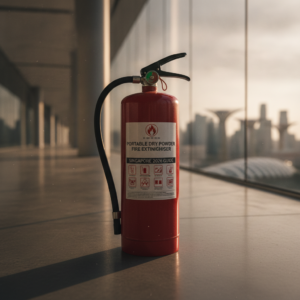
– Dry Powder: contains fine particles that should not be released into the environment. Professional discharge and collection are recommended.
– CO2 (carbon dioxide): pressurised gas cylinder — requires specialist handling to neutralise pressure and recycle the steel cylinder.
– Foam and Water: liquid agents that may be disposed of differently depending on chemical composition; avoid pouring into drains.
– Wet Chemical (kitchen units): contains organic agents that may need special handling.
Before arranging disposal, identify the extinguisher type by reading the label and noting the agent and expiry/last service date.
Legal and regulatory steps in Singapore (what to follow)
Singapore does not permit random disposal of pressurised cylinders or hazardous chemical waste. These providers issue the necessary paperwork and manifests that demonstrate compliance.
– Keep disposal records: businesses should retain receipts, certificates and manifests for audits, inspections and insurance.
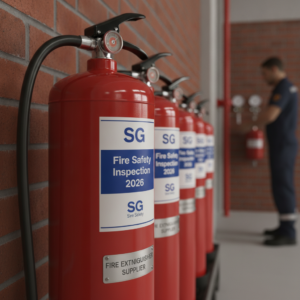
For many organisations, engaging a certified fire safety service company for removal, maintenance and disposal is the simplest way to remain compliant.
Where to drop off: practical drop-off options in Singapore
Here are the common, reliable options for fire extinguisher disposal and drop-off:
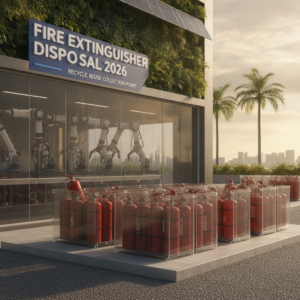
– Authorised fire safety service providers: Many companies offer take-back, exchange and recycling programs. They handle depressurisation and will issue disposal certificates. Search for licensed vendors who provide fire extinguisher servicing.
– Hazardous waste collectors with licensing: Some waste management firms accept pressurised cylinders and chemical agents for safe processing; they issue manifests for compliance and disposal tracking. Consider providers experienced in hazardous waste disposal.
– Manufacturer take-back or trade-in programs: Some manufacturers and distributors accept old units when you purchase new ones. This can be both convenient and cost-efficient.
– Community or scheduled collection drives: Occasionally, there are scheduled hazardous waste collection drives; check NEA and community announcements. Note: not all municipal collection points accept pressurised extinguishers.
Important: Do not drop a pressurised extinguisher at a regular recycling bin or general waste collection point. Always confirm acceptance policies before transporting any unit.
Preparing a portable fire extinguisher for drop-off (safe checklist)
- Read the label: identify agent, expiry date and last service tag.
- Keep it secure: transport upright, secured from rolling or puncture.
- Do not puncture or attempt to fully discharge an extinguisher yourself. Leaving a partially charged unit for a licensed collector is safer than DIY disposal.
- Remove mounting brackets if requested by the recycler or service provider.
- Inform the collector of the type (CO2, dry powder, foam, etc.) so they can bring appropriate equipment.
- Obtain a disposal certificate, manifest or receipt when the unit is collected.
Cost-saving options for disposal and replacement
Disposal doesn’t have to be expensive. Consider these strategies to reduce costs:
– Refill and reuse: If the cylinder is structurally sound and only the agent is expired or used, a certified refill is often cheaper than full replacement. Ask a licensed provider about extinguisher refill and maintenance.
– Exchange programs: Many suppliers offer trade-in discounts when you hand in an old unit and purchase a new one.
– Bulk contracts for businesses: If you manage multiple units across premises, partner with a licensed contractor on a scheduled maintenance and disposal contract for volume discounts.
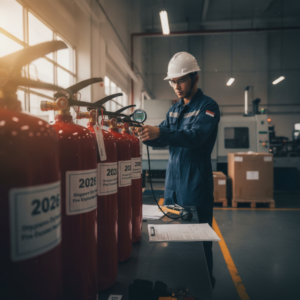
– Scheduled maintenance to extend life: Regular servicing keeps units compliant and may extend useful life, delaying disposal.
– Salvage metal value: Some certified recyclers recover and recycle metal components; savings are modest but help offset disposal costs.
Disposal process for businesses vs households
- Businesses (commercial premises): Must ensure records and manifests are retained and should use licensed waste contractors for all pressurised cylinders and hazardous materials. Audits and insurance reviews are common, so documentation is essential.
- Households: Use authorised service providers, take-back schemes, or community collection events. Avoid DIY discharge and be mindful that common recycling centres typically will not accept pressurised fire extinguishers.
Environmental considerations and recycling
After safe neutralisation and depressurisation, many components can be recycled:
– Steel/aluminium cylinders: recycled after proper processing.
– Valves and mounting hardware: recyclable after separation.
– Chemical agents: disposed of or treated in accordance with hazardous waste protocols to prevent contamination.
Choosing providers that prioritise recycling reduces landfill waste and supports Singapore’s circular economy goals.
Quick reference: step-by-step for proper disposal
- Inspect: read label and confirm extinguisher type and condition.
- Contact: call a licensed fire service provider or hazardous waste collector and state the unit type.
- Prepare: secure the unit upright in transport; remove brackets if required.
- Hand over: deliver to the authorised drop-off or schedule collection.
- Documentation: obtain receipts and disposal certificates for compliance.
- Follow-up: ensure any recycled materials or manifests are filed (businesses) or kept for records (households).
Final notes and best practice
When in doubt, always opt for a licensed professional. Many local providers offer combined services — inspection, refill, maintenance and end-of-life disposal — which simplifies compliance and reduces cost. If you manage multiple units, negotiate a maintenance and disposal package to save money and ensure ongoing compliance.
For Singapore residents and businesses, following these steps will protect people, satisfy regulatory expectations and ensure responsible recycling of materials from portable fire extinguisher units. Follow safe handling and rely on licensed collection channels to make fire extinguisher disposal straightforward, legal and cost-effective.


No comment yet, add your voice below!