

Singapore buildings and businesses are tightening fire safety procurement and maintenance in 2025. Whether you manage a small office, a hawker stall, or a multi-storey commercial property, knowing when to opt for fire extinguisher replacement, how refill alternatives stack up, and how to evaluate a fire extinguisher supplier can save money and reduce risk. This guide outlines certification basics, realistic cost ranges, refill vs replace considerations, and a practical checklist for choosing suppliers in Singapore.
Understanding certification and regulatory requirements
Key points to keep in mind:
- Engage a licensed fire safety contractor or supplier for installation, servicing, replacements and certification.
- Proper servicing records and certificates are important for tenants, insurers and regulators.
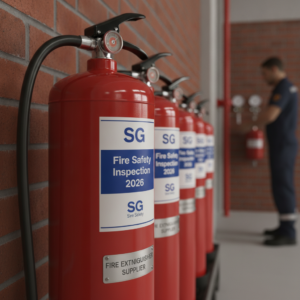
- Replacement or refurbishment work should include updated labels, pressure-gauge verification, weight checks and any required tests. Certain cylinder types (e.g., CO2/high-pressure cylinders) may require hydrostatic testing at specified intervals — confirm with your supplier.
When in doubt, ask for the supplier’s licensing details, sample service certificates, and proof of technical training for their technicians before signing a contract.
Fire extinguisher replacement costs in 2025 (Singapore ranges)
Costs vary by extinguisher type, size and whether you require installation and certification. The following ranges are indicative for Singapore in 2025 and include typical commercial/residential options. Always seek written quotes.
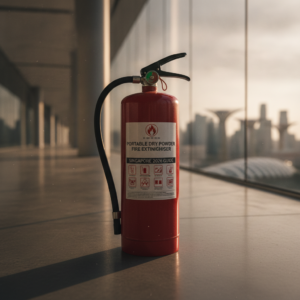
- Small portable powder extinguisher (1–2 kg ABC): S$40–S$120
- Medium powder extinguisher (4–6 kg ABC): S$90–S$220
- Water or foam extinguishers (6–9 L): S$80–S$250 depending on brand and mounting kit
- CO2 extinguishers (2–5 kg): S$120–S$350 (higher due to cylinder costs)
- Specialist extinguishers (clean agent, wet chemical for kitchens): S$200–S$600+
Service, refill and maintenance costs:
- Simple recharge/refill (powder): S$40–S$90 depending on size
- CO2 refill/recharge and service (plus weight test): S$60–S$160
- Annual or periodic service visit (per unit): S$20–S$80 when bundled or S$80–S$200 for single urgent visits
- Hydrostatic testing (where required): S$60–S$200 per cylinder
Factors that impact price:
- Type of extinguishing agent and cylinder construction
- Whether disposal and safe removal of the old unit is required
- If hydrostatic testing or additional certification is necessary
- Urgency, site accessibility and whether the supplier includes a replacement exchange program
- Warranty, after-sales service and whether digital maintenance logs are provided
Refill alternatives vs full replacement: pros and cons
Refill/recharge, exchange or replacing with a new unit are the common paths. Choosing depends on age, condition, cost and compliance.
Refill / Recharge
- Pros: Lower immediate cost than buying new; faster turnaround if vendor stocks refills; maintains original casing.
- Cons: Not always allowed if the cylinder is corroded, dented, or past certain age/hydrostatic test date; some insurance or compliance regimes prefer a new unit for older extinguishers.
Exchange Programs (supplier swaps your unit for a serviced unit)
- Pros: Minimal downtime, standardised servicing and certification; useful for businesses requiring continuity.
- Cons: Often subscription-based; you may not own the extinguisher.
Full Replacement
- Pros: New warranty, updated labels and often newer technology or improved ergonomics; preferable when units show structural damage or exceed recommended service life.
- Cons: Higher upfront cost.
Best practice: Inspect the unit for structural damage, failed pressure gauge, substantial weight loss or corrosion. If any of these are present, full replacement is safer and more compliant than merely refilling.
How to compare a fire extinguisher supplier in Singapore
Choosing the right fire extinguisher supplier goes beyond price. Use these criteria:
- Range of services: Installation, scheduled maintenance, emergency swaps, hydrostatic testing and disposal of old units.
- Transparency: Itemised quotes showing unit cost, service fee, certification fees and any call-out charges.
- Turnaround and availability: Lead time for supply/replacement and ability to service multiple sites quickly.
- Traceability and records: Digital maintenance logs, reminders and scanned certificates are valuable for audits.
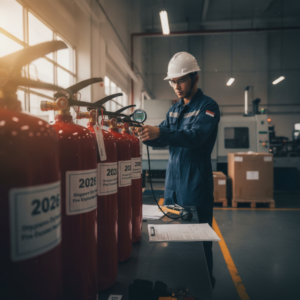
- Equipment and testing capability: On-site weighing scales, pressure testers and hydrostatic testing facilities (or partners).
- Warranties and after-sales: Guarantees on parts/work and response time for faults.
- Training and extra services: Do they provide fire extinguisher training for staff, monthly check templates or integrated fire safety packages?
Ask potential suppliers these specific questions:
- Can you provide a copy of recent licences?
- What is included in your servicing certificate and how frequently do you recommend maintenance?
- Do you provide digital maintenance logs and reminder alerts?
- Do you offer exchange/refill programs and what are the terms?
- Can you perform hydrostatic tests on-site or through a certified partner?
Red flags: vague answers on certification, lack of documentation, no digital record of past work, or very low bids with no breakdown of services.
2025 trends affecting purchasing decisions
- Digital maintenance and IoT: More suppliers now offer tag-based inventory and sensor alerts to detect tampering or pressure loss. This reduces manual checks and centralises compliance records.
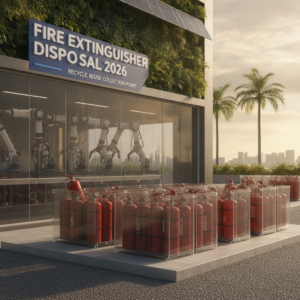
- Sustainability focus: Some vendors provide more environmentally friendly refill options and recycling programs for spent extinguishers and cylinders.
- Bundled safety solutions: Expect competitive offers that bundle fire extinguishers with fire alarm maintenance, emergency lighting and staff training — useful for property managers seeking one-stop solutions.
- Flexible payment models: Subscription or exchange models let businesses spread cost or avoid capital outlay by paying a service fee for continuous coverage.
Practical checklist: when to replace and steps to procure
When to replace:
- Pressure gauge reads low or in the red; weight loss beyond manufacturer tolerance.
- Visible corrosion, deep dents, missing or damaged labels, or a ruptured safety seal.
- Past recommended lifespan or hydrostatic test expiry.
- Unit discharged or partially discharged.
Procurement steps:
- Conduct an inventory: note type, location, last service date and visible condition.
- Compare not just price but certificate turnaround, service frequency, warranty and digital record support.
- Schedule installation/replace with documentation provided on completion.
- Implement a maintenance schedule and assign responsible persons for monthly checks.
Choosing the right mix of replacement and refill strategies helps control costs while keeping properties compliant and safe. In 2025, the smartest procurement decisions balance licensing and certification, proven maintenance processes, transparent pricing and the convenience of digital records. For commercial operators and premises managers in Singapore, prioritise verified suppliers that provide clear certification, documented maintenance and fast response — those factors often matter more than the lowest sticker price.


No comment yet, add your voice below!