

Why a robust fire protection approach matters in Singapore
Singapore’s dense urban environment, high-rise buildings and busy commercial districts make a dependable fire protection strategy essential.
Core components of a Singapore fire protection system
A comprehensive singapore fire protection system goes beyond one-off purchases. Key components include:
- Active suppression systems: sprinklers, kitchen suppression and gaseous systems.
- Detection and alarm systems: smoke detectors, heat detectors and alarm panels integrated to alerts and evacuation protocols.
- Passive fire protection: fire-rated doors, compartmentation and fire-stopping to slow spread.
- Emergency systems: exit signage, emergency lighting and safe egress planning.
Types of fire extinguishers and correct applications
Common types used in Singapore include:
- Water (A): Effective on Class A fires (wood, paper, textiles). Not for electrical or oil fires.
- Foam (A, B): Good for Class A and flammable liquid (Class B) fires—often used in workshops and garages.
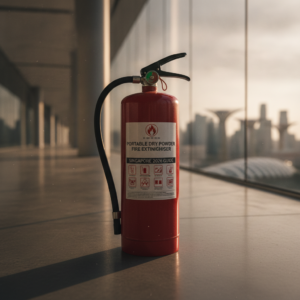
- Dry Powder (A, B, C): Multipurpose for solids, liquids and gases; versatile but can cause cleanup issues.
- Carbon Dioxide (CO2) (B, E): Ideal for electrical equipment and flammable liquid fires; leaves no residue.
- Clean agents (e.g., FM-200) (B, E): Suited for server rooms and sensitive equipment where residue is unacceptable.
- Wet Chemical (F): Specifically formulated for kitchen fires involving cooking oils and fats.
For a step-by-step decision process and sizing recommendations, review the fire extinguisher replacement guide.
Inspection and maintenance: meeting expectations
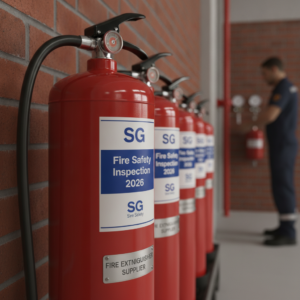
Regular inspection and maintenance keeps extinguishers ready and compliant. Best practices commonly followed in Singapore include:
- Daily or weekly visual checks by on-site staff: gauge reading, tamper seal intact, obvious damage.
- Monthly simple checks and log updates to capture visible issues.
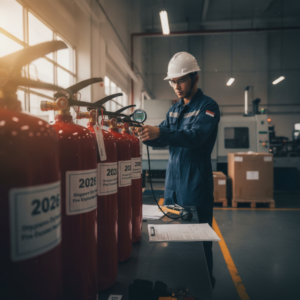
- Six-month inspections by a competent person to confirm pressure, hose integrity and general condition.
Proper documentation and certification are crucial for audits and insurance. Many organisations follow a maintenance timetable and digital log system so records are instantly available.
Certification, compliance and working with licensed vendors
Steps to ensure compliance:
- Use licensed or accredited fire safety contractors for installation and annual servicing.
- Retain service reports, test certificates and tags showing the last service date.
- Ensure extinguishers placed according to approved plans and signage is visible.
- Replace or hydrostatically test extinguishers beyond their serviceable life as required.
Placement, accessibility and practical tips for owners and managers
Correct placement of extinguishers determines how quickly a fire can be tackled. Practical considerations:
- Position extinguishers near likely ignition sources (kitchens, plant rooms, storage areas), but not so close that a fire would block access.
- Mount at an accessible height (visible and reachable) and ensure travel distance meets local requirements.
- Provide clear signage and unobstructed access—blocked extinguishers are effectively useless.
- Train staff in safe use and carry out periodic fire drills so response is practiced, not theoretical.
A risk-based approach helps define the number and type of extinguishers for each floor or room. Consider engaging a fire safety consultant for a formal risk assessment.
Modern trends: technology improving Singapore fire protection system outcomes
Fire protection is evolving with technology, providing more resilience and better data for compliance:
- IoT-enabled devices: pressure sensors and smart tags that report extinguisher readiness to a central dashboard, enabling predictive maintenance.
- Digitised inspection logs: mobile apps replace paper certificates, improving auditability and reducing missed inspections.
- Integration with building management systems (BMS): automatic alerts and coordination between detectors, suppression and building controls.
- Environmentally friendlier agents: greater adoption of clean agents for data centres and sensitive spaces, balancing fire performance and lifecycle impact.
Adopting these trends helps organisations move from reactive to proactive fire safety management.
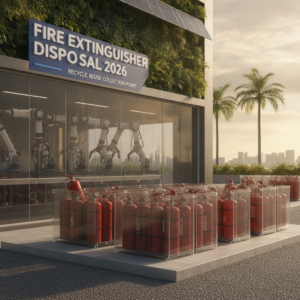
When to replace fire extinguishers and end-of-life considerations
Extinguishers aren’t indefinite. Signs you need replacement include:
- Failed pressure tests or visible corrosion and damage.
- Discharged or partially discharged cylinders that cannot be reliably recharged.
- Components deteriorated beyond economical repair (hoses, gauges, valves).
- Obsolescence—older extinguishers may use agents phased out for safety or environmental reasons.
A planned replacement strategy minimises downtime and ensures uninterrupted protection. For guidance on replacement timing, costs and regulatory triggers, consult the fire extinguisher replacement guide.
Training and drills: ensuring people know what to do
Equipment only protects when people know how to use it. Key training elements:
- Basic extinguisher operation (P.A.S.S. technique: Pull, Aim, Squeeze, Sweep) tailored to local guidelines and the specific types installed.
- Evacuation procedures and roles for fire wardens or floor marshals.
- Regular drills combining alarm activation, evacuation and post-drill reviews.
- Specialist training for any staff expected to operate advanced suppression or gas-based systems.
Training records should be maintained alongside maintenance logs for a complete compliance picture.
Practical checklist for building owners and facility managers
- Conduct a risk assessment to identify hazards and extinguisher types required.
- Ensure extinguishers are correctly placed, accessible and clearly signed.
- Implement monthly visual checks and document them.
- Schedule six-month inspections and annual servicing with qualified contractors.
- Train staff annually and run evacuation drills.
- Consider IoT and digital inspection tools to improve reliability and reporting.
- Engage a reputable local provider for installation, maintenance and compliance support—see a recommended provider’s inspection services here.
Final notes on protecting people and business continuity
By adopting modern inspection tools and partnering with qualified local contractors, building owners in Singapore can maintain compliance and enhance safety in a measurable, cost-effective way.


No comment yet, add your voice below!