

Why this guide matters for Singapore property owners
Fire extinguishers are a simple but essential line of defence against small fires. This practical 2026 guide explains replacement triggers, legal and safety considerations, and steps to make replacement straightforward and cost-effective.
Legal and regulatory context in Singapore
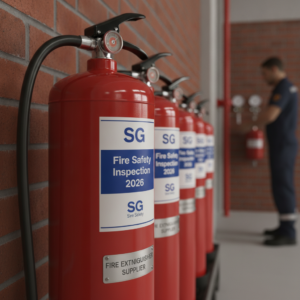
Singapore’s fire safety regime emphasizes regular servicing and documented inspection records. For the latest requirements and servicing protocol, consult the government and authorised inspection providers for guidance on servicing frequency and test requirements. If you need a commercial inspection partner, consider scheduling a professional fire safety inspection.
Note: some extinguisher types require periodic pressure or hydrostatic tests at multi-year intervals, and some older units may no longer meet modern performance standards.
When to replace a fire extinguisher: clear signs and triggers
Replace a fire extinguisher when any of the following apply:
- Visible damage or severe corrosion on the cylinder body or valve assembly.
- Persistent leaks or a pressure gauge that stays in the red despite recharging.
- Extinguisher has been used (even partially) — small discharges can sometimes be recharged, but heavily discharged or contaminated units are best replaced.
- Failed hydrostatic or pressure vessel test.
- Missing or illegible manufacturing/service labels or expired certification tags.
- Internal contamination (e.g., clumping of dry powder due to moisture) or partial clogging that compromises performance.
- Unit age exceeds the manufacturer’s recommended life expectancy.
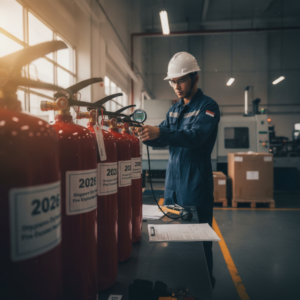
If you’re unsure whether to recharge or replace, get an authorised technician to inspect it. For practical maintenance steps you can do between professional services, see these portable fire extinguisher maintenance tips.
Recharge vs replacement: how to decide
-
Recharge (refill): Suitable when the cylinder and valve are structurally sound, the pressure vessel passes tests, and the extinguisher was only discharged partially. Recharge must be done by certified service technicians and documented.
-
Replace: Required if the cylinder is damaged or corroded, has failed hydrostatic testing, or the extinguisher is obsolete or contaminated. Replacement is also recommended when the cost of repair and testing approaches the price of a new unit.
For hands-on maintenance guidance and when to schedule professional servicing, review our portable fire extinguisher maintenance resource.
Types of extinguishers and replacement considerations
Choosing the correct type matters for both safety and regulatory compliance. Common types used in Singapore include:
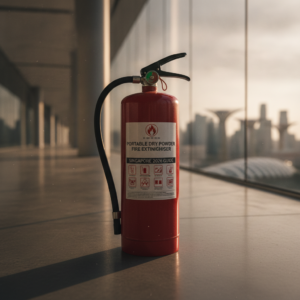
- Dry powder (ABC): Versatile for many hazards, but powder can be corrosive to electronics and kitchens.
- Carbon dioxide (CO2): Effective on electrical and flammable liquid fires; cylinders need careful hydrostatic testing.
- Water or water mist: Suited for Class A fires (wood, paper) and modern mist systems are safer around sensitive areas.
- Foam: Good for flammable liquid fires in commercial settings.
- Wet chemical (Class F): Designed for cooking oil/fat fires — especially important for commercial kitchens.
If you’re selecting replacements for a specific risk profile, the best dry powder fire extinguisher guide helps compare options and suitability.
Inspection checklist: what to look for during routine checks
Conduct monthly visual checks and annual professional servicing. A simple routine checklist for visual inspection includes:
- Is the pressure gauge in the green?
- Is the seal and tamper tag intact?
- Is the label readable with operating instructions?
- Any obvious dents, rust, or damage to the cylinder?
- Signs of leakage or powder buildup around valve/nozzle?
- Is the extinguisher mounted correctly and accessible?
Document every check and keep service tags updated. For more hands-on maintenance tasks and tips, read this detailed maintenance tips article.
Replacement process: step-by-step for building owners
- Identify units that meet the replacement triggers above.
- Confirm extinguisher type required for the location (kitchen, electrical room, general areas).
- Remove and tag decommissioned units so they are not accidentally used.
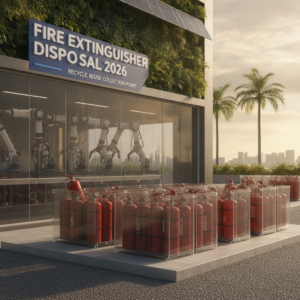
- Dispose of or recycle old cylinders according to hazardous waste regulations — most vendors will handle safe disposal.
- Install new units in approved locations with visible signage and up-to-date maintenance tags.
- Update building fire safety logs and emergency plans to reflect replacements.
Disposal and decommissioning best practices
Do not simply throw cylinders into general waste. Fire extinguisher cylinders are pressurised and some contents are hazardous. Best practice:
- Use an authorised service provider to depressurise, neutralise contents (if needed) and properly recycle the metal cylinder.
- Keep a record of disposal for compliance and audit purposes.
Many reputable service companies include disposal as part of the replacement service, protecting you from environmental and safety liabilities.
Costs and budgeting (Singapore 2026 outlook)
Replacement costs depend on type, capacity and installation needs. As a general expectation in the Singapore market:
- Small portable units (1–2 kg dry powder) are the most affordable options.
- Larger or specialist extinguishers (CO2, wet chemical, wheeled units) are higher cost and may include additional installation or signage fees.
- Annual servicing and documentation is an ongoing cost — budget for yearly inspections plus occasional hydrostatic testing or recharge fees.
Prices fluctuate with market demand, supply chain and regulatory updates.
Choosing a competent service provider
Select suppliers who:
- Provide clear service records, tags and certificates after maintenance or replacement.
- Offer disposal, hydrostatic testing and emergency response advice.
- Can advise on the right extinguisher types and optimal placement for your premises.
For reliable inspection and enforcement-aligned services, consider contacting a registered Singapore fire safety company for inspection.
Smart trends in 2026: what’s changing
- Digital maintenance records and tagging: Facilities increasingly use QR tags and cloud logs to track service history and ensure audit readiness.
- Predictive maintenance: IoT-enabled sensors and smart cabinets that monitor pressure, location and tamper status reduce missed inspections and help plan replacements proactively.
- Greater focus on kitchen and commercial cooking risks: Commercial kitchens now see higher scrutiny and more frequent replacement of wet chemical units.
Integrating these trends into your fire safety program improves reliability and can reduce long-term costs.
Final checklist before you replace
- Confirm the extinguisher type is correct for the hazard.
- Verify the unit’s physical integrity and service history.
- Check for failed tests or contamination that mandates replacement.
- Engage a certified technician for final assessment and safe disposal of old units.
- Update your building’s fire safety register and emergency plans after replacement.
Replacement and responsible maintenance keep people safe and buildings compliant. Taking a proactive, documented approach to fire extinguisher replacement in Singapore reduces risk and simplifies audits — plan replacements as part of a broader fire safety strategy and use qualified partners to get it done efficiently.


No comment yet, add your voice below!