

What Singapore building owners need to know about fire safety 2026
For facility managers, landlords and business owners, these changes emphasise proactive risk management, clearer documentation, and stronger partnerships with certified service providers. This article breaks down the practical implications of the 2026 changes and shows how choosing the right Singapore fire safety company will keep your premises compliant and safer for occupants.
Key changes introduced in the 2026 fire safety updates
Highlights of the 2026 direction include:
- Digital records and audit readiness: Expect requirements for electronic maintenance logs and verifiable service histories during inspections.
- Higher standards for detection and alarm systems: New guidance pushes for interconnected systems, faster notification mechanisms, and compatibility with building management platforms.
- Clearer service-provider qualifications: Companies supplying and servicing fire protection equipment are expected to meet stricter competency and certification requirements.
- Environmental and disposal protocols: The updates recommend safer disposal and replacement routes for end-of-life extinguishers and agents.
These shifts mean that routine practices such as extinguisher servicing, alarm maintenance and record-keeping will be more closely scrutinised during inspections.
How these updates affect day-to-day compliance
- More rigorous documentation: Digital logs must show who performed work, what was done, and when. Missing or poorly-maintained records can trigger enforcement actions.
- Defined service intervals and verification: Owners should verify that their service contractors follow best-practice intervals and produce stamped service reports.
- Upgrades where required: Buildings with legacy systems may need phased upgrades to meet the new alarm interconnectivity and monitoring expectations.
To meet these expectations, engaging a competent Singapore fire safety company is no longer optional — it is central to both operational safety and regulatory compliance.
Choosing the right Singapore fire safety company: what to evaluate
Selecting a service provider is a critical decision. Here’s a checklist to help you pick a partner who meets 2026 expectations:
- Transparent reporting: The company should provide digital, timestamped reports and photographs for every service visit.
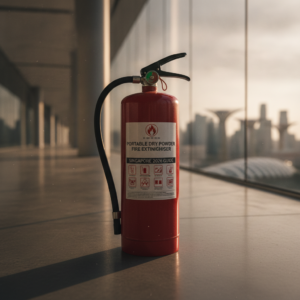
- Equipment knowledge and sourcing: A trusted supplier helps you choose the correct extinguishing agents and units. If you need to source new units, check options such as where to buy dry powder fire extinguisher in Singapore for different risk classes: Buy dry powder fire extinguisher.
- Maintenance and alarm expertise: Providers who also manage fire alarm maintenance and monitoring can streamline compliance and reduce points of failure. Learn more about comprehensive system support here: fire alarm maintenance and protection system.
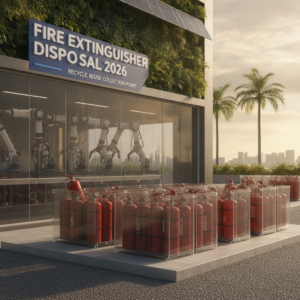
- End-of-life handling and sustainability: Ask how the company disposes of old extinguishers or recovers agents in line with environmental guidance. For proper disposal services, see: fire extinguisher disposal.
A good Singapore fire safety company blends qualified technicians, digital record-keeping and customer education to keep your premises inspection-ready.
Practical checklist: immediate steps to comply with 2026 requirements
Use this checklist to make quick, measurable progress:
- Audit current equipment and records: Catalogue all extinguishers, hydrants, hose reels, fire alarm panels and suppression systems. Verify last-service dates and documentation.
- Prioritise high-risk areas: Kitchens, labs, warehouses with flammable stocks and older mechanical rooms should be on the top of your list.
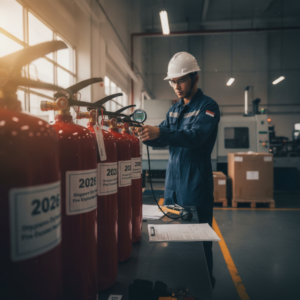
- Schedule certified servicing: Book accredited companies for extinguisher servicing, alarm testing and system calibration. If you require portable units, choose tested options like the portable fire extinguisher solutions.
- Digitise logs and incident histories: Move paper logs to a secure digital system with backups and easy export for inspections.
- Review alarm integration: Ensure alarm systems are interconnected and clearly audible/visible throughout the facility; consider remote monitoring add-ons.
- Plan training and drills: Conduct documented evacuation exercises and role-based training at regular intervals.
- Arrange environmentally responsible disposal: Decommissioning old units should follow correct procedures; use authorised disposal services.
Technology and trends shaping fire safety in Singapore
- IoT and predictive maintenance: Sensors on extinguishers, hydrants and alarm components allow service providers to predict failures and schedule fixes before breakdowns.
- Cloud-based compliance platforms: Digital platforms store inspection histories, certificates and photos that simplify audit responses.
- Smarter alarms and integration: Modern systems integrate with building management for automatic shutdowns, ventilation control and clearer escape guidance.
- Greener extinguishing agents and recycling: The industry is evaluating alternatives that reduce environmental impact while maintaining firefighting performance.
- Mobile-first service delivery: On-site digital reporting and QR-code tagging of equipment speed up verification during enforcement checks.
A forward-looking Singapore fire safety company will offer these modern services or a clear roadmap to adopt them.
Cost considerations and value for money
Regulatory updates may prompt capital investment, but focusing on value over price is crucial:
- Look for bundled services that combine inspections, maintenance and training — this reduces administrative overhead and ensures consistent records.
- Consider lifecycle costing: Replacing outdated equipment with modern units may cost more upfront but lower long-term maintenance and liability risks.
- Request clear, itemised quotations and a service level agreement (SLA) that details response times, reporting formats and escalation paths.
A reputable provider will show how their approach minimises downtime, reduces false alarms and supports faster post-incident recovery.
How to start: engaging a provider and preparing for your next inspection
After the assessment:
- Prioritise remedial items and schedule immediate high-risk interventions.
- Appoint a primary service provider with verified credentials and clear digital reporting processes.
- Implement periodic internal checks to maintain standards between external inspections.
Final note: treating compliance as continuous improvement
Compliance is not a one-off task but an ongoing programme of inspection, documentation, equipment upkeep and staff preparedness. Partnering with a capable Singapore fire safety company that embraces digital reporting, certified servicing and sustainable practices will keep your building safe, employees protected and regulatory risk minimised.

No comment yet, add your voice below!