

Why fire safety matters for every Singapore home and workplace
Fire incidents can escalate within minutes.
Recent regulatory updates and industry practice shifts emphasize not only having the right extinguisher, but ensuring regular servicing, correct placement and trained users.
Which types of fires and extinguishers are relevant in Singapore?
Understanding fire classes helps you pick the correct portable fire extinguisher:
- Class A (combustible solids): wood, paper, textiles — water, water mist or foam extinguishers are suitable.
- Class B (flammable liquids): petrol, oils, paints — foam or dry chemical (ABC) extinguishers.
- Class C (flammable gases): LPG or natural gas — dry powder and specialist handling.
- Class E/Electrical (energised electrical equipment): CO2 or dry powder extinguishers; do not use water.
- Class F (cooking oils/fats): wet chemical extinguishers specifically designed for deep-fat fryer fires.
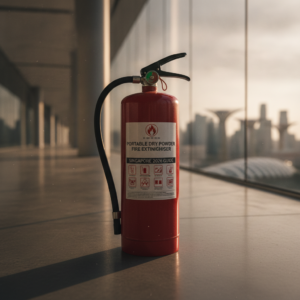
For general-purpose protection in homes and offices, ABC dry powder portable fire extinguishers are common because they cover a broad range of fire classes. If you need guidance on procurement, consult resources such as where to buy dry powder fire extinguisher Singapore.
How to choose the right portable fire extinguisher for your space
Consider these factors when choosing an extinguisher:
- Size and risk profile: A small 1 kg extinguisher might suit a kitchen or car, while larger 4–6 kg units are better for offices and workshops.
- Fire class coverage: Match the agent to the likely fire types in the environment (e.g., wet chemical for restaurant kitchens).
- Certification and compliance: Buy from reputable suppliers; units should meet recognised standards and come with an inspection/service history.
- Ease of use: Select units with clear instructions and minimal activation steps — the simpler the device, the better under stress.
For workplaces, adopt a layered protection approach: portable extinguishers, automatic suppression in high-risk areas, and a functioning alarm system. Learn about integrated protection options at fire alarm maintenance and protection system.
How to use a portable fire extinguisher safely (the PASS method)
The internationally recommended approach to operate a portable fire extinguisher is the PASS technique:
- Pull: Remove the safety pin or ring.
- Aim: Point the nozzle at the base of the flames, not the top.
- Squeeze: Depress the handle to discharge the agent.
- Sweep: Move the nozzle in a side-to-side sweeping motion across the fire’s base until extinguished.
Practical tips:
- Keep a clear route to an exit; never position yourself with the fire between you and the exit.
- Maintain a safe distance: start from the recommended range on the label and step closer if necessary.
When not to use a portable fire extinguisher
- Large or rapidly spreading fires: If a fire is beyond a small, contained blaze, do not attempt to fight it.
- Unknown fuel sources: When in doubt about what is burning, prioritise evacuation and professional responders.
- Structural risk: If smoke, heat or fire threatens structural collapse, leave immediately.
Servicing, inspection and maintenance — staying compliant
Regular servicing keeps extinguishers ready and legal. Key actions include:
- Monthly visual checks: Ensure the pressure gauge is in range, seals and pins intact, no obvious damage or corrosion.
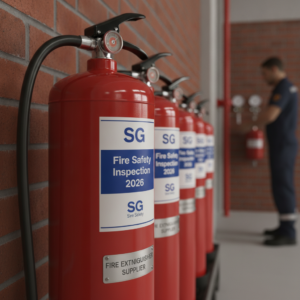
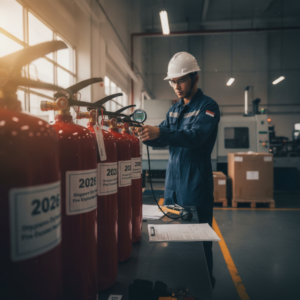
- Annual servicing by licensed technicians: A full functional check, recharge if necessary, and record keeping. See recommended professional servicing at fire extinguisher servicing and safety inspection.
- Periodic pressure/hydrostatic testing: Certain types require pressure testing at specified intervals; follow manufacturer and regulatory guidance.
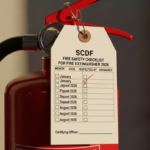
- Proper tagging and record logs: Keep service tags visible and store maintenance records for compliance and audits.
In Singapore, many premises are audited for fire safety standards. Regular maintenance is not only a best practice but often a regulatory expectation for workplaces, F&B outlets and multi-tenant buildings.
Storing and positioning portable fire extinguishers
Correct placement maximises accessibility and effectiveness:
- Mount extinguishers at visible and accessible heights; do not block exits or escape routes.
- Place extinguishers near likely fire sources (kitchens, generator rooms) but not so close that they become unreachable during a fire.
- Use signage and markings to indicate location, and ensure lighting keeps the unit visible in low-light situations.
Disposal and end-of-life handling
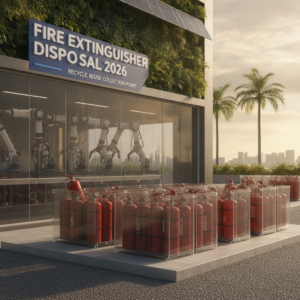
Extinguishers have finite service lives and need safe disposal or recycling. Do not throw charged units into general waste. For responsible end-of-life management, consult guidance on fire extinguisher disposal Singapore. Licensed contractors can depressurise, remove agent residues and recycle metal components safely.
Training, drills and competency — why they matter
Equipment is only effective when people know how to use it. Regular staff training and practical drills reduce hesitation and improve outcomes. Consider:
- Annual hands-on refresher sessions for staff who may be required to use extinguishers.
- Scenario-based drills that simulate common workplace incidents (electrical faults, kitchen grease fires).
- E-learning and VR training: Emerging trends include VR simulations and interactive modules that let staff practise the PASS technique in a safe virtual environment.
Smart trends in fire safety and portable extinguishers
- IoT-enabled monitoring: Smart brackets and sensors can report tampering, low pressure or missing units to maintenance teams in real time.
- Eco-friendlier agents: Manufacturers are developing lower-GWP (global warming potential) agents and improved suppressants with reduced environmental impact.
- Integrated risk systems: Combining alarm, sprinkler and extinguisher maintenance records into unified digital dashboards improves compliance and reduces oversight gaps.
If your site has high public footfall or sensitive operations, discuss integrated protective solutions with providers experienced in both active suppression and alarm maintenance.
Workplace obligations and legal considerations in Singapore
Employers and property managers must take reasonable steps to ensure fire safety. This includes providing appropriate firefighting equipment, conducting risk assessments and ensuring trained personnel are available.
For more information on aligning your systems with industry standards, review combined maintenance strategies at fire alarm maintenance and protection system.
Choosing a vendor and verifying credentials
When procuring extinguishers or servicing contracts, check:
- Supplier accreditation and product certifications.
- Evidence of licensed servicing technicians and warranty terms.
- Transparent maintenance schedules and clear invoicing.
If you need to source extinguishers that meet Singapore conditions, reputable suppliers and channels are listed at where to buy dry powder fire extinguisher Singapore.
Quick emergency checklist for Singapore residents
- Attempt to use a portable fire extinguisher only if it is safe and the fire is small and contained.
- Keep exits clear; evacuate when unsure or if smoke and heat intensify.
- Report used or damaged extinguishers and arrange servicing or replacement promptly.
Responsible disposal and recycling pathways
Expired or damaged units cannot be simply discarded. Work with licensed contractors for safe fire extinguisher disposal Singapore and for environmental compliance.
Final practical tips
- Keep at least one escape route clear when using an extinguisher.
- Match the extinguisher type to the most likely hazards in the area.
- Maintain records and service tags in a readily accessible log for audits.
- Invest in basic training for at least one or two designated staff per shift.
Maintaining readiness through proper selection, regular servicing and practical training will keep portable fire extinguishers a reliable, life-saving tool in Singapore’s residential and commercial settings.

No comment yet, add your voice below!