

Introduction
Keeping buildings safe in Singapore starts with reliable equipment and disciplined maintenance. For facilities managers, business owners and safety officers, choosing the right fire extinguisher supplier and running thorough fire safety inspection routines are non-negotiable in 2026.
Why the right fire extinguisher supplier matters
A competent fire extinguisher supplier does more than sell cylinders. They provide correct hazard assessment, recommend appropriate extinguishing agents, perform certified servicing, and advise on disposal and replacement. Working with a supplier that understands local regulations and offers traceable maintenance records reduces liability and prevents costly downtime.
- Verify their technicians carry relevant certifications and use approved parts.
- Prefer suppliers offering lifecycle services: installation, periodic servicing, hydrostatic testing, recharging, and eco-compliant disposal — see best practices for fire extinguisher disposal 2026.
Understanding expectations and 2026 updates
Key updates in 2026 emphasize better record-keeping, clearer labelling, and integration of digital inspection logs.
Practical fire safety inspection schedule (what to do, and when)
A robust inspection routine combines daily awareness, monthly visual checks, and annual professional servicing. Below is a practical schedule tailored for Singapore workplaces and residential estates.
- Daily/weekly: Quick visual sweep to ensure extinguishers are accessible, unobstructed, and show no immediate damage.
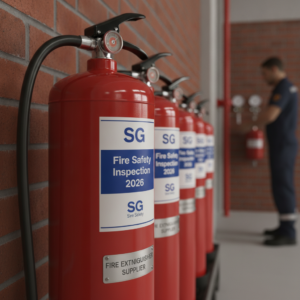
- Monthly: A formal visual inspection to check pressure gauge readings, tamper seals, labels, and expiration or service tags.
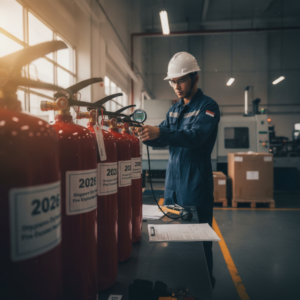
- Annual: Certified servicing by a licensed supplier including weight checks, recharge if required, nozzle and hose inspections, and record updates.
Step-by-step monthly inspection checklist
Use this practical checklist during your monthly fire safety inspection:
- Confirm extinguisher is in designated location and unobstructed.
- Check pressure gauge (in green zone) or weight for non-gauged units.
- Inspect cylinder body for dents, corrosion or leakage.
- Ensure hose/nozzle is intact and free from blockages.
- Verify safety pin and tamper seal are present and intact.
- Confirm service tag is current and legible (date, technician, next due date).
- Clean unit and label any issues on a digital log for follow-up.
Logging these checks digitally helps compliance and speeds audits — many suppliers now support QR-code tagging to access the unit’s service history at a glance.
Working with suppliers: procurement and service best practices
When selecting a fire extinguisher supplier in Singapore, evaluate them on more than price. Key selection criteria:
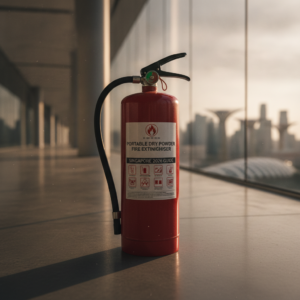
- Product range: Do they supply ABC dry powder, CO2, water mist, foam and clean-agent options suited to your hazards? Consider the best portable dry powder fire extinguisher for broad-spectrum coverage in many workplaces.
- Certification and compliance: Request copies of service technician certifications and product approvals.
- Response times: Suppliers should offer scheduled servicing and emergency call-out options.
- Digital records: Prefer suppliers that issue electronic service reports and support QR or RFID asset tagging.
- After-sales support: Training, drills and replacement programs are valuable.
Negotiate a service contract that defines inspection frequency, parts, and emergency response times. Contracts that bundle supply, maintenance and disposal often reduce administrative burden and improve traceability.
Servicing, recharging and hydrostatic testing explained
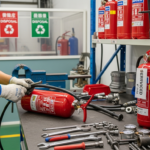
- Servicing: Annual or more frequent inspections where technicians check internal components, seals, and recharge where necessary.
- Recharging: After any discharge or as part of service when pressure is below recommended tolerances.
- Hydrostatic testing: A pressure test that verifies cylinder integrity. Required on specific timelines depending on extinguisher type and manufacturer guidance.
Always ensure recharging uses manufacturer-approved agents and that service labels list technician credentials and the next due date.
Training and correct use
Extinguishers are only effective when staff know how to use them. Training should cover:
- Types of extinguishers and which fires they are suited for.
- PASS technique: Pull, Aim, Squeeze, Sweep.
- Approach and retreat safety, including escape routes and calling emergency services first.
For clear guidance on safe handling and practical user training, consult resources on portable fire extinguisher use.
Record-keeping and digital trends in 2026
2026 sees accelerated uptake of digital inspection workflows across Singapore. Trends to adopt:
- QR-code tags on each unit linking to inspection history and expiry dates.
- Cloud-based inspection logs for instant audit readiness and automatic notifications for upcoming services.
- Mobile inspection apps that allow technicians to submit photos, signatures, and parts-used data in real time.
- IoT-enabled pressure sensors for critical or high-risk installations (warehouses, commercial kitchens) that send alerts when pressure drops.
Disposal and end-of-life considerations
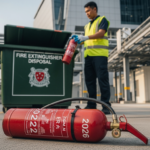
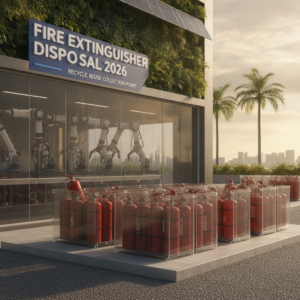
When a unit reaches end-of-life, proper disposal is essential. Suppliers should follow environmentally responsible procedures for agent neutralization and cylinder recycling. Incorrect disposal can create environmental hazards or legal exposure. Learn more about compliant disposal practices in Singapore at this guide on fire extinguisher disposal 2026.
Common inspection failures and how to avoid them
Frequent issues found during fire safety inspection include:
- Missing or illegible service tags.
- Obstructed or relocated extinguishers.
- Low pressure (gauge out of green) due to slow leaks.
- Corroded or dented cylinders from poor storage.
- Incorrect extinguisher type for the hazard at hand.
Avoid these failures by implementing scheduled inspections, immediate corrective maintenance, and supplier-serviced tagging systems.
Cost vs. value: investing in quality suppliers and inspection regimes
While the cheapest supplier may seem attractive up front, true cost includes downtime, potential non-compliance fines, and replacement costs after improper servicing. Value-oriented procurement focuses on total cost of ownership:
- Reliability and response times.
- Quality of parts and recharge agents.
- Digital records that reduce audit time.
- Training and preventive maintenance services that reduce incident risk.
Quick action checklist for facilities managers
- Contract a reputable supplier that provides certified servicing and digital records.
- Institute monthly visual inspections and annual certified servicing with documented results.
- Adopt QR tagging or cloud logs to streamline inspections and audits.
- Train staff on PASS and safe use, and run periodic drills.
Final notes
Staying ahead in 2026 means pairing the right fire extinguisher supplier with disciplined, well-documented fire safety inspection processes. Embrace digital inspection tools, insist on certified servicing, and prioritize clear records and responsible disposal.

No comment yet, add your voice below!