

Introduction
Why fire extinguisher compliance matters in Singapore 2026
TUV SUD PSB approved fire extinguishers meet standards for performance, reliability and safe operation. Whether you manage an HDB unit, commercial premises, or a factory, having the correct portable fire extinguisher and valid maintenance records reduces risk, meets legal obligations and speeds up insurance claims when incidents occur.
Key reasons to prioritise compliance:
- Legal and insurance requirements: Non-compliance can lead to fines or coverage issues.
- Effective response: The right extinguisher type and rating improves first-response effectiveness.
- Workplace safety: Properly serviced extinguishers protect staff and visitors.
Types of fire extinguisher: choosing the right one for your space
Not all extinguishers fight the same fires. Selecting a suitable type for the likely hazards on site is essential.
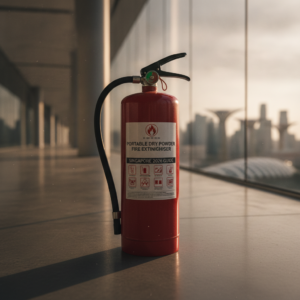
- Dry Powder (ABC): Versatile and common for mixed-risk areas. Effective on Class A (wood/paper), B (flammable liquids) and C (flammable gases/electrical) fires. Read more about dry powder essentials here: dry powder essentials.
- Water (Class A): Best for solid combustible materials like wood or paper. Not suitable for electrical or flammable-liquid fires.
- Foam (AB): Good for Class A and B fires (liquid fires). Foam forms a blanket to suppress vapours.
- Carbon Dioxide (CO2): Ideal for electrical fires and small liquid fires; leaves no residue but has limited range and cooling effect.
- Wet Chemical (K): Designed for cooking oil/fat fires (common in F&B outlets and kitchens).
Sizing, placement and installation tips
- Size and rating: Larger units hold more agent and give longer discharge times, but must still be manageable for staff to operate. Use smaller, more accessible units near potential ignition sources and larger units in high-risk areas.
- Mounting height and visibility: Extinguishers should be mounted at recommended heights, clearly visible, and close to escape routes.
- Signage: Use pictograms and signs that meet local standards so anyone can quickly identify and use the extinguisher.
- Accessibility: Avoid placing extinguishers behind doors or obstructions. Keep a clear path and use secure brackets to prevent accidental displacement.
Maintenance, servicing and disposal — staying compliant
Regular checks and professional servicing are the backbone of ongoing compliance. Typical responsibilities include:
- Daily/weekly visual checks by occupants or designated person: ensure gauge in the green, pin and tamper seal intact, no obvious damage or corrosion.
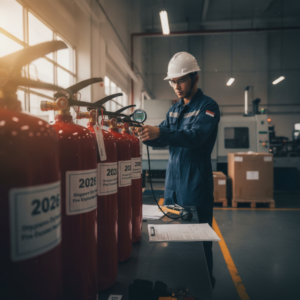
- Scheduled professional servicing: have extinguishers serviced by an authorised contractor at recommended intervals.
- Hydrostatic testing and refills: certain agents require periodic pressure testing or refilling rather than replacement.
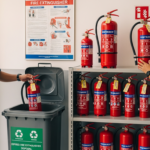
- Disposal and replacement: extinguishers that have passed their service life, are corroded, or fail testing must be disposed of and replaced safely.
For practical steps on where to dispose and replace extinguishers in Singapore, use this local resource: where to dispose and replace fire extinguishers.
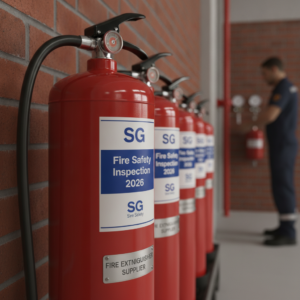
Also factor in regular fire safety inspections and alarm maintenance to create a full protective system across your premises: fire safety inspection and maintenance.
Buying checklist: what to look for when you purchase
Use this checklist when you buy a fire extinguisher in Singapore:
- Correct class and rating for your hazards.
- Manufacturer and supplier credentials: buy from reputable suppliers who provide certification and service options.
- Service and maintenance plans: compare quotes that include installation, tagging and annual servicing.
- Warranty and parts availability: ensure refills and spare parts are readily available locally.
- Clear documentation: delivery notes, compliance certificates and a maintenance log are essential for audits.
Training and drills — making equipment effective
A well-chosen extinguisher is only useful if people know how to operate it. Include regular hands-on training and tabletop drills for staff:
- Teach the PASS technique: Pull, Aim, Squeeze, Sweep.
- Run small, supervised practice sessions with training units.
- Integrate extinguisher use into fire evacuation drills.
- Keep training records along with equipment maintenance logs for compliance purposes.
New trends in 2026: smart extinguishers and digital compliance
The fire safety sector in Singapore is adopting digitisation and remote monitoring to meet tighter compliance workflows and to improve reliability.
Trends to watch:
- IoT-enabled status monitoring: sensors that report pressure, tamper seals and location to a central dashboard reduce missed checks and speed up servicing calls.
- QR-code inspection logs: scan-to-access service history and certificates make inspections quicker and paperless.
- Predictive maintenance: analytics that flag declining pressure or corrosion trends before failure.
- Low-environmental-impact agents: suppliers are introducing agents with lower global warming potential for certain applications.
These innovations can make ongoing compliance easier and more cost-effective, especially for multi-site businesses.
Cost considerations and budgeting
Budgeting to buy an extinguisher includes the initial purchase, installation, and recurring maintenance. Typical cost drivers:
- Type and size: specialist agents (e.g., wet chemical, CO2) and larger capacities cost more.
- Service contracts: annual servicing and emergency call-outs add ongoing costs, but often reduce long-term risk.
Factor replacement schedules into capital planning. A small fleet of units with digital monitoring can reduce labour costs for manual checks and lower the chance of failed audits.
Where to buy and replace in Singapore
Major suppliers typically offer on-site surveys to recommend the right types and locations for extinguishers.
For a quick start on where to replace or dispose of old extinguishers, consult this local resource: where to dispose and replace fire extinguishers. If you manage a larger estate, coordinate with your facility manager to schedule inspections and upgrades using the national inspection guidelines: fire safety inspection and maintenance.
Final checklist before you buy
- Confirm the extinguisher type matches hazard classes on site.
- Verify supplier provides installation, tagging and a maintenance plan.
- Ask about IoT or digital record options to simplify compliance.
- Keep documentation for audits: purchase receipts, compliance certificates and service logs.
Summary
By prioritising certified suppliers, scheduled servicing, and staff training, you’ll ensure extinguishers are ready when needed — protecting lives, property and meeting regulatory expectations.
Useful links
- Portable extinguisher guidance: portable fire extinguisher guide
- Dry powder safety essentials: dry powder essentials
- Disposal and replacement: where to dispose and replace fire extinguishers
- Fire safety inspections: fire safety inspection and maintenance
Make your purchase, installation and maintenance decisions with compliance and practicality in mind — your extinguishers should be simple to access, simple to use and reliably ready.

No comment yet, add your voice below!