

Introduction
Selecting the right portable fire extinguisher in Singapore is more than a purchase — it’s a requirement for life-safety, insurance compliance and peace of mind. This 2026 buying guide explains what TUV SUD PSB approval means, compares extinguisher types and sizes, outlines maintenance and inspection expectations, and highlights modern trends to future-proof your choice.
Why TUV SUD PSB approval matters
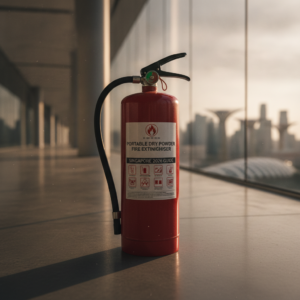
A TUV SUD PSB approved portable fire extinguisher has been tested and verified to meet Singapore’s safety standards. Using non-approved equipment can lead to failed inspections, voided insurance claims and — most importantly — a false sense of security.
TUV SUD PSB approval ensures:
- The extinguisher discharges the rated agent and performs to its class rating.
- Labelling and instructions are clear and compliant with local regulations.
- Documentation and maintenance requirements are traceable during inspections.
For consumers, it means choosing a product whose performance you can trust.
Portable fire extinguisher types: which class do you need?
Extinguishers are designed for specific fire classes. Choosing the right class is the first step in buying the correct portable fire extinguisher:
- Class A: For ordinary combustibles like wood, paper and textiles. Suitable for most general-purpose needs.
- Class B: For flammable liquids and gases such as petrol, solvents and paints.
- Class C: For fires involving electrical equipment. Note: extinguishers for electrical fires are often rated both C and another class.
- Class F (K in some standards): For cooking oil and deep-fat fryer fires — crucial for kitchens and food businesses.
Many modern extinguishers carry combined ratings (for example A-B-C) for broader protection. When in doubt, match the extinguisher class to the most likely ignition source in the space.
Size and discharge time: balancing coverage and portability
Portable extinguishers come in a variety of capacities. In Singapore you’ll commonly see 1kg, 2kg, 3kg, 4.5kg and 9kg options (depending on agent type). Key considerations:
- Home use: Smaller units (1–3kg) are easy to store and operate but provide less discharge time. Keep them near kitchens and escape routes.
- Offices and retail: 3–6kg units usually strike a balance between ease of use and longer discharge times.
- Industrial sites: Larger 9kg units or mounted systems are typical where fuel loads are high.
Always consider who will use the extinguisher. A bulky 9kg unit may be hard for some people to operate; smaller, strategically placed units plus staff training often deliver better outcomes.
Placement and mounting: accessibility and visibility
Correct placement ensures an extinguisher is available when seconds count:
- Mount extinguishers near likely fire sources (kitchens, plantrooms, electrical panels) but not so close that occupants must pass through fire to reach them.
- Keep them visible, unobstructed and mounted at an accessible height.
- Distribute units to limit travel distance to an extinguisher.
If you manage a commercial property, coordinate extinguisher locations with your emergency escape plans and ensure signage is clear for visitors.
Maintenance, inspection and documentation
Regular maintenance keeps an extinguisher reliable. A practical regime includes:
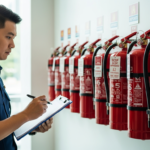
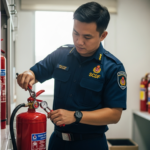
- Monthly visual checks by onsite staff: pressure gauge in range, tamper seal intact, no visible damage or corrosion.
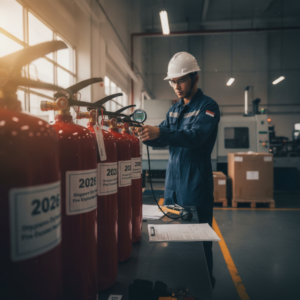
- Annual servicing by a licensed contractor: a full functional test, agent condition check and refilling or replacement as required.
For professional servicing and maintenance options, look into authorised providers that offer scheduled contracts and digital records — this reduces the administrative burden.
For comprehensive servicing guidance, consult an established maintenance provider such as the ones listed in this resource: fire extinguisher maintenance & alarm services.
Passing inspections: practical tips
Practical steps to pass inspections include:
- Keep service records and maintenance logs up to date and readily available.
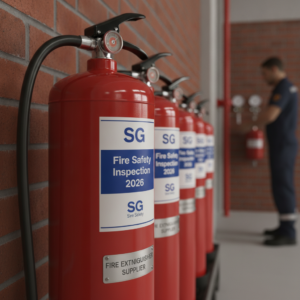
- Use only TUV SUD PSB approved portable fire extinguisher models and ensure labels remain legible.
- Replace or service units showing corrosion, pressure loss, or expired tags before scheduled inspections.
If you’re uncertain about inspection readiness, specialised contractors can conduct pre-inspection audits and corrective servicing. See guidance on how to pass fire safety inspections for extinguishers in Singapore.
Replacement and end-of-life considerations
Extinguishers are consumables: they require replacement when the agent degrades, mechanical parts fail, or after specific test intervals. Replace handheld units when:
- They fail hydrostatic testing or cannot be economically overhauled.
- The extinguisher agent is contaminated or depleted.
- The cylinder shows structural damage or excessive corrosion.
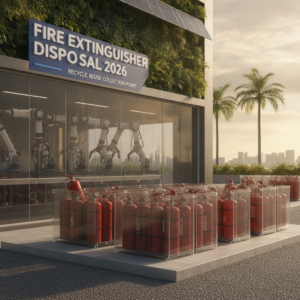
Proper disposal is essential. Many suppliers and service companies collect end-of-life extinguishers and handle safe disposal or recycling. For practical replacement tips and signs it’s time to upgrade, review this resource: portable fire extinguisher replacement tips.
Buying from a supplier: what to check
- Installation, mounting hardware and signage.
- Ongoing maintenance contracts and digital record options.
- Training for staff on correct operation and limitations of the extinguisher.
Compare quotes not just on price, but on included services: delivery, installation, testing and long-term maintenance. A reputable vendor will also advise on optimum types and placement for your specific risk profile. Consider suppliers that combine extinguisher sales with alarm and servicing options: fire extinguisher suppliers and maintenance.
Smart trends in extinguishers and inspection (2026)
Several trends are reshaping fire-safety procurement and management:
- Digital tagging and QR-coded inspection logs: inspectors can instantly verify service history and compliance on-site.
- IoT-enabled cabinets: some commercial installations now feature monitored extinguisher cabinets that alert facilities teams if the unit is removed or pressure drops.
- Eco-friendly agents: manufacturers are improving environmental profiles with agents that reduce ozone impact and are less toxic in confined spaces.
- Combined system planning: integration of extinguishers with suppression, alarms and building management systems for coordinated response.
Adopting products and providers that support these trends can help future-proof your investment and simplify compliance.
Quick buying checklist
- Confirm the extinguisher is TUV SUD PSB approved and matched to the fire class risk.
- Choose the right capacity that your staff can operate effectively.
- Ensure mounting locations are visible, accessible and compliant with escape routes.
- Verify the supplier offers installation, testing and a maintenance contract.
- Request digital inspection records or QR-tagging to simplify audits and inspections.
If you need a focused inspection or pre-purchase audit, professional services can assess risk, recommend extinguisher classes and create a compliant fire-safety plan.
Final notes: safety-first purchasing in Singapore
Buying a portable fire extinguisher that’s TUV SUD PSB approved is an investment in safety, regulatory compliance and operational resilience. In 2026, integrate practical choice—right class and capacity—with modern features like digital tagging and scheduled maintenance contracts. Partner with a trusted supplier who supplies, installs and services extinguishers, and who can help you pass inspections smoothly. For a complete service package including inspection readiness, supplier selection and maintenance plans, consider providers who specialise in end-to-end fire safety solutions: pass fire safety inspection and maintenance services.
Prioritise clarity on class, capacity and service — and keep documentation current so your extinguisher protects lives and property when it matters most.

No comment yet, add your voice below!