

Why this guide matters for Singapore property owners
Fire safety is non-negotiable in Singapore’s dense urban environment. This guide explains what every facilities manager, landlord and business owner should know in 2026 about portable fire extinguisher inspection, servicing and choosing compliant providers.
Understanding the legal and regulatory landscape
Singapore’s fire safety framework expects owners to maintain firefighting equipment in good working order. Many buildings are audited during inspections, and non-compliance can result in fines or orders to rectify.
Types of portable fire extinguisher and why servicing differs
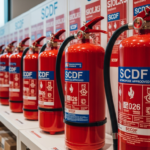
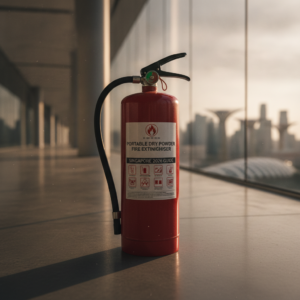
Portable fire extinguishers come in several types — water, foam, CO2, dry chemical (ABC), wet chemical, and clean agents. Each has different inspection needs:
– Water and foam units: check for corrosion, seals, and pressure gauges.
– CO2: inspect discharge horns and ensure cylinders are undamaged.
– Dry chemical: check pressure, seals, and for caking or moisture contamination.
– Wet chemical: especially important in commercial kitchens; verify seals and agent condition.
Servicing frequency and tasks vary by type. Regular visual checks catch obvious issues; full maintenance requires an accredited technician.
Routine checks you should do monthly
You don’t wait for a professional to keep basics in order. Monthly checks by in-house staff should include:
– Confirm extinguisher is in its designated place, clearly visible and accessible.
– Ensure pressure gauge is in the green (where applicable).
– Verify tamper seals and safety pins are intact.
– Inspect for physical damage, corrosion, leakage or clogged nozzles.
– Ensure signage and instructions nearby are legible.
For more detailed, actionable advice on everyday care, follow comprehensive maintenance guidance such as these essential portable fire extinguisher maintenance tips: portable fire extinguisher maintenance tips.
Professional servicing schedule (what expects)
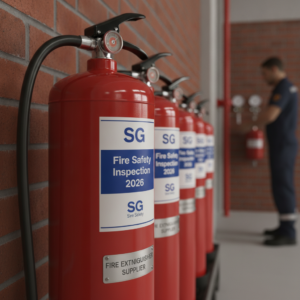
Professional servicing intervals remain a critical compliance item in 2026.
Make sure your contractor documents each service and provides a service tag and report. If you want TUV SUD PSB approved procedures and documentation, seek providers that advertise TUV SUD PSB approved fire extinguisher maintenance: fire extinguisher servicing.
What happens during a professional service
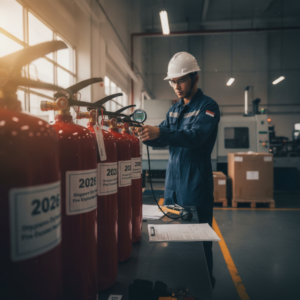
A typical professional service includes:
– Full visual inspection and pressure check.
– Disassembly where needed: check internal components and agent integrity.
– Recharging or replacement of extinguishing agent.
– Re-pressurising cylinders and leak testing.
– Replacing or repairing hoses, nozzles, gauges and tamper indicators.
– Labelling and updating service records and tags.
Keep all records on file for inspections.
Choosing a vendor: qualifications and questions to ask
Selecting the right fire safety company is as important as the servicing itself.
Local companies that offer integrated fire safety inspections and maintenance can streamline compliance: Singapore fire safety company.
Budgeting: what servicing typically costs in 2026
Costs vary by type, number of units and condition. Expect these line items:
– Annual inspection/service fee per unit.
– Recharge costs for used units (agent cost and labour).
– Replacement cylinders or components for damaged units.
– Hydrostatic testing and certification fees.
– Planned replacement budget for units older than recommended life span (often 10–15 years depending on type).
Request itemised quotes and compare total lifecycle cost, not just the lowest service visit price. A reputable vendor will offer transparent pricing and maintenance contracts.
Documentation you must keep
Good records are your best defence during audits. Maintain:
– Service reports and tags for every extinguisher.
– Hydrostatic test certificates.
– Inventory list with location, type, purchase/installation dates and serial numbers.
– Incident reports if an extinguisher is used and subsequently serviced or replaced.
Digital record-keeping is becoming common — mobile apps and cloud logs make it easier to track history and generate compliance reports on demand.
New trends in 2026: digital inspections and greener agents
Two major trends shaping servicing in 2026:
1) Digital inspection platforms: Technicians use mobile apps to log inspections, upload photos and sync records to cloud systems. This improves traceability and simplifies audits.
2) Sustainable agents and recyclable components: Manufacturers are introducing less-toxic agents and recyclable cylinders. Facilities focused on ESG goals may prioritise greener extinguishers and vendors that responsibly dispose of replaced agents.
If your facility is upgrading systems, coordinate extinguisher servicing with wider fire protection audits, including sprinkler and alarm systems reviews: fire protection system inspection 2026.
When to replace instead of repair
Extinguishers are not meant to last forever. Consider replacement when:
– The cylinder fails hydrostatic testing.
– The extinguisher is heavily corroded, damaged or repeatedly failing performance tests.
– The extinguisher type is obsolete or no longer recommended for the specific hazard.
– Replacement cost approaches or exceeds the price of a new, compliant unit.
Replacing with the correct class and capacity improves safety and often lowers long-term maintenance costs.
Integrated approach: combining maintenance with staff training
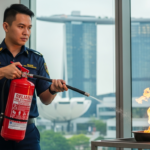
An extinguisher only saves lives if people know how to use it. Combine servicing contracts with staff training sessions so employees can safely operate portable fire extinguishers and understand when to evacuate.
Many professional fire safety companies bundle training, inspections and maintenance — a convenient option for offices, factories and residential complexes. Look for vendors offering bundled services to simplify compliance: Singapore fire safety company.
Quick checklist for your next service appointment
- Ensure inventory is up-to-date with locations and types.
- Schedule annual servicing before peak inspection months.
- Request digital service reports and archived records.
- Prepare a replacement budget for units older than recommended service life.
For practical, hands-on maintenance tips and daily checks, review an established maintenance checklist: essential fire extinguisher maintenance tips.
Final recommendations for Singapore owners in 2026
Fire extinguisher servicing is an ongoing obligation — not a one-time task. Adopt a proactive maintenance plan that includes monthly in-house checks, annual professional servicing, and lifecycle replacements. Use TUV SUD PSB approved services for legal compliance and maintain clear, digital records to simplify inspections. When selecting a service provider, prioritise accreditation, transparent pricing, and the ability to integrate inspections with broader fire protection system audits for a comprehensive safety program.
Ensure all extinguishers on-site receive proper attention so your building meets regulatory standards and occupants stay protected.

No comment yet, add your voice below!