

Singapore workplaces and residential complexes must treat fire safety as a continuous programme, not a one-off purchase. The right fire extinguisher — correctly selected, serviced and inspected — is a critical last line of defence. This 2026 guide explains how to choose the appropriate unit, what a professional fire safety inspection looks like in Singapore, maintenance best practices, common compliance pitfalls and emerging trends you should plan for this year.
Why regular fire safety inspection matters in Singapore
A fire extinguisher on the wall is only effective if it works when needed. Regular fire safety inspection ensures equipment is fully charged, serviceable and located where occupants can access it quickly.
Routine fire safety inspection reduces false confidence and prevents small defects from becoming failures during an emergency. Inspections also ensure labels, instructions and safety signage remain legible and that tamper seals, hoses and nozzles are intact. Regular checks are essential for insurers, building managers, and anyone responsible for workplace safety.
Types of fire extinguisher and selecting the right unit
Understanding extinguisher classes is the first step:
- Water (Class A): for ordinary combustibles such as wood and paper.
- Foam (A and B): for Class A and flammable liquid fires.
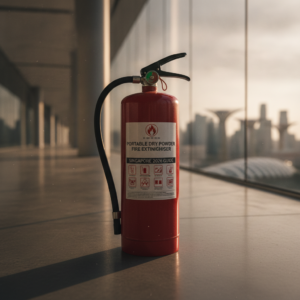
- Dry powder (A, B, C): versatile and common in mixed-risk spaces.
- CO2 (B, electrical): ideal for electrical fires and flammable liquids without residue.
- Wet chemical (K/F): for cooking oil and grease fires.
For many commercial settings in Singapore, dry powder units are a popular choice for their versatility. If you expect kitchen fires or cooking oil risk, wet chemical extinguishers are mandatory in certain premises. For guidance on dry powder units and their correct use, consider reading a focused resource on dry powder units.
How often should you perform a fire safety inspection?
Inspection frequency has two layers:
- Daily/weekly visual checks by on-site personnel: ensure the extinguisher is in place, unobstructed, with a clear pressure gauge and an intact tamper seal.
- Monthly basic inspections: documented checks that include mounting, signage and immediate defects.
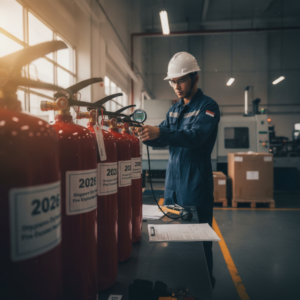
- Annual professional servicing: a certified technician performs a full maintenance check and recharge if required.
- Extended thorough checks (every 5 or 10 years): internal examinations, hydrostatic testing or replacement depending on manufacturer and regulatory guidance.
Many businesses pair monthly internal checks with annual servicing to meet compliance and maintain readiness. If you need practical replacement advice, check these portable fire extinguisher replacement tips.
What a professional fire safety inspection includes
A certified fire safety inspection typically covers:
- Visual and pressure-gauge checks to verify operability.
- Inspection of mounting brackets, signage and accessibility.
- Verification of correct agent type for the hazard and expiry dates.
- Tamper seal and pin integrity, nozzle and hose condition.
- Weight checks and agent level verification for stored-pressure units.
- Documentation and tagging of defects, repairs and replacement dates.
Qualified technicians will also test related systems when contracted: fire alarms, sprinkler systems and emergency lighting. Many organisations choose combined servicing packages — for example, coordinated fire alarm maintenance and fire extinguisher servicing — to simplify compliance and record-keeping.
A practical onsite inspection checklist
Use a simple checklist during a monthly walk-around:
- Is the extinguisher visible and unobstructed?
- Is the pressure gauge in the green zone?
- Are safety pins and tamper seals intact?
- Is the unit free of dents, corrosion or obvious mechanical damage?
- Are the operating instructions legible and facing outwards?
- Is the mounting bracket secure and properly labelled for the hazard class?
- Is the inspection tag current and signed?
Document each check with initials, date and corrective actions. Digital photos are helpful for trend tracking and handover to cleaning or maintenance crews.
Common faults and how to fix them
Frequent issues found during inspections include low pressure, blocked nozzles, faded or missing labels, and damaged hoses. Many of these are straightforward: recharge or replace pressure vessels, service blocked hoses, and relabel where needed. However, units showing corrosion, a ruptured cylinder or failed hydrostatic tests must be withdrawn from service and replaced.
For dry powder units specifically, correct storage and periodic dusting around the discharge outlet prevents caking and nozzle blockage. Read more about professional options for dry powder fire extinguisher servicing.
Record-keeping: documentation that meets compliance
Good documentation demonstrates due diligence: keep inspection tags on each extinguisher, a central log (paper or digital), and service invoices from certified technicians. Records should note every visual check, monthly inspection, annual service and corrective action taken. Digital logs with timestamps, technician names and photos are increasingly accepted and simplify audits.
Replacement vs servicing: when is it time to replace?
Not every failed check requires replacement. Minor fixes, recharges and parts swaps are often enough. Replace an extinguisher when:
- The cylinder fails hydrostatic testing or has severe corrosion.
- The repair exceeds a sensible percentage of replacement cost.
- The extinguisher is past its manufacturer-recommended service life.
If you need up-to-date advice on replacement criteria and practical steps, the portable fire extinguisher replacement tips resource offers clear guidance.
Integrating inspections into your fire safety programme
An effective fire safety programme ties together risk assessments, staff training, maintenance schedules and clear responsibilities. Key actions:
- Assign an accountable person for daily and monthly checks.
- Train staff in extinguisher selection and safe use; practical drills build confidence.
- Schedule annual professional inspections and keep certificates on file.
- Conduct periodic mock drills that include locating and operating a fire extinguisher safely.
For high-risk areas like commercial kitchens, ensure the extinguisher type and placement meet local guidance and that staff are trained on wet chemical systems.
2026 trends: digitalisation and smarter inspection workflows
Singapore’s fire safety ecosystem is increasingly adopting digital tools:
- QR-tagged extinguishers that link to service history and next inspection dates.
- Mobile inspection apps for checklists, photos and real-time defect reporting.
- IoT-enabled sensors that monitor pressure and send alerts for out-of-range readings.
- Integrated maintenance contracts combining fire alarm and extinguisher servicing for a single point of accountability — see combined fire protection system and fire safety inspection offerings.
These innovations reduce human error, improve audit readiness and can lower insurance premiums by demonstrating proactive risk management.
Training and human factors: people make the difference
Equipment is only as effective as the people who use it. Regular, hands-on training ensures occupants can safely operate an extinguisher and understand when to fight a small fire versus evacuating. Training should include:
- PASS technique (Pull, Aim, Squeeze, Sweep).
- Recognising different extinguisher classes and their limitations.
- When to prioritise evacuation over firefighting.
Document attendance and refresh training every year or whenever your workplace layout or risk profile changes.
Choosing a servicing partner in Singapore
When selecting a contractor for fire extinguisher servicing and fire safety inspection, look for:
- Certification and accreditation to local standards.
- Transparent service reports and digital record delivery.
- Bundled options for alarms, sprinklers and extinguishers to simplify compliance.
- Clear turnaround times and emergency call-out provisions.
Trusted providers also offer guidance on optimising the mix of extinguisher types for your premises. For comprehensive maintenance packages, explore options that combine routine servicing and alarm work, such as fire alarm maintenance and fire extinguisher servicing.
Final checklist before you finish this read
- Confirm the extinguisher type is correct for each hazard area.
- Ensure monthly visual checks are logged and visible.
- Schedule annual professional servicing and keep certificates.
- Use digital tools or QR tags to centralise records where possible.
- Train staff on safe extinguisher operation and evacuation protocols.
For specific product guidance about dry powder units and selection criteria, reference dedicated materials on dry powder units and professional servicing options linked earlier.
Regular, documented fire safety inspection and thoughtful extinguisher selection are affordable investments that protect lives, property and business continuity. Implement these steps this year to meet compliance expectations and to make sure your firefighting equipment will work when you need it most.

No comment yet, add your voice below!