

Why fire safety inspection matters in Singapore
For workplaces, residential complexes and public venues in Singapore, a robust fire safety regime is non-negotiable. Fire safety inspection is the backbone of that regime: it identifies hazards, verifies that equipment functions correctly and ensures compliance with statutory requirements. Beyond regulatory compliance, regular inspections reduce downtime, lower insurance risks and protect lives and assets.
A professional singapore fire safety company brings technical expertise and local knowledge to this process. Choosing the right partner helps you turn inspection findings into practical maintenance plans and keeps your building audit-ready year-round.
What a Singapore fire safety company does during an inspection
A competent fire safety inspection covers people, processes and plant. Typical services from an experienced provider include:
- Visual checks and functional tests of fire detection and alarm systems
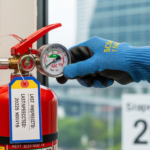
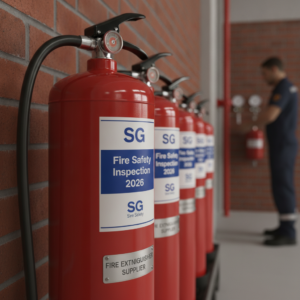
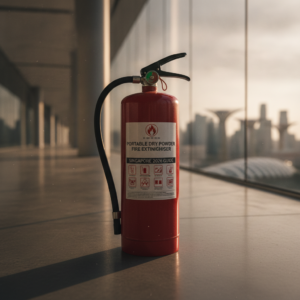
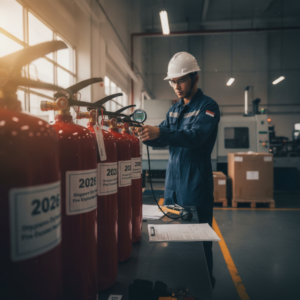
- Inspection, pressure checks and tagging of fire extinguishers
- Testing of sprinkler systems, valves and water supplies
- Emergency lighting, signage and smoke control verification
- Evacuation plan review and escape route assessment
- Documentation audits, corrective action plans and remediation scheduling
For practical extinguisher care, many organisations reference an essential fire extinguisher maintenance tips resource to keep daily checks straightforward.
The 2026 inspection checklist: what to expect
As inspections evolve, the fundamentals remain the same—but the bar for documentation and traceability keeps rising. Use this checklist to ensure your site is ready for both routine checks and deeper audits:
- Fire detection & alarm systems: test detectors, alarm panels, battery backups and signal transmission logs.
- Fire extinguishers: confirm correct type, accessibility, pressure readings, tags and hydrostatic test dates.
- Sprinkler & hydrant systems: verify water pressure, flow, valve positions and tamper switches.
- Emergency lighting & signage: ensure illumination, duration tests and correct directional signage.
- Smoke control & compartmentation: inspect doors, seals, fire-rated partitions and any automatic door-closing devices.
- Evacuation procedures: ensure assembly points, evacuation signage and staff briefing records are current.
- Documentation: confirm maintenance logs, certificates and previous inspection reports are available.
For inspections focused specifically on system integrity and statutory requirements, consider a specialist trial such as a 2026 fire protection system safety inspection that covers both mechanical and electrical interfaces.
Regulations and expectations
- Know required inspection periodicity for different systems
- Supply competent persons and certified technicians for statutory work
Choosing the right inspection partner: practical tips
Picking the right singapore fire safety company is as much about capability as it is about fit. Use these criteria when evaluating suppliers:
- Accreditation & approvals: Ensure technicians are certified and the company has relevant approvals.
- Range of services: Look for providers that can do both inspections and follow-on maintenance to reduce coordination overhead.
- Transparent reporting: Inspection reports should be clear, prioritised and include actionable timelines.
- Technology & traceability: Mobile-enabled reports, QR-tagged equipment and digital logs improve audit readiness and reduce manual errors.
If you need reliable equipment sourcing in addition to inspection services, check options such as a top fire extinguisher supplier to couple supply with ongoing maintenance.
Common issues discovered during inspections and how to fix them
Inspections frequently reveal repeatable problems. Knowing them in advance allows you to pre-emptively allocate budget and resources:
- Expired or untagged extinguishers: Replace or recharge extinguishers and update tagging.
- Low sprinkler pressure: Investigate supply valves, check for leaks and ensure pump maintenance.
- Non-functioning detectors: Clean sensors, replace batteries or faulty heads and re-test system zones.
- Blocked escape routes: Reinforce housekeeping policies, add signage and relocate storage away from egress paths.
- Incomplete documentation: Maintain a central repository of certificates, inspection logs and corrective actions.
A proactive singapore fire safety company will not only report these issues but also propose prioritized remediation plans and carry out repairs under scheduled maintenance contracts.
Preparing your premises for inspection
Preparation reduces inspection time and the number of defects found. Follow these practical steps:
- Compile equipment lists and previous reports in a single folder—digital or physical.
- Ensure clear access to sprinkler risers, electrical rooms and fire control panels.
- Tag and label extinguishers and ensure staff can present usage logs if required.
- Run a basic evacuation drill so staff are aware of roles and routes.
- Replace expired batteries in emergency lighting and check that all signage is clean and visible.
Providing this basic housekeeping not only speeds up the inspection but also demonstrates an active safety culture to both inspectors and insurers.
Technology and trends shaping inspections in 2026
Inspections are becoming more data-driven. Trends to watch and incorporate in your strategy include:
- IoT and remote monitoring: Sensors and connected devices can report pressure, battery status and faults in near real-time, allowing predictive maintenance.
- Mobile inspection apps: Technicians can capture photos, fill forms and issue digital certificates on-site, reducing report turnaround time.
- QR-tagging and asset management: Tagging extinguishers and panels with QR codes links equipment to maintenance histories instantly.
- Integrated FM platforms: Combining fire safety data with facilities management systems helps prioritise fixes and manage budgets.
Adopting a singapore fire safety company that invests in these tools will keep your site future-ready and streamline compliance workflows.
Cost, frequency and planning
Inspection frequency depends on system type and usage: some components require monthly checks (e.g., fire extinguishers basic checks), others quarterly or annually (e.g., full alarm system tests, sprinkler system flow tests). Budgeting should consider:
- Routine inspection fees and minor repairs
- Periodic certification tests (hydrostatic tests, full system simulations)
- Replacement of obsolete or non-compliant equipment
- Technology upgrades (IoT sensors, digital logging)
A long-term maintenance contract with a trusted provider often reduces lifecycle costs and ensures predictable servicing windows.
Case example: integrating inspection with maintenance
A mid-size office building in Singapore reduced false alarms and equipment downtime by partnering with a single fire safety provider. The company performed quarterly inspections, implemented QR-tagging of extinguishers and migrated records to a cloud platform.
For organisations that want to prioritise extinguisher reliability and staff readiness, combining inspection with targeted maintenance—guided by essential fire extinguisher maintenance tips—is an efficient path.
Final checklist before you book an inspection
- Confirm the scope (extinguishers, alarms, sprinklers, emergency lighting).
- Request sample reports to ensure they meet your internal audit needs.
- Agree on remediation timelines and escalation processes.
- Ask about digital records and how reports are stored and accessed.
If your priority is integrated, compliant maintenance from a single supplier, consider providers that combine inspection services with supply—such as those listed among trusted local suppliers and maintenance programmes.
Conclusion
A disciplined program of fire safety inspection delivered by a qualified singapore fire safety company is one of the most cost-effective ways to manage risk in 2026. Investing in inspection readiness today creates operational resilience and peace of mind for tomorrow.

No comment yet, add your voice below!