

Introduction
Keeping a working fire extinguisher on-site is one of the simplest, most effective ways to reduce fire risk. But ownership is only half the story — regular fire extinguisher servicing keeps equipment reliable, meets safety standards, and avoids fines or business disruption. This 2026 Singapore guide explains how servicing works, current price ranges, what affects costs, and practical tips for getting compliant, cost-effective maintenance.
Why fire extinguisher servicing matters in Singapore
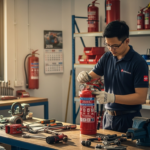
A serviced fire extinguisher is more likely to operate correctly during an emergency. Servicing does more than a visual check: trained technicians verify pressure, inspect seals, confirm charge levels, replace damaged parts, and update service records. For commercial properties and strata buildings, documented servicing supports regulatory compliance and insurance claims.
For easy on-site checks and best-practice tips on portable extinguishers, see this practical guide to portable fire extinguisher maintenance: portable fire extinguisher tips.
Basic servicing schedule and common requirements
While precise obligations vary by building type and tenancy, many Singapore facilities adopt these standard intervals:
- Monthly: visual checks by the responsible person on-site to confirm gauge reading, location, and accessibility.
- Annually: full servicing by a qualified technician for portable extinguishers, including internal inspection when required.
- 5-year or periodic: hydrostatic testing for certain cylinders (CO2, stored-pressure cylinders) or as specified by manufacturer and standards.
These are common guidelines; confirm your requirements based on building classification, insurer expectations, and manufacturer recommendations. For a comprehensive servicing checklist and regulatory pointers, consult this 2026 portable servicing guide: Singapore portable fire extinguisher servicing 2026 guide.
2026 pricing overview: typical Singapore ranges
Pricing in 2026 reflects labor, parts, regulatory paperwork, and new trends such as digital tagging and on-demand servicing. Below are ballpark ranges for Singapore — use them to budget and compare quotes. All prices are in SGD and are per unit unless indicated otherwise.
- Basic annual service (visual, pressure check, external inspection, service tag): S$30 to S$60
- Refill and recharge (small dry powder 1–2 kg): S$40 to S$90
- Refill and recharge (larger 6–9 kg powder or foam): S$80 to S$200
- CO2 cylinder check or refill: S$120 to S$260 (dependent on weight and service complexity)
- Hydrostatic testing (per cylinder, where applicable): S$80 to S$180
- Replacement valve, pressure gauge, or seal: S$20 to S$120 depending on part and extinguisher model
Example packages for common scenarios:
- Small shop: 3 x 2kg powder extinguishers, annual service + tags: S$120 to S$180 total.
- Office (10 units, mixed sizes): comprehensive annual servicing with electronic records: S$500 to S$1,200 (bulk discounts often apply).
- Condo common areas: servicing agreement with monthly checks and annual technician visits can be quoted as a contract price — price per unit tends to fall when serviced in a block contract.
For guidance on replacement and disposal costs and how to handle end-of-life extinguishers responsibly, visit: replacement and disposal 2026.
What affects the price
Several variables influence the final quote you receive:
- Extinguisher type and size: Larger or specialty agents (CO2, clean agents) attract higher servicing and refill costs.
- Condition and age: Older or corroded units may need parts or full replacement.
- Frequency and contract type: Annual ad-hoc servicing is pricier per visit than a block maintenance contract.
- Emergency or out-of-hours service: Urgent call-outs and after-hours visits cost more.
- Additional services: Hydro testing, repainting, mounting bracket replacement, and disposal increase the bill.
If you want a reliable supplier with clear pricing and compliance support, consider engaging an established provider: reliable fire extinguisher company.
New trends in 2026 that influence costs and value
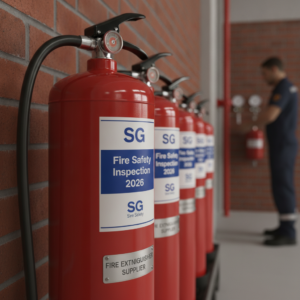
- Digital tagging and QR-enabled maintenance logs: Many vendors now attach QR tags that store service history and next due dates. This reduces paperwork and helps with audits.
- Cloud-based compliance platforms: Companies offer portals showing real-time compliance status across multiple sites — this adds value for multi-site operators.
- Predictive maintenance and IoT sensors: For high-risk sites, connected sensors monitor pressure and temperature and can trigger service events before failure — higher upfront, but reduces downtime risk.
- Sustainable disposal and recycling options: Disposal services that follow environmental best practices may be slightly costlier but reduce regulatory and reputational risk.
These innovations shift some costs from reactive repairs to proactive monitoring, often delivering long-term savings.
How to compare quotes and avoid hidden charges
When you collect quotes, compare like-for-like services. Ask for:
- Breakdown of labour, parts, certification, and disposal costs
- Whether the quote includes replacement parts like gauges or seals
- Details on hydrostatic testing fees and which units require it
- Turnaround time and emergency response options
Avoid quotes that look unusually cheap without documented scope — hidden charges often appear as after-service parts fees or certificates issued at additional cost.
Cost-saving strategies without compromising safety
- Consolidate servicing: Schedule a single annual service for all units to access bulk rates.
- Preventive care: Train staff to perform monthly checks; prompt reporting of damage prevents costly repairs.
- Maintain records: A tidy service history reduces disputes and helps with insurance claims.
- Choose modern, lower-maintenance agents where appropriate: Newer extinguisher designs can reduce refill and test frequency.
- Ask about service plans: Many companies offer fixed-price annual contracts that include parts up to a cap.
When replacement is the better option
Sometimes replacement is cheaper than repeated servicing — especially when units are very old, corroded, or repeatedly failing. Consider replacement when:
- The extinguisher fails hydrostatic testing
- Corrosion compromises structural integrity
- Spare parts are obsolete or expensive
- The cost of parts plus labour approaches the price of a new unit
For professional replacement and certified disposal guidance, consult this resource: replacement and disposal 2026.
Choosing a servicing partner: checklist
- Licensing and credentials: Confirm technicians are qualified for portable extinguisher servicing.
- Transparent pricing: Request itemised quotes and a service agreement.
- Turnaround times and emergency response: Understand SLAs for urgent needs.
- Reputation and references: Check reviews and ask for references from similar properties.
A recommended first step is to review supplier profiles and capabilities: find a reliable supplier here.
Final practical checklist for property managers and homeowners
- Schedule monthly visual checks and log them.
- Book annual servicing with a qualified firm, ideally early in the year to spread workload.
- Request quotes from at least three vendors and compare scopes, not just price.
- Consider digital tagging for easier audit trails.
- Keep an inventory with make, model, capacity, and last service date.
- Factor disposal and replacement into your budget — older units are often uneconomical to keep.
For a full servicing guide and compliance checklist tailored to Singapore in 2026, review this servicing guide: Singapore portable fire extinguisher servicing 2026 guide.
Conclusion
Fire extinguisher servicing in Singapore in 2026 remains a cost-effective safety investment. Understanding typical price ranges, the factors that affect costs, and emerging trends like digital tagging will help you make smarter decisions. Whether you manage a small retail outlet or a multi-site operation, prioritise documented servicing, compare transparent quotes, and choose a partner who balances compliance with competitive pricing. For hands-on tips and supplier resources, explore the linked guides above to plan your next servicing cycle with confidence.



No comment yet, add your voice below!