

Why 2026 matters for Singapore property owners
As building standards and digital technologies continue to evolve, 2026 is shaping up to be a year where practical safety meets smarter maintenance. For landlords, facility managers and small business owners in Singapore, two non-negotiables remain: keeping every fire extinguisher in serviceable condition and ensuring reliable fire alarm maintenance across the property.
This article consolidates regulations, current trends, inspection checklists and realistic servicing guidance for both portable firefighting equipment and alarm systems—so you can protect people, property and regulatory compliance.
The regulatory baseline and why compliance matters
Fire safety requirements for equipment and alarm systems are enforced to protect occupants and to limit business interruption. Non-compliance can lead to fines, enforced remediation or even operational suspensions for commercial premises.
Beyond penalties, good maintenance reduces liability and improves emergency response outcomes. Regular audits and clear records are often requested during building inspections or insurance claims—so disciplined upkeep pays back in risk reduction and lower premiums.
Core differences: fire extinguisher vs fire alarm maintenance
- Fire extinguisher maintenance focuses on portable hardware: visual condition, pressure, seals, recharge and disposal when expired.
- Fire alarm maintenance focuses on detection and notification systems: sensors, control panels, wiring, batteries and integration with monitoring services.
Both require scheduled checks, certified servicing and detailed records. For an in-depth, practical checklist tailored to Singapore properties, consult a specialist fire extinguisher maintenance checklist.
Monthly and routine checks you can do in-house
These quick checks reduce the risk of failure between professional visits:
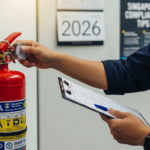
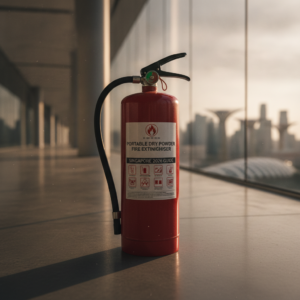
- Visual inspection of every fire extinguisher: signage visible, not blocked, no obvious damage or corrosion.
- Check pressure gauge (where fitted) is within the green zone and tamper seal intact.
- Ensure fire alarm control panel shows normal status; log any fault indicators.
- Test manual call points and ensure access is unobstructed.
- Replace used or low batteries in standby detectors and alarm panels.
- Keep a simple log—date, inspector name, issues found, corrective actions and receipts.
Documenting these simple actions helps when a licensed service technician performs the annual inspection.
What professional servicing includes
Certified technicians perform deeper checks and services that go beyond in-house tasks:
- Full functional testing of detection zones and notification circuits.
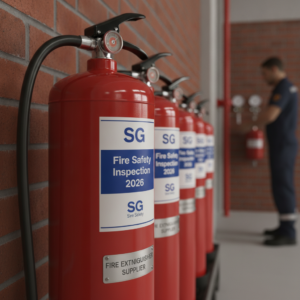
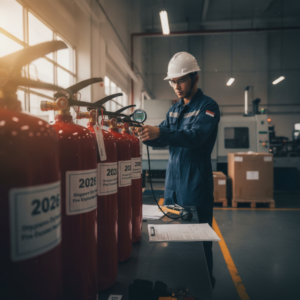
- Comprehensive inspection and servicing of each portable fire extinguisher: verification of charge, internal condition, hose/nozzle checks, recharging or replacing as needed.
- Hydrostatic or pressure testing where applicable (dependent on extinguisher type).
- Calibration, firmware updates and replacement of end-of-life detection heads for alarm systems.
- Issuance of a service certificate and updated maintenance log for compliance.
If you’re evaluating providers and pricing, a dedicated page on where to service portable fire extinguisher is a practical resource.
Common maintenance intervals (guidelines)
- Monthly: quick visual and panel status checks performed by on-site staff.
- Quarterly: more detailed alarm system tests (some buildings run smoke detector and zone tests quarterly).
- Annually: certified servicing for portable fire extinguishers and comprehensive fire alarm maintenance, including system checks and certification.
- Periodic pressure/hydrostatic testing: frequency depends on extinguisher type—check manufacturer guidance and certified service advice; many types require testing every few years.
Precise intervals depend on the manufacturer, equipment type and site usage.
Practical fire extinguisher checklist for onsite staff
- Location: Is the extinguisher at its assigned point and easy to reach?
- Signage: Is the sign present and legible?
- Physical condition: No dents, rust, or broken components.
- Safety seal and pin: Intact and untampered.
- Pressure gauge: Needle in green where applicable.
- Inspection tag: Date and signature of last service.
For disposal and end-of-life guidance, a clear recycling and disposal process helps you avoid hazardous waste issues—read more about proper fire extinguisher disposal.
Costs: what to expect for servicing and replacement
Pricing varies by type, size and required work (recharge, parts replacement, hydrostatic testing). Typical cost drivers include travel, number of units, and whether emergency or scheduled service is requested.
- Basic annual inspection and tagging: generally affordable per unit for basic dry chemical extinguishers.
- Recharge or refill: additional cost depending on chemical and cylinder size.
- Hydrostatic testing or major repairs: higher one-off fees.
For transparent local pricing breakdowns and comparisons, check a specialist page on fire extinguisher servicing pricing.
Trends shaping 2026: smarter systems and predictive maintenance
- IoT-enabled detectors and extinguishers: Remote dashboards can report battery status, pressure changes or alarm faults to facility managers in real time.
- Predictive maintenance: Machine-learning algorithms prioritise servicing based on usage patterns and sensor data—reducing unexpected failures.
- Integration with Building Management Systems (BMS): Fire alarm event data feeds directly into centralised building control for faster coordinated responses.
Adopting these technologies can raise upfront costs but lowers long-term operational risk and supports faster incident response.
Choosing a certified service provider in Singapore
When appointing a contractor look for:
- Relevant accreditation and a clear maintenance history in Singapore.
- Transparent pricing and clear warranties on parts and labour.
- Local presence for fast emergency response and a good track record.
If you’re unsure where to start, the guide on where to service portable fire extinguisher provides options and points to check.
Disposal and end-of-life handling
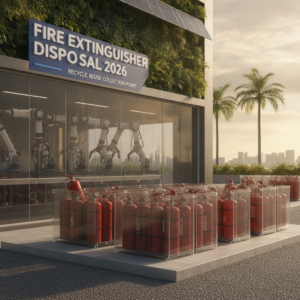
Expired or irreparably damaged extinguishers must be disposed of safely. Improper disposal risks environmental harm and regulatory breaches. Consider recycling programs that handle pressurised containers and chemical residues safely—more details are available in this disposal and recycling guide.
Avoid common maintenance mistakes
- Skipping monthly visual inspections—small issues grow into failures.
- Using uncertified technicians—this can void warranties and fail regulatory checks.
- Failing to log services and corrective actions—records are essential for audits and insurance.
- Delaying replacement of obsolete alarm heads—older detectors can underperform.
Building a simple compliance plan for 2026
- Inventory: Catalogue all extinguishers and alarm system components with locations and serial numbers.
- Schedule: Set calendar reminders for monthly, quarterly and annual actions.
- Choose providers: Pre-qualify 2–3 certified service vendors and get standing quotes.
- Adopt smarter monitoring where feasible: Start with critical zones like kitchens or plant rooms.
- Keep documentation: Maintain digital or physical logs of inspections, test results and service certificates.
For a step-by-step extinguisher checklist you can give to staff, use the practical fire extinguisher maintenance checklist.
Final considerations
Maintaining fire safety systems in 2026 means balancing regulatory compliance, practical inspection routines and selective technology upgrades. Whether you manage a HDB shop unit, an office tower or an industrial facility, clear processes and certified servicing protect people and keep operations running smoothly. Treat both fire extinguisher upkeep and fire alarm maintenance as ongoing risk-management activities rather than occasional chores—small investments in maintenance avoid large losses later.
Stay organised, pick reputable service partners and prioritise critical zones first for inspections and upgrades.

No comment yet, add your voice below!