

Why proper fire extinguisher disposal matters in Singapore
Fire extinguishers are lifesaving devices — but when they reach end-of-life they become a safety and environmental risk if handled incorrectly. Pressurised cylinders, chemical extinguishing agents (dry powder, foam, CO2, clean agents) and metal casings require specialist handling for safe decommissioning, recycling and legal compliance. For households, HDB flats and businesses in Singapore, knowing the right disposal route reduces accident risk, avoids regulatory penalties and helps recover recyclable materials responsibly.
Know the types: identify what you have before disposal
Different extinguisher types need different disposal routes:
- Dry powder (ABC) — common and contains sodium bicarbonate or ammonium phosphate powders. The powder can be messy and potentially contaminate drains if not disposed correctly.
- CO2 (carbon dioxide) — contains liquid CO2 under high pressure in steel cylinders; must be depressurised and handled as a gas cylinder.
- Foam and water — liquid agents that may require segregation from general waste.
- Clean agents (HFCs or alternatives) — may be subject to specific environmental controls; many Halon variants have been phased out internationally.
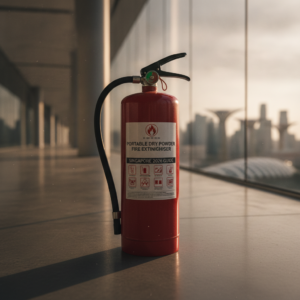
Before you act, check the extinguisher label for type, manufacturing date and whether it’s rechargeable (serviceable) or disposable (non-rechargeable). Rechargeable extinguishers are typically worth refilling; disposable types may need full cylinder processing.
Singapore regulations and safety standards to follow
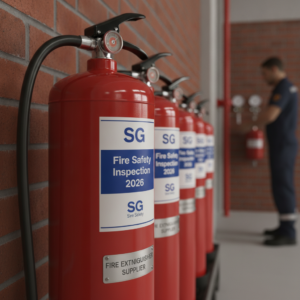
Portable fire extinguishers should be serviced regularly and tagged; expired or damaged cylinders should be removed from service and disposed of through authorised channels.
Step-by-step: how to prepare a fire extinguisher for disposal
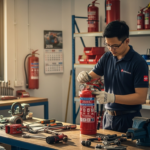
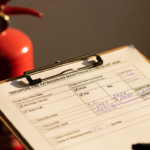
- Inspect and document: note the make, model, type and expiry/service date. Take photos for records.
- Isolate and label: tag the unit as “Removed from Service” so others do not attempt to use it.
- Do not attempt to puncture, burn, or open the cylinder yourself — pressurised containers and residual agents are hazardous.
- Contact a licensed fire safety company to arrange collection and safe decommissioning. A professional will depressurise cylinders, recover/neutralise agents and separate metal for recycling.
If you’re unsure where to get servicing or disposal, check local service listings or consult a guide on where to service portable fire extinguisher.
Recycling: what parts can be salvaged and how
Fire extinguishers contain recyclable metal (steel or aluminium casings, handles, valves) that can be reclaimed once the extinguisher is rendered safe. The powder, foam or liquid agents are treated as controlled waste — some agents can be neutralised while others must be recovered by authorised contractors. The typical recycling flow is:
- Safe de-pressurisation by trained personnel.
- Recovery or neutralisation of extinguishing agents.
- Removal and recycling of metal components with scrap metal recyclers.
Recycling reduces landfill, recovers valuable materials and supports circular-economy goals that Singapore increasingly emphasises in 2026.
Disposal options in Singapore: household vs business routes
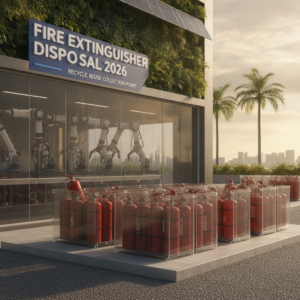
- Household (HDB/condo/landed): For single extinguishers, contact your estate management or a licensed contractor who offers home collection. Many fire safety firms provide pickup and replacement services for homeowners.
- Commercial properties: Businesses typically have scheduled servicing contracts. For end-of-life units, contractors will issue disposal documentation and replacement recommendations.
- Large volumes/industrial: Coordinate with licensed hazardous-waste handlers and your environmental compliance officer to document chain-of-custody.
If you need a trusted company for replacement and disposal, see this resource on replacement and disposal.
What to expect from a professional disposal service (costs and process)
A licensed contractor will:
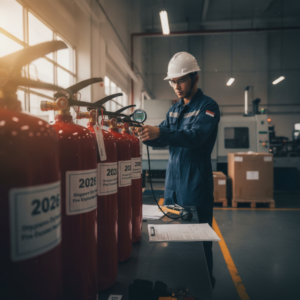
- Inspect the extinguisher and verify type and condition.
- Depressurise and recover or neutralise the agent safely.
- Remove or recycle metal components and provide a disposal certificate.
- Offer replacement options (refillable units, modern clean-agent systems) if required.
Costs vary by extinguisher type and whether pickup, decommissioning and replacement are bundled. For transparent pricing and service scope, consult published servicing rates; many providers outline costs online to help you compare: fire extinguisher servicing pricing.
Safety checklist while waiting for collection
- Store the extinguisher upright in a cool, dry area away from direct sunlight and heat sources.
- Keep the unit out of reach of children and clearly labelled “Do not use — awaiting disposal”.
- Do not store near open flames or areas with high pedestrian traffic to minimise accidental tampering.
- If the unit is leaking or corroded, isolate the area and avoid inhaling any dust or powders. Call your contractor for urgent collection.
Paperwork and compliance: what documentation you should receive
Licensed contractors should provide:
- A disposal or decommissioning certificate specifying the extinguisher serial, type and disposal date.
- Service records if the unit was inspected before disposal.
- Recommendations or receipts for replacement purchases or refilling services.
Businesses should keep these documents as proof of compliance for audits or building inspections.
Sustainable trends for fire safety in 2026
Singapore’s 2026 fire-safety landscape reflects two key trends:
- Sustainability-driven choices: Property managers and homeowners increasingly opt for refillable, low-global-warming-potential agents and units built for longer service lives to reduce waste.
- Digital records and tagging: QR-code based service records and centralised maintenance logs are becoming common, making it easier to track expiry, servicing and disposal history.
These trends mean better lifecycle management and easier compliance for building owners.
Common misconceptions and quick clarifications
- Myth: I can empty and throw the extinguisher in general waste. Fact: Never. Pressurised cylinders and extinguishing agents are hazardous and must be handled by professionals.
- Myth: All extinguishers are recyclable directly. Fact: Only metal components are recyclable after safe decommissioning; agents are treated separately.
- Myth: There’s no cost to dispose. Fact: Safe disposal and transport require trained personnel and equipment, so fees are common. Transparent, bundled options often provide best value.
Choosing the right service provider
Select a contractor who:
- Is licensed and able to issue disposal certificates.
- Offers clear pricing and scopes for pickup, decommissioning, recycling and replacement.
- Has experience with various extinguisher types and can advise on sustainable replacements.
For a reliable local company that handles servicing and disposal, consider checking a reputable provider listing here: reliable fire extinguisher Singapore fire safety company.
Final checklist before you dispose
- Confirm extinguisher type and expiry date.
- Tag and isolate the unit; do not puncture or burn.
- Schedule collection with a licensed service provider and get a disposal certificate.
- Consider replacing with a rechargeable or eco-friendlier model and keep digital service records.
If you want clear pricing, servicing intervals and nearby collection points, start by reviewing local servicing options and published pricing guides such as this pricing resource: servicing pricing.
Conclusion
Safe fire extinguisher disposal in Singapore in 2026 balances safety, regulatory compliance and environmental responsibility. Proper identification, isolation and working with a licensed contractor ensure pressurised cylinders and extinguishing agents are handled correctly and valuable metal is recycled. For practical next steps on servicing, replacement and authorised disposal options, consult local certified providers and information portals to complete the process efficiently and responsibly: where to service portable fire extinguisher.

No comment yet, add your voice below!