

Singapore’s built environment demands practical, reliable fire protection. For many sites — offices, shops, factories and HDB common areas — the dry powder fire extinguisher is a go-to choice because of its multi-class capability and affordability.
Why dry powder fire extinguishers are widely used in Singapore
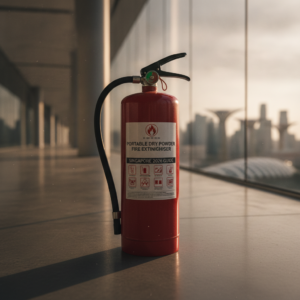
Dry powder fire extinguishers (often labeled ABC or BC) suppress flames by interrupting the chemical reaction of a fire. They are popular in Singapore because:
- They work on multiple fuel types — solids, flammable liquids and gases — making them versatile for mixed-use spaces.
- They tolerate heat and rough handling well, useful for industrial and outdoor settings.
- They’re cost-effective for businesses that need wide coverage.
However, their powder residue can be corrosive to sensitive equipment and messy to clean after use, so placement and usage planning matter.
The regulatory context: expectations and local best practice
Occupiers are expected to perform routine visual checks, while licensed technicians carry out scheduled servicing and maintenance.
Staying on top of your inspection schedule reduces liability and ensures extinguishers are functional when emergencies occur.
What a comprehensive fire safety inspection covers
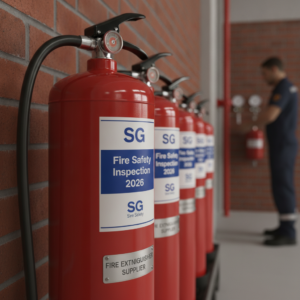
A properly conducted fire safety inspection for dry powder fire extinguishers includes three levels of checks:
- Daily or weekly visual checks by facility staff: location, obvious damage, accessibility, tamper seals intact, pressure gauge in range.
- Monthly formal checks by designated responsible persons: mountings secure, signage visible, no blockages, cylinder corrosion or dents.
- Annual servicing and maintenance by a licensed contractor: internal examination (where applicable), recharging, parts replacement, and test records.
Inspectors also look for compatibility with the protected hazards, correct sizing and quantity per space, and that extinguishers are not expired or past recommended service intervals.
Dry powder fire extinguisher inspection checklist (practical)
Use this practical checklist during routine fire safety inspection rounds.
- Location and accessibility: extinguisher visible, unobstructed, installed at correct height.
- Labeling and signage: clear operating instructions and hazard classification visible.
- Pressure gauge and indicator: needle in green (or manufacturer-recommended range); if no gauge, check weight vs nominal.
- Cylinder condition: no severe dents, bulges, corrosion, or evidence of heat damage.
- Hose/nozzle and coupling: clean, unobstructed, securely attached, and not brittle.
- Safety pin and tamper seal: present and intact.
- Mounting bracket: secure and corrosion-free.
- Service tag: last maintenance date, next inspection due, technician’s stamp and signature.
- Weight check: verify approximate full weight; large weight variance can indicate leakage.
- Special notes for powder extinguishers: check for caking or compaction of powder, which can impede discharge — this may warrant replacement or specialist servicing.
Document every inspection.
Common defects and corrective actions
- Low pressure or gauge out of range: arrange recharging or replacement immediately.
- Caked powder: a licensed technician may be able to service and replace internal parts; if powder condition is poor, replace the unit.
- Missing or illegible labels: replace labels and ensure operating instructions are clear in the local languages as required.
- Tamper seals missing: investigate tampering, reseal after service, and record incident.
Timely corrective work prevents escalation from minor faults to non-compliance or failed performance in an emergency.
Maintenance intervals and recordkeeping
Best practice in Singapore is a combination of occupant checks and scheduled professional servicing. While specifics can depend on manufacturer guidance and site risk, generally:
- Visual inspections: daily to monthly by trained staff.
- Annual maintenance: full service by a licensed contractor, including recharging and functional checks.
Keep digital maintenance logs and scanned service tags. Many facilities now add QR-coded inspection tags to extinguishers so staff can scan, log checks, and upload photos instantly.
For guidance on selecting reputable servicing providers, compare credentials and read up on leading local options such as top fire extinguisher supplier and servicing.
Trends shaping inspections in 2026
Several trends are improving the quality and traceability of fire safety inspection work in Singapore:
- Digital inspection platforms: mobile apps replace paper records, speed audits and flag overdue services.
- QR tags and NFC: immediate access to service history at the extinguisher location.
- IoT-enabled sensors: pressure and status sensors that send alerts to maintenance teams (adoption growing in high-value facilities).
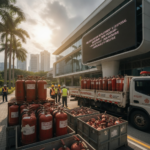
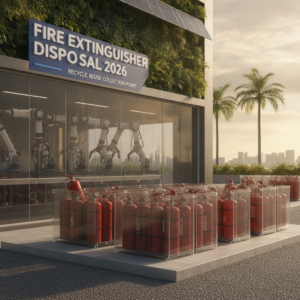
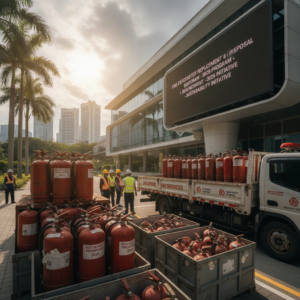
- Eco-conscious disposal and refill services: service providers now offer managed replacement and safe disposal to reduce environmental impact — see specialist advice on extinguisher replacement and disposal.
These trends help facilities meet tighter compliance expectations while reducing administrative burdens.
Choosing the right supplier and service partner
Selecting a qualified supplier or service partner matters. Look for:
- Certification of technicians and visible service records.
- Clear pricing for inspection, recharging, hydrostatic testing, and disposal.
- A robust digital record system and warranty on replaced parts.
For facilities planning larger-scale upgrades, review offerings from trusted providers that cover servicing, supply and disposal options.
Integrating extinguisher inspections into a broader fire safety program
Fire extinguisher inspection is one part of an integrated fire safety strategy. Coordinate inspection schedules with your building’s fire alarm, detection and emergency lighting maintenance. An integrated approach reduces the chance of missed audits and improves overall resilience.
Practical steps for facility managers in Singapore (quick action list)
- Assign responsibility for daily or weekly visual checks to a named staff member.
- Use a simple inspection log template and move to digital QR-tag scanning where possible.
- Schedule annual servicing with a licensed contractor and confirm service items in writing.
- Replace units with physical damage, severe corrosion, or compromised powder condition.
- Keep a small on-site spare of common extinguisher types for rapid replacement.
- Train occupants in safe use and limitations of dry powder extinguishers (don’t use on sensitive electronics if alternatives exist).
- Plan for end-of-life responsibly and consult a professional for disposal solutions, including safe replacement and disposal.
Final note: proactive inspection prevents crises
Regular, documented fire safety inspection and maintenance of dry powder fire extinguishers protects people, property and business continuity. In Singapore’s regulatory environment, combining simple daily checks with annual professional servicing and clear recordkeeping will keep you compliant and ready. When in doubt, consult licensed technicians and trusted suppliers to confirm inspection intervals, replacement criteria and safe disposal options.
Reliable partners make compliance simpler and safer for all building occupants.

No comment yet, add your voice below!