

Introduction: Why the right fire extinguisher supplier matters in 2026
Fire safety in Singapore continues to be a high priority for businesses, property managers and homeowners. Choosing a reliable fire extinguisher supplier and a servicing partner isn’t just a purchase — it’s an investment in compliance, workplace safety and peace of mind. This guide helps you evaluate suppliers, understand servicing needs, and stay compliant with local expectations.
Understanding types of fire extinguishers and where they’re used
Not every fire extinguisher is suitable for every hazard. A reputable fire extinguisher supplier will assess risks and recommend the right class and size:
– Water (Class A) — for ordinary combustible materials like paper and wood.
– Foam (A & B) — for flammable liquids and solids; common in kitchens and workshops.
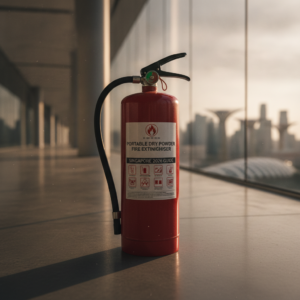
– Dry Powder (ABC) — versatile but requires careful disposal; often used in industrial settings. Read practical disposal tips for dry powder units before replacement.
– CO2 (B & electrical) — ideal for electrical fires and server rooms.
– Clean agents (e.g., HFC alternatives) — used in sensitive environments where residue is a concern.
A professional supplier will not only provide the correct fire extinguisher but also advise on placement, mounting, and the correct number of units for a space.
What to expect from a top fire extinguisher supplier
Suppliers that offer clear, auditable records reduce risk during inspections.
Servicing: what maintenance should include
Regular servicing keeps extinguishers ready to operate and ensures compliance with local standards:
– Monthly visual checks by the premises owner or appointed staff.
– Annual inspections and maintenance by certified technicians.
– Five‑year or hydrostatic testing schedules for certain cylinder types.
– Recharge or replacement after any discharge or failed test.
– Clear tagging and digital log entry after each service visit.
A trustworthy servicing partner will train your staff in basic checks and maintain a digital service history so you can demonstrate compliance quickly during audits.
Choosing between replacement and repair
When an extinguisher fails inspection, suppliers will advise repair, recharge or replacement. Key considerations:
– Age of the unit — older models may no longer meet current standards.
– Type of damage — dents, corrosion or a failed hydrostatic test often mean replacement.
– Cost and availability of compatible parts.
– Environmental and safety concerns with older agents.
If a unit contains obsolete or harmful agents, responsible suppliers will recommend safe replacement and guide disposal in line with local best practices.
Compliance and documentation in Singapore
Maintaining proper documentation is as important as the physical equipment.
During inspections, accessible, well‑kept records often prevent enforcement notices and help demonstrate that you followed professional maintenance schedules.
Trending features in 2026: digital & sustainable fire safety
The fire safety industry is evolving. Leading suppliers in 2026 offer innovations that add value:
– IoT-enabled tags and QR codes to scan and access service history instantly.
– Cloud‑based maintenance logs and automated reminders for inspections.
– Eco‑friendly extinguishing agents that reduce environmental impact.
– Lightweight alloys and compact designs for easier handling.
When evaluating suppliers, ask about their digital tools and sustainability initiatives — these are becoming standard expectations rather than optional extras.
How to evaluate fire extinguisher suppliers: a checklist
Use this practical checklist when vetting suppliers:
1. 2. Request a sample service report and a demo of digital records. 3. Confirm availability of replacement parts and response times for emergency servicing. 4. Check disposal procedures for obsolete or discharged units. 5. Seek client references from similar property types.
A supplier that scores well on these points will likely provide fewer headaches and better long‑term value.
Common mistakes to avoid
Even well‑intentioned property managers make avoidable errors:
– Choosing the cheapest unit without checking certification.
– Neglecting routine monthly visual checks.
– Failing to keep service records in an accessible format.
– Ignoring supplier recommendations for replacement after a failed test.
Avoiding these mistakes reduces liability and keeps occupants safe.
Disposal and replacement: safe practices
Disposing of or replacing extinguishers requires care, especially dry powder and older halon or HFC devices.
Proper disposal is not only regulatory best practice but also an environmental responsibility. If your facility uses dry powder units, follow specialist disposal tips to minimise contamination and hazard.
Cost considerations and value-for-money
Cost is an important factor, but the cheapest quote isn’t always best. Consider total cost of ownership:
– Product lifespan and warranty.
– Frequency and cost of servicing.
– Availability of prompt emergency support.
– Added value: training sessions, digital logs, and compliance help.
A supplier who offers transparent pricing and bundles servicing with installation often delivers better long‑term savings.
Working with your supplier: best practices
To get the most from your relationship:
– Schedule a site risk assessment before purchase.
– Keep an up‑to‑date map of extinguisher locations for quick reference.
– Train staff on basic operation and monthly checks.
– Request digital reminders so inspections never lapse.
A collaborative approach ensures the equipment supplied meets real operational needs.
Quick reference: local resources and further reading
Conclusion: making a confident choice in 2026
Prioritise suppliers who provide certified products, clear documentation, digital servicing records and responsible disposal options. These factors reduce risk, keep occupants safe and simplify compliance.
Investing in the right supplier now pays dividends in safety, compliance and long‑term cost control.
TUV SUD PSB approved fire extinguisher supplier
Fire extinguisher replacement guidance




No comment yet, add your voice below!