

Why replacement and disposal matter in Singapore
Fire extinguishers protect lives and property, but like any safety equipment they are not permanent. For businesses and residents in Singapore, understanding when an extinguisher must be replaced — and how to dispose of end-of-life units correctly — is essential to meet regulations and maintain effective fire safety.
Types of extinguishers and how that affects replacement and disposal
Not all extinguishers behave the same. Common types in Singapore include dry powder (ABC), water, foam, CO2 and wet chemical units. Each type has different lifespan markers and disposal requirements:
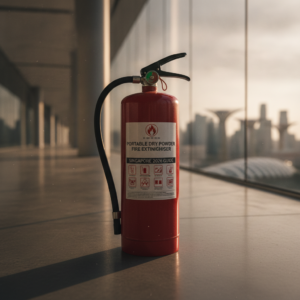
- Dry powder (ABC): Popular for mixed-class fires; powder can deteriorate or agglomerate, and cylinders require special handling for disposal.
- CO2: High-pressure cylinders that must be depressurised and handled by certified technicians for disposal.
- Foam and wet chemical: May contain residues that need treatment before cylinder recycling.
Knowing the type of extinguisher on-site informs the replacement schedule and the correct disposal pathway.
When to replace a fire extinguisher
Replace an extinguisher when any of the following apply:
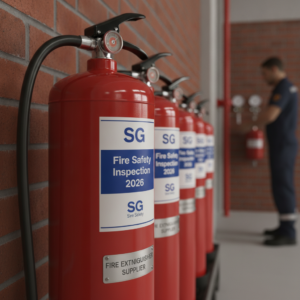
- Failed inspection or servicing: Annual servicing should be conducted by a certified technician. Fail results typically require replacement or certified repair.
- Physical damage: Corroded, dented, or leaking cylinders are unsafe and must be taken out of service.
- Pressure issues: A gauge in the red zone or persistent pressure loss needs prompt action — often replacement.
- Expiry or end-of-service life: Some extinguishers reach a manufacturer-recommended lifespan or fail hydrostatic testing and must be replaced.
- Unsuitable type: If the extinguisher class no longer matches the hazard (e.g., using water near electrical equipment), swap for the correct class.
For businesses, keeping accurate service logs and tags ensures replacements happen before a safety gap opens.
The replacement process — practical steps
- Inspect and confirm: Use monthly visual checks and review the last service tag. If unsure, arrange a service.
- (Find reputable options via specialist supplier resources.)
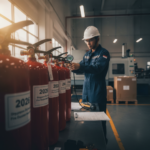
- Remove and tag out-of-service units: Clearly label units removed from service and separate them from active equipment.
- Install the replacement: Position, mount, and signpost new extinguishers to comply with accessibility and signage standards.
- Update records: Record replacement dates, serial numbers and servicing certificates in your maintenance log.
Safe disposal: why you can’t just toss extinguishers in the bin
Extinguishers are not general waste. Cylinders contain chemical agents or high-pressure gases and often have metal components that require specialist handling. Improper disposal can cause:
- Environmental contamination from residual extinguishing agents
- Injury or fire if pressurised cylinders are punctured or crushed
- Regulatory penalties for illegal disposal
Responsible disposal protects people, property and the environment.
How to dispose of common extinguisher types safely
- Dry powder: Often managed as industrial/chemical waste. Powder residue should be contained; cylinders need to be fully emptied and rendered safe by a licensed contractor. Many suppliers accept or arrange safe disposal. For practical disposal tips specific to dry powder units, consult expert disposal resources.
- CO2: Must be depressurised and certified as safe before recycling. Only trained personnel should handle these cylinders.
- Foam, water, wet chemical: Residues may require neutralisation. Cylinders can often be recycled as scrap metal once emptied and cleaned.
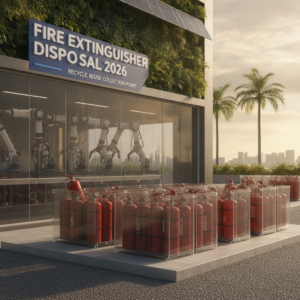
Always use authorised waste collectors or supplier disposal services; they provide certification to prove legally compliant disposal.
Regulatory and compliance notes for Singapore
Singapore enforces strict fire safety regimes. Building owners and managers are expected to maintain their firefighting equipment in working order and keep servicing records. Regular servicing by certified technicians and proper disposal of end-of-life units demonstrate compliance and support audit trails.
Choosing a supplier or disposal partner — what to look for
When selecting a supplier or disposal contractor, consider:
- Clear breakdown of services (inspection, servicing, replacement, disposal)
- On-site service capabilities and emergency response times
- Certified disposal processes and documentation
- Transparent pricing and warranty terms
Suppliers who offer integrated services — from servicing to safe disposal — simplify compliance and can reduce administrative work.
Costs and practical timelines
Replacement costs vary by type and capacity; installation and signage add to the total. Disposal fees depend on the extinguisher type and whether collection or on-site rendering is required. Typical timelines:
- Routine replacement after annual service: same-day to a few days depending on supplier stock
- Emergency replacement (failed in inspection): often same-day if supplier carries inventory
- Scheduled disposal and cylinder recycling: may require booking with a licensed contractor and take a few days to a week
Budgeting for periodic replacement and disposal as part of your annual safety spend avoids surprise costs.
Recordkeeping and documentation (don’t skip this)
Good records prove compliance and make audits easier. Keep:
- Service tags and invoices
- Disposal certificates or manifests from the waste contractor
- Inventory lists showing locations, types and serial numbers
- Replacement dates and reasons for replacement
Digital logs and cloud storage are trending, enabling dashboards for multi-site asset management and automated reminders for servicing and replacement.
2026 trends to watch in fire extinguisher replacement and disposal
- Digital inspection and IoT: Smart tags and mobile inspection apps speed up monthly checks and automate reminders for replacement.
- Integrated supplier services: One-stop providers that handle servicing, replacement and certified disposal are increasingly popular for busy facilities.
- Environmental focus: Greater scrutiny of disposal pathways and a push toward recyclability of cylinders and safer neutralisation of residues.
- Training and certification emphasis: Regular competency training for in-house personnel and contractor verification remains critical.
Staying aware of these trends helps organisations plan budgets and select partners that align with future-proof practices.
Practical checklist: Replace or dispose? Quick decision guide
- Is the gauge in the green and the cylinder undamaged? If yes, keep and service.
- Has the extinguisher failed its annual service or hydrostatic test? Replace or repair as certified.
- Is the extinguisher past its recommended service life or corroded? Dispose and replace.
- Does the extinguisher type match the hazard? If not, replace with the correct class and dispose of the old one properly.
- Has the unit been used? After any discharge, arrange for a qualified technician to inspect and either recharge or replace it.
Where to get help in Singapore
Certified suppliers and contractors can handle inspection, replacement and certified disposal. When engaging a partner, ask for proof of accreditation, service records, and disposal documentation.
- For supplier and servicing options, consult recognised supplier listings.
- For dry powder disposal tips, review specialist disposal guidance.
(Links above point to trusted local resources and supplier guidance to help you find certified technicians and responsible disposal services.)
Final notes
Replacing and disposing of fire extinguishers correctly is a non-negotiable part of fire safety in Singapore. Timely replacement, certified servicing and responsible disposal protect occupants, limit liability and support environmental care. Treat extinguisher lifecycle management as an ongoing programme: inspect monthly, service annually, dispose responsibly, and keep clear records to demonstrate compliance and readiness.
By planning replacement cycles, using accredited suppliers, and following proper disposal procedures, building owners and facilities managers can keep fire protection effective and compliant without last-minute surprises.


No comment yet, add your voice below!